

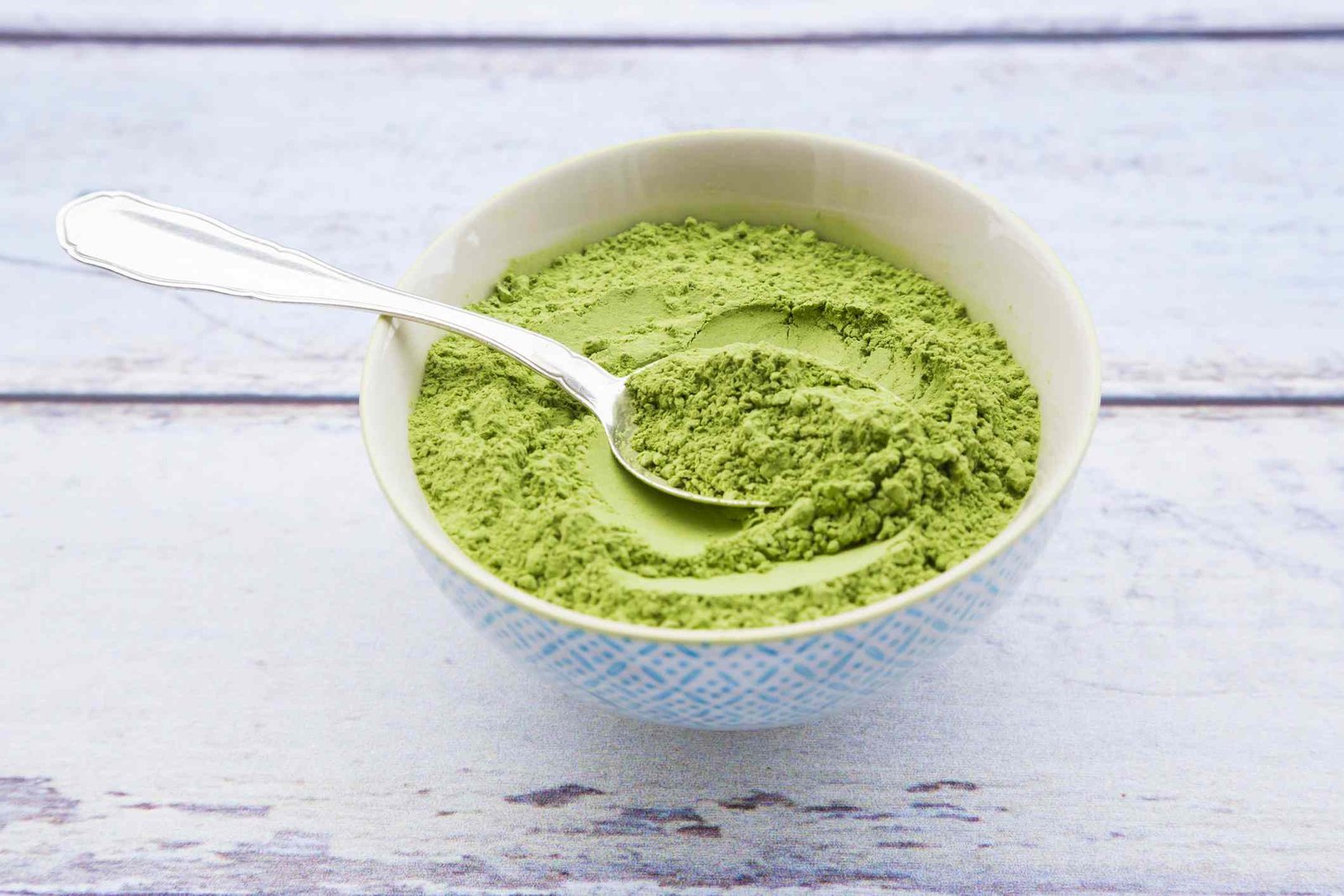
Chlorella is a single-celled green algae that lives in freshwater. Chlorellaceae family. It occurs naturally in aquatic environments and is mass-produced as a dietary supplement through large-scale cultivation methods.
Taking chlorella supplements has been shown to improve certain aspects of health, such as reducing low-density lipoprotein (LDL) cholesterol and high blood pressure, and strengthening the body’s antioxidant defenses.
Certain health conditions, such as elevated blood lipid (fat) levels and high blood pressure, can significantly increase your risk of developing heart disease. Heart disease is currently the number one cause of death worldwide. Taking steps to reduce your risk factors for heart disease through diet and lifestyle can help protect your heart health in the long term.
Research has shown that taking certain dietary supplements like chlorella can effectively lower risk factors for heart disease, such as high blood pressure and high cholesterol.
A review of 19 studies involving 797 people found that taking chlorella supplements at doses of more than 4 grams (g) per day for at least eight weeks significantly reduced LDL cholesterol, total cholesterol, and systolic and diastolic blood pressure in people with no pre-existing health conditions and in people with high blood pressure and cholesterol levels.
The review also found that chlorella supplements can effectively lower fasting blood sugar levels and may also have heart health benefits.
Chlorella may reduce risk factors for heart disease through several mechanisms. For example, it contains the amino acid arginine, which is needed to produce nitric oxide (NO), a molecule that widens blood vessels to increase blood flow and better regulate blood pressure.
Algae also contains substances that reduce cholesterol absorption in the digestive system, increase cholesterol excretion from the body, and reduce LDL cholesterol, all of which promote healthy blood lipid levels.
Chlorella is rich in antioxidant compounds and is an excellent source of plant pigments called carotenoids.
Carotenoids such as lutein, beta-carotene, and zeaxanthin, which are concentrated in Chlorella, have powerful cytoprotective properties. High blood levels of these compounds may support overall health and protect against the development of several health conditions, including breast cancer and age-related macular degeneration (ARMD), an eye disease that is currently the leading cause of vision loss in older adults.
A small study in 11 people with no pre-existing medical conditions found that a single 6-g serving of chlorella significantly increased blood levels of the carotenoids beta-carotene, lutein, and zeaxanthin for three days after consumption.
This suggests that taking chlorella supplements may be an effective way to boost the body’s antioxidant defenses, at least temporarily.
Chlorella is a plant-based source of several nutrients, including iron, that are lacking in many people’s diets.
Iron is a mineral involved in cell function, growth, and hormone production. It is needed to make hemoglobin, the protein that carries oxygen throughout the body. Iron deficiency is very common, especially in people who were assigned female at birth.
Two teaspoons (tsp) of chlorella powder contains 12 milligrams (mg) of iron, which is 67% of your daily need. Research has shown that chlorella may effectively boost iron levels in people with iron deficiencies, such as pregnant women.
Chlorella is particularly beneficial for people following a plant-based diet, such as vegans, as it contains no animal-derived ingredients and is rich in a variety of nutrients, such as iron, that are often lacking in vegan diets.
Chlorella is rich in iron, as well as folate, vitamin A, and vitamin C, all of which play important roles in your health. Chlorella also contains omega-3 fats, which have powerful anti-inflammatory and cardioprotective properties.
Some evidence suggests that chlorella supplements may benefit athletic performance by improving oxygen uptake and muscle endurance. Chlorella widens blood vessels, enhancing blood flow and oxygen delivery to muscles during intense exercise.
A small study in 20 adults with no pre-existing medical conditions found that supplementing with 6 grams of chlorella for two days increased maximum oxygen pulse during exercise, or the amount of oxygen consumed with each heart beat. It also reduced maximum blood lactate levels during exercise compared to a placebo. Maximum blood lactate levels are used to measure endurance during exercise.
These findings suggest that taking chlorella supplements may be a natural way to enhance performance during physical activity, although larger studies are needed to confirm this potential benefit.
Chlorella is available in a variety of forms, including powder, liquid, and tablets.
Chlorella can be taken as a single supplement or as a combination supplement. This algae is a common ingredient in products such as greens powders that contain other microalgae such as spirulina and green vegetables such as kale and spinach.
Dose
Dosages for chlorella vary, but most studies use doses of 3-10 g daily for 2-3 months. Depending on the supplement, chlorella may be taken in one dose or in divided doses.
Dosage will vary depending on the product you supplement with and your health goals, so we recommend consulting a trusted healthcare provider if you have specific questions about chlorella dosage.
When taken as a supplement in appropriate amounts, chlorella is generally considered safe for most people.
However, chlorella supplements are not safe for everyone. For example, taking improperly processed chlorella supplements can lead to the growth of pathogenic bacteria in people with weakened immune systems.
Chlorella has also been shown to have immune-stimulating effects and may be unsafe for people with autoimmune diseases such as lupus.
Also, chlorella supplements may contain iodine, which may cause allergic reactions in people who are sensitive to iodine.
Potential Drug Interactions
Chlorella may interact with certain medicines, including:
- Photosensitizing drugs: Chlorella may make the skin more sensitive to the effects of sunlight. Taking chlorella with other photosensitizing medications may increase this effect.
- Blood sugar lowering drugs: Chlorella may lower blood sugar (sugar) levels and increase the effectiveness of antidiabetic drugs.
- Blood thinners: Chlorella is rich in vitamin K, which may reduce the effects of blood-thinning medications such as Coumadin (warfarin).
If you are taking one or more medications, check with your healthcare provider before taking chlorella supplements.
What to look for
Chlorella supplements are available for purchase online and at grocery and health food stores.
Because the U.S. Food and Drug Administration (FDA) minimally regulates supplements, experts recommend buying dietary supplements from companies that adhere to strict safety and quality standards.
If possible, choose a chlorella supplement from a company that uses a third-party laboratory to test the quality and purity of their product. Some chlorella supplements are third-party tested for contaminants, such as mercury and other heavy metals, that tend to accumulate in microalgae.
Choosing supplements that are certified by organizations like the United States Pharmacopeia or NSF International increases the chances of purchasing a safe, high-quality supplement.
Chlorella is often combined with other ingredients in supplement products, such as greens powders. Be sure to read the ingredients label carefully to be sure the supplement is safe and appropriate for your health needs.
Can you take too much chlorella?
It is currently unknown whether consuming large amounts of chlorella is harmful to your health.
Chlorella is considered safe when taken in amounts up to 15 g per day, although potential side effects can be avoided by taking a lower dose.
Although chlorella is generally well tolerated, it can cause some side effects. The most common side effects associated with taking chlorella supplements include:
- abdominal pain
- constipation
- diarrhea
- Malaise
- Flatulence (gas)
- Photosensitivity
- Discolored stool
Although rare, chlorella can cause more serious side effects, including anaphylaxis, a life-threatening allergic reaction.
Chlorella is a freshwater green algae that is often taken as a dietary supplement.
Chlorella supplements have been linked to several health benefits, including improving heart disease risk factors and increasing blood levels of certain antioxidants and minerals.
While chlorella is generally safe, it may not be suitable for everyone, so check with your healthcare provider before taking a chlorella supplement, especially if you are currently taking one or more prescribed medications or have a health condition.
