

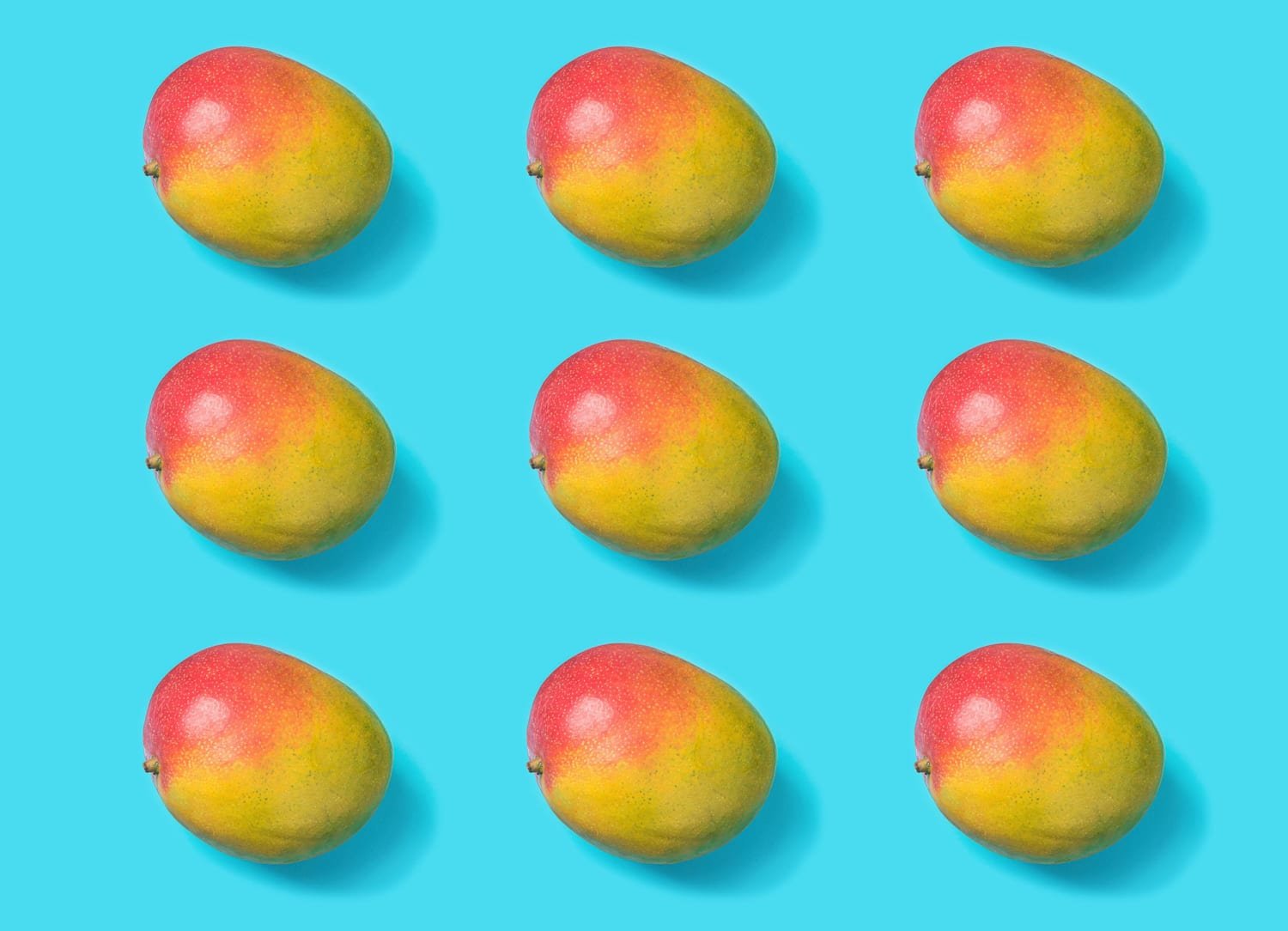
Mangoes are highly popular, nutritious and widely consumed around the world, hence they are called the “king of fruits”.
The sweet, juicy, bright yellow flesh is delicious eaten raw, as nectar, in juice, in smoothies or as a dried snack.
Every bite also provides important vitamins, nutrients and a key type of fiber, says Sarah Rivenburg, R.D., a registered dietitian specializing in oncology nutrition at OhioHealth.
“One of the things I love about mangoes is that they’re high in soluble fiber. A lot of fruits have fiber, but mangoes specifically have soluble fiber, which is great because it forms a gel in your digestive tract,” Rivenburg told TODAY.com.
“It binds fats and cholesterol so they can be removed from the body before they are absorbed into the bloodstream.”
Registered dietitian Samantha Cassetti includes mangoes in her top 15 healthiest fruits because of the carotenoid compounds that give them their golden color and provide health benefits.
Famous fans include actor Kevin Bacon, who likes to start his day with the spicy “Morning Mango.”
Mango Nutrition:
According to the United States Department of Agriculture, one cup of cut mango contains the following nutrients:
- 99 calories
- 1.3 g Protein
- 25 g Carbohydrate
- 2.6 g dietary fiber
- 22 grams sugar
This fruit contains no cholesterol and very little fat, and contains calcium, iron, copper, magnesium, potassium, folate and lycopene.
One cup of mango contains 67 percent of your daily recommended intake of vitamin C. This essential nutrient and antioxidant can’t be produced by the body, but it’s important for collagen production, a key component of skin health, and for its role in supporting the immune system, nutritionists previously told TODAY.com.
Plus, one cup of mango contains 10 percent of your daily vitamin A and vitamin E needs, says Rivenburg.
What are the benefits of eating mangoes?
The soluble fiber in mangoes forms a gel in the digestive tract that helps lower cholesterol, promotes gut health and regularity, and has anti-diabetic properties, Rivenburg says.
“It helps flush waste from the body and can also help relieve constipation,” she says.
“If the fiber content is high, your body will digest it a little slower, so you might not see as much of a blood sugar spike.”
Fiber also helps you feel fuller for longer, which can help you avoid overeating and aid in weight loss, which in turn can lead to a healthier weight and reduced risk of diabetes, cancer, and heart disease, adds Rivenburg.
Women who eat a diet high in fiber may have a lower risk of breast cancer, according to a 2020 research review.
Mangoes are a good source of carotenoids, the pigments that give fruits and vegetables their red, yellow, and orange colors and act as antioxidants. A study published in the American Journal of Clinical Nutrition found that women who consumed more fruits and vegetables rich in carotenoids had a reduced risk of breast cancer.
Cassetti points out that two carotenoids found in mangoes, lutein and zeaxanthin, may also help improve eyesight.
The fruit is a rich source of powerful antioxidants found in plants known as polyphenols, one of which, mangiferin, is found only in mangoes, Rivenburg added.
Antioxidants help neutralize damage caused by free radicals — harmful particles produced during normal processes that keep us alive. This damage can lead to inflammation and increase the risk of cancer and other diseases, according to the National Cancer Institute, but antioxidants can protect cells from it.
Mangiferin has been proposed to have anti-cancer effects, but there aren’t enough human studies to say for sure, Rivenburg said.
She also likes that mangoes are a great source of potassium.
“For Americans, this is really important because we tend to eat too much sodium and not enough potassium, which contributes to high blood pressure,” Rivenburg points out.
“If you can reduce the sodium in your diet and eat more potassium-rich foods like mangoes, it can help lower your blood pressure.”
The American Heart Association calls mangoes a “nutrition hero,” saying the potassium, fiber and other nutrients in them can help reduce the risk of heart disease.
What’s the best way to eat a mango?
They’re great fresh and can be enjoyed in so many ways, whether that’s on their own, in a salsa, or even added to a yogurt parfait, advises Livenburg.
Cooking foods that contain carotenoids makes them more available and absorbed by the body, so Rivenburg suggests trying recipes that involve cooking mangoes.
If you like dried mango, check the ingredients list to make sure there’s no added sugar.
“I always say that the way I like to eat it (mango) is the best way to eat it because you can eat more of it that way,” Rivenburg points out.
