

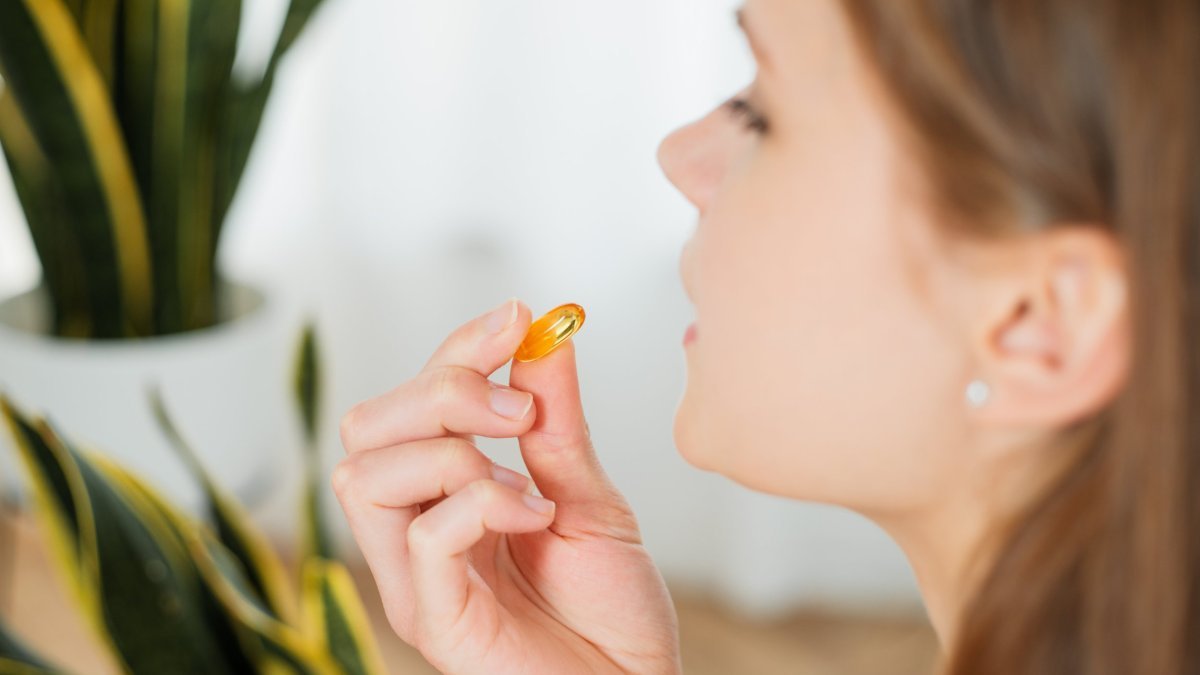
For many of us, a multivitamin is basic insurance. This isn’t surprising, given how heavily multivitamins are promoted, from kid-friendly “gummy” versions with cartoon ads to menopause-friendly multivitamins. Taking a daily supplement that contains all the essential vitamins and minerals is an easy way to feel like you’re taking care of yourself. In fact, nearly half of the population takes a multivitamin or dietary supplement.
But how useful are multivitamins actually?
A large new US study analysing the health records of almost 400,000 adults has found that multivitamins have no effect on extending life expectancy and may even slightly increase the chance of death.The idea that multivitamins aren’t actually that beneficial has been repeatedly tested.
The largest randomized clinical trial study to date (the gold standard for research quality) was published in 2012 and found that multivitamins offer no protective effect against heart disease or cognitive decline, although they may slightly reduce the risk of cancer and cataracts.
So, should we care?
I We asked various health experts why do not Who’s taking multivitamins and what are they doing instead?
—
“Multivitamins may provide a false sense of security”
Dr Laurence Cunningham, General Practitioner, Medical Specialist UK Care Guide
“I don’t take vitamins myself. Like most GPs, I recognise that a balanced diet provides all the vitamins and minerals we need for good health. The body is very good at absorbing nutrients from whole foods, which also provide benefits such as fibre and a range of bioactive compounds that supplements can’t replicate.”
“In my experience, relying too heavily on multivitamins can lead to a false sense of security, with some people thinking the supplements will make up for nutritional deficiencies and leading them to make poor dietary choices.
For me, the quality and regulation of multivitamin products is also a concern: the supplement industry is not as heavily regulated as pharmaceuticals, so the potency and purity of these products can vary widely.
“They may contain ingredients that may interact adversely with prescription medications or worsen existing health conditions. Having seen patients who have experienced side effects or no noticeable benefit from multivitamins, I always recommend focusing on a nutritious diet as the primary source of vitamins and minerals.”
“I would rather take a vitamin D supplement than a multivitamin.”
Nicola Ludlum-Raine, Nutritionist
“When I remember, I take a multivitamin, but that’s mainly because of the 10mcg of Vitamin D it has. I take a Vitamin D supplement rather than a multivitamin, but honestly it depends on what I have at home. I work full time so I don’t get to see the sun as much as I’d like!”
“I eat a pretty healthy, balanced diet and know that I get my recommended nutritional intake of vitamins and minerals in a week. For example, just a handful of berries provides all the vitamin C I need for the day.”
“When I’m feeling sick, I try to take high doses of vitamin C, as there is evidence that it can help shorten the duration of cold symptoms. If I need to take antibiotics, I also take a probiotic, such as Optivac.”
“They often contain trace amounts of nutrients.”
Talia Pellegrini, Registered Dietitian
“I don’t take multivitamins because they often contain many nutrients in small amounts. Food first is always the way to go. I try to focus both myself and my clients on ways to increase the nutrients they get from their diet.”
“If your blood tests show deficiencies in vitamin B12, vitamin D, iron, etc., I recommend taking those nutrients as supplements. There are complexes out there that are very useful, such as vitamin D and K2, iron and vitamin C, and B complex vitamins, because some vitamins work synergistically with others. I tend to take more of each nutrient I think I might need.”
