

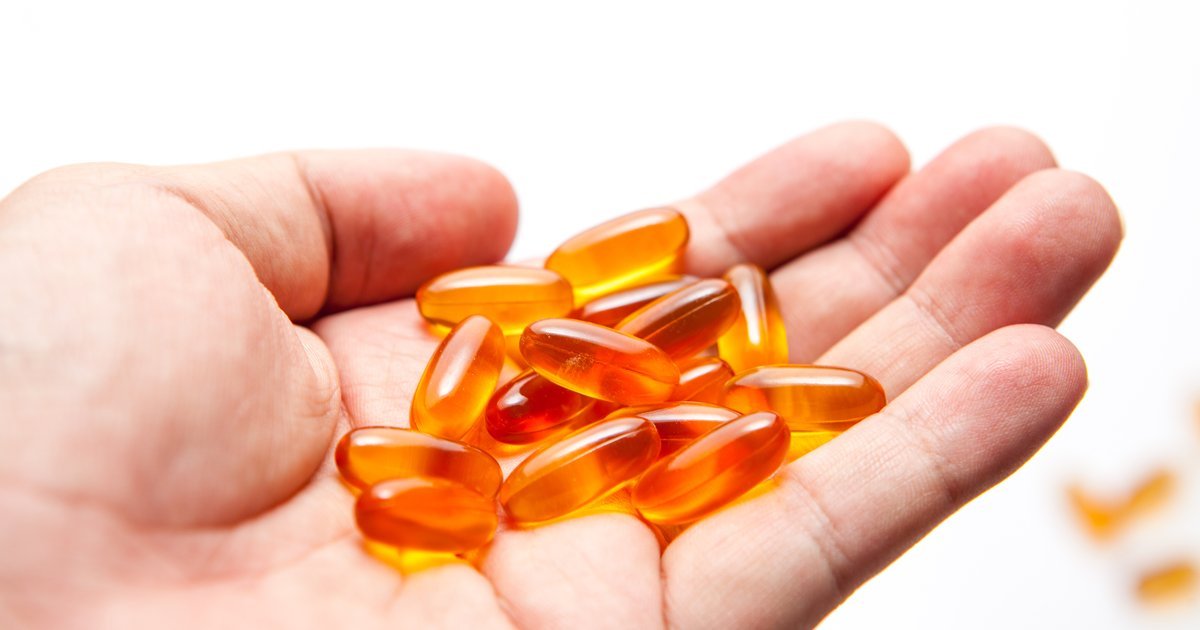
One in three healthy American adults takes a multivitamin to prevent disease and improve overall health, but a new study suggests that taking the vitamins regularly doesn’t lower the risk of death.
The study, published Wednesday in the journal JAMA Network Open, analyzed data from nearly 400,000 healthy U.S. adults over a 20-year period and found no association between multivitamin use and a lower risk of death from any disease, including heart disease or cancer.
more: FDA warns Horsham-based Bimbo Bakeries USA to stop “misbranding” products
In fact, those who took the vitamin daily had a 4% increased risk of death.
“Pills are not a shortcut to improving health or preventing chronic disease,” Dr. Larry Appel, director of the Welch Center for Prevention, Epidemiology and Clinical Research at Johns Hopkins University, said in a Johns Hopkins Medicine post about multivitamins. “Other nutrition recommendations have stronger evidence of effectiveness: eating a healthy diet, maintaining a healthy weight, and reducing intake of saturated fat, trans fat, sodium, and sugar.”
Previous studies on whether multivitamins help prevent disease have had mixed results. Manufacturers change the ingredients in multivitamins, making it hard for researchers to know which vitamins affect outcomes. Previous studies were also limited by short follow-up periods.
The new study was longer in duration and had a larger number of participants, allowing the researchers to reduce the effects of biases that may have influenced the results of the previous study.
For example, a healthy person who takes a multivitamin may also exercise and eat a nutritious diet.
In the study, the researchers adjusted for lifestyle factors such as smoking, diet, and exercise, and excluded people with chronic diseases. The average age of study participants was 61.5 years old.
Multivitamins were first introduced in the 1940s. Multivitamins and multivitamin-mineral supplements accounted for 38% of total U.S. vitamin and mineral sales in 2019, a market worth approximately $8 billion.
