

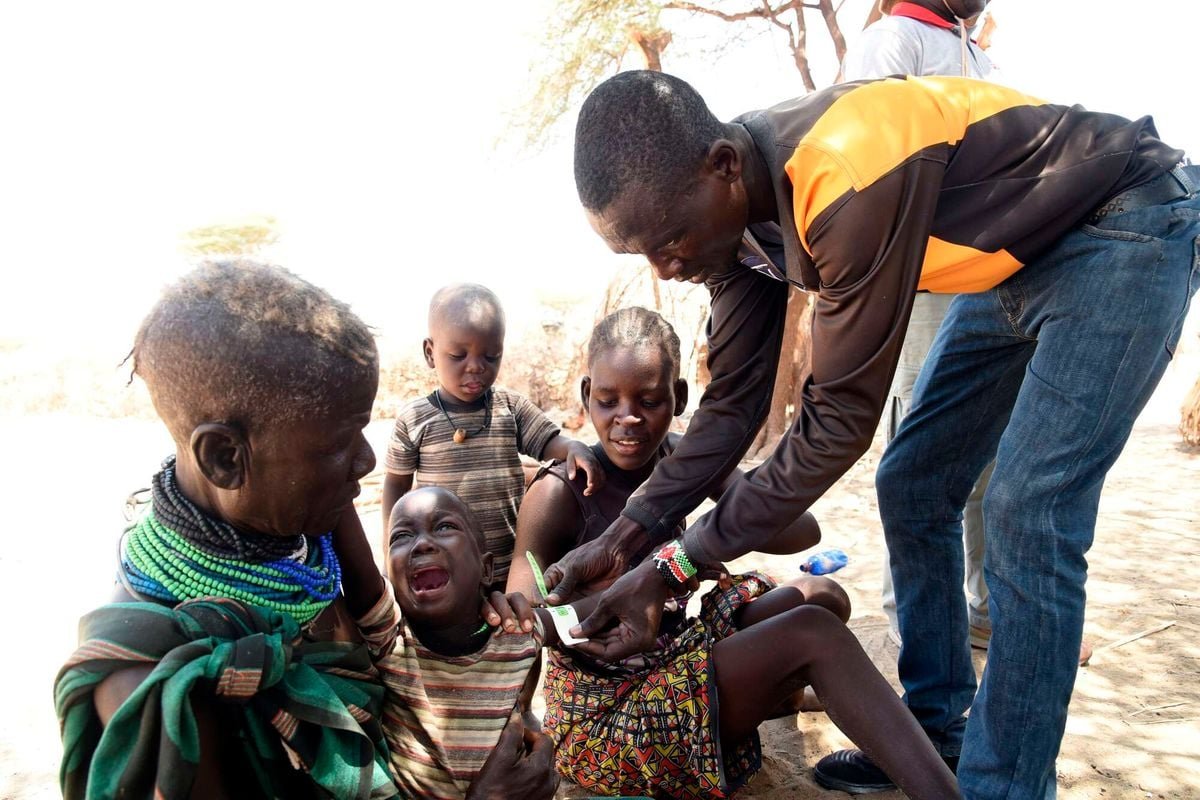
The food and drink industry is being called on to invest in producing and promoting children’s foods that are nutritious, safe, affordable and sustainable and that are low in sugar, salt and unhealthy fats.
This follows a recent child nutrition report by the United Nations International Children’s Emergency Fund (UNICEF), which found worryingly high levels of ultra-processed foods and drinks consumed by young children in low- and middle-income countries.
Ultra-processed foods and beverages are produced using industrial processes and are typically low in essential nutrients and high in sugar, salt and unhealthy fats. They are widely available, cheap, convenient and marketed in ways that appeal to children and their families.
According to the 2024 Child Food Poverty Report, more than one in five children in Kenya eat two or fewer food groups a day, yet consume unhealthy foods and sugary drinks, which can exclude more nutritious foods from these children’s diets.
UNICEF defines child food poverty as the inability of children to access and consume a nutritious and diverse diet during early childhood. “The underlying drivers of child malnutrition in Kenya are poor child nutrition, poor infant and young child feeding practices, lack of appropriate childcare and poor access to health and nutrition services. Investments should be made in producing and promoting nutritious, safe, affordable and sustainable foods that are low in sugar, salt and unhealthy fats for young children and their families,” the report reads in part.
The report found that 5 percent of severely food poor children had consumed unhealthy foods and 27 percent had consumed sugary drinks in the past 24 hours. This is because families in extreme income poverty have difficulty affording nutritious foods, especially animal-based foods such as eggs, meat, poultry, fish and dairy, which cost much more per calorie than staple foods.
UNICEF and the World Health Organization recommend that children aged six months and older should consume meat-based foods such as meat, poultry, fish and eggs, as well as fruits and vegetables daily, as these foods are more nutritious and have a wider variety of micronutrients than starchy staples.
The report finds that 18 per cent of food poor children eat meat, compared to 65 per cent of non-food poor children, and only 10 per cent of food poor children eat eggs, compared to more than half of non-food poor children.
Similarly, intakes of fruits and vegetables rich in vitamin A and other fruits and vegetables are much lower among food poor children (33% and 16%, respectively) than among non-food poor children (85% and 71%, respectively).
UNICEF Kenya Nutrition Specialist Laura Kige said that every meal for infants and young children, whether breastfed or fed with complementary foods, is an important opportunity to provide the energy, protein, vitamins, minerals and other essential nutrients that a child’s body needs to grow and develop. By feeding infants and young children nutritious foods, parents and caregivers are laying the foundations for a healthy future, she said.
“The evidence is clear that a varied diet rich in all essential nutrients during early childhood is key to enabling children to reach their full potential. It paves the way for optimal growth, development and learning, ensuring good physical and mental health and a bright future. Improving early childhood diet quality and eating habits is the cornerstone of preventing all forms of malnutrition,” said Mr Kiige.
She further noted that ultra-processed foods are a major contributor to today’s broken food system and the global epidemic of childhood overweight and obesity, as well as diet-related non-communicable diseases such as type 2 diabetes, cardiovascular disease and poor mental health in children and adolescents.
“The triple burden is increasingly concentrated in low- and middle-income countries due to broken food systems that fail to provide children with the nutritious diets they need. Poor quality children’s diets are the main cause of the triple burden of child malnutrition – undernutrition, micronutrient deficiencies and overweight,” said Mr Kiige.
Last year, the WHO published new guidelines recommending that countries implement mandatory measures to protect children of all ages from the marketing of foods and drinks high in sugar, salt and unhealthy fats.
Kenya has achieved significant progress in reducing the overall prevalence of stunting from 35 percent in 2008-2009 to 18 percent by 2022.
Nationwide, 16 percent of children experience severe food poverty, and in some counties in arid and semi-arid areas facing particularly harsh climatic conditions, the prevalence of child stunting is reported to be over 40 percent.
