

We were discussing hemoglobinopathies (diseases in which red blood cells are destroyed) when my brother asked a question.
“Should I take vitamin B6 and iron supplements to raise my hemoglobin levels and keep my complexion from looking pale?”
Oise asks similar questions about health concerns, some of whom spend hundreds of dollars a month on various types of vitamins.
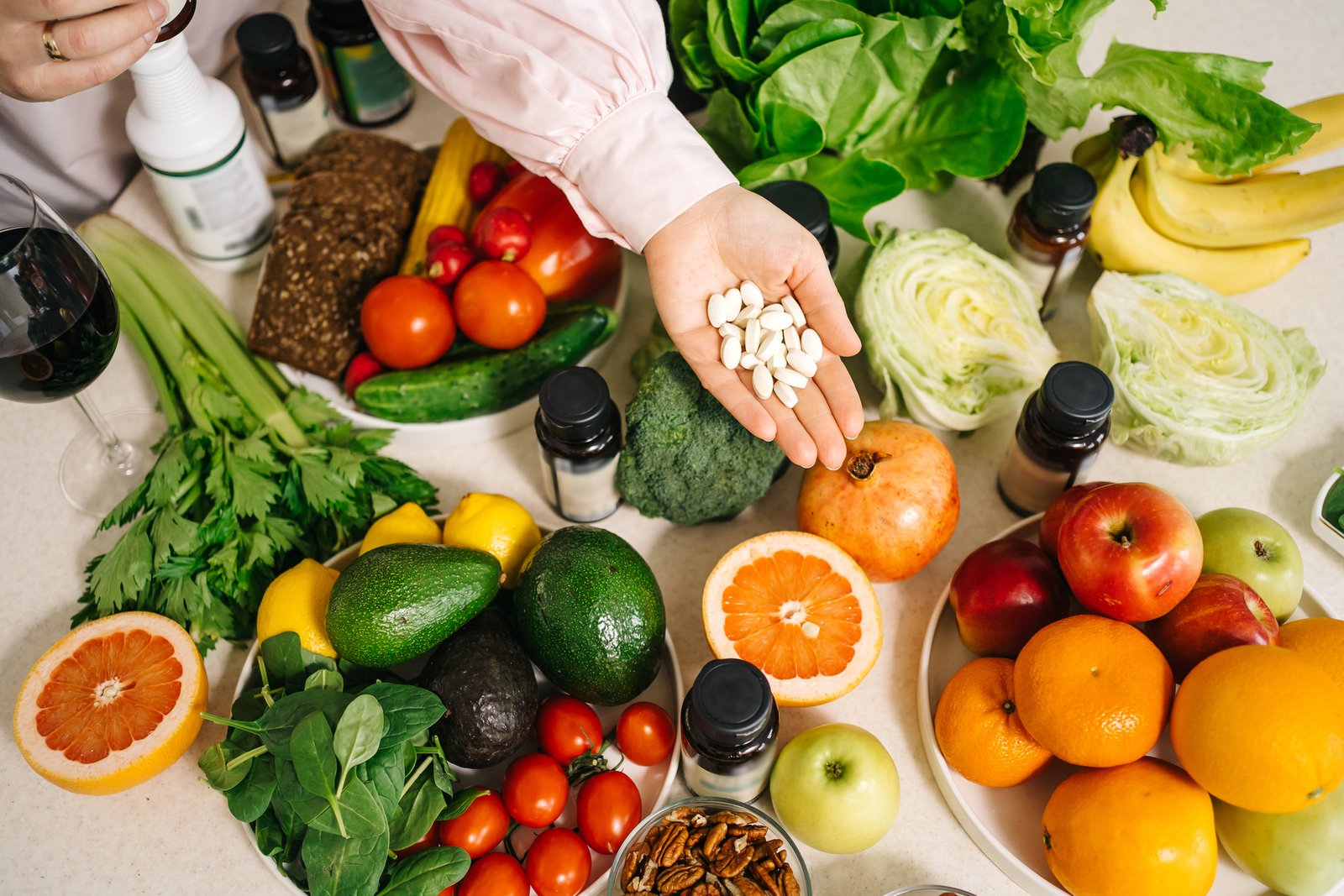
Should I take a daily vitamin supplement?
Father Wheeler, a chemistry teacher from Kansas City, said that the only thing vitamin supplements affect is your wallet. Research shows that vitamin supplements are only necessary if laboratory tests confirm a deficiency. In fact, fat-soluble vitamins are stored in fatty tissue, so unnecessary vitamin intake can be harmful.
So what are vitamins? Vitamins and minerals are chemicals essential for the proper functioning of cellular metabolism.
The Dietary Guidelines for Americans (2020-2025) recommends meeting nutritional requirements for vitamins, minerals, and fiber through nutrient-dense foods. Vitamins come in both water-soluble and fat-soluble forms.
Fat-soluble vitamins include vitamins A, D, E, and K.
Vitamin A is needed for vision, red blood cell production, immune function, and cell differentiation (the process by which a simple fertilized egg changes into complex cells and tissues). Vitamin A is found in foods such as orange and dark green leafy vegetables, fish, dairy products, eggs, and liver. Vitamin A deficiency can cause night blindness (inability to see in the dark) and, in severe cases, can dry out the cornea, damaging both the cornea and retina. Such deficiencies are rare in the United States but are a public health concern in poor areas of the world.
Vitamin D aids in calcium and phosphorus absorption and promotes bone and tooth formation. Vitamin D is available from fortified milk, eggs, mushrooms, and cod liver oil. It is also synthesized in the skin from cholesterol derivatives and further converted in the liver and kidneys to produce the active form of the vitamin. Vitamin D and calcium help prevent rickets, a disease that causes poor growth due to impaired bone development. People aged 1 to 70 years need about 15 micrograms or 600 international units per day. For people 71 years and older, the requirement rises to 20 micrograms.
The Endocrine Society has issued guidelines stating that vitamin D supplements should only be taken by certain risk groups (exclusively breastfed infants, children and adolescents aged 1-18 years, pregnant women, and adults with prediabetes). Taking calcium tablets or vitamin D with calcium can increase blood calcium levels, leading to calcification of the coronary arteries that supply blood to the heart and predisposing to cardiovascular disease. Current guidelines recommend against routine blood testing for vitamin D in healthy individuals. Some studies suggest that vitamin D may play a role in regulating the immune system, but the evidence is weak.
Vitamin E exists in various chemical forms, but only alpha-tocopherol is known to meet human needs as the liver absorbs and excretes all other forms of vitamin E. Most vitamin E is obtained from nuts, seeds, vegetable oils, green leafy vegetables, and fortified cereals. Daily intake from food typically meets the daily requirement of 15 mg for adults and children over 4 years of age. Vitamin E is also known to have antioxidant properties. People following a low-fat diet are encouraged to consume adequate amounts of nuts, seeds, and leafy vegetables.
Because fat is needed to absorb vitamin E, people with fat absorption disorders such as Crohn’s disease, cystic fibrosis, and disorders of bile secretion from the liver to the intestine need water-soluble vitamin E. People with ataxia (loss of muscle control in the arms and legs) due to vitamin E deficiency have neurological problems and may suffer nerve damage and loss of the ability to walk if they do not take vitamin E supplements.
Vitamin E can inhibit the action of vitamin K-dependent clotting factors and prevent platelet aggregation, meaning that taking large amounts of vitamin E may increase the risk of bleeding.
Vitamin K, found in green leafy vegetables, vegetable oils, and grains, helps with blood clotting and wound healing. Vitamin K is actually a group of compounds that require micrograms per kilogram of body weight and can be met with a balanced diet, with any excess stored in the liver. Unlike other fat-soluble vitamins, vitamin K is rapidly metabolized in the body, leading to low levels of vitamin K circulating in the blood. One form of vitamin K is produced by bacteria in the intestine, in amounts that may partially meet the body’s needs.
In the next column we will talk about water-soluble vitamins.
Syed Jamal teaches college-level chemistry, biology, and anatomy/physiology and is researching plant cleansing and cancer biology. The Kansas Reflector amplifies the voices of people affected by public policy and those excluded from public debate through its opinion column. Learn more, including how to submit your own commentary, here.
