

For Olivia, life seemed to revolve around a never-ending cycle of stinging period pain. Every month was the same: She’d lie in the fetal position, clutching her stomach and crying. And the days she’d be able to work from home (that is, in bed) without having to lug a hot water bottle into the office to dull the pain. “I’d be lying on the floor,” she said. White.
Tired of constantly taking paracetamol to deal with the pain, she thought that by tweaking her diet and aligning it with her cycle, she could ride the hormonal waves better.
And she’s not alone: a 2023 survey of 3,000 women and girls aged 16 to 40 by the Wellbeing of Women charity found that 96% experienced period pain and 49% said they had heavy bleeding.
So the question arises: does food, or diet, really help?
Meet the experts: Rhiannon Lambert is a registered dietitian, Sunday Times bestselling author and founder of Rhitrition & Rhitrition Plus. Her latest book is: The Science of Plant-Based Nutrition(£20, DK) is available today.
How can the foods we eat help ease period pain?
“During menstruation, many women experience abdominal cramps, also known as dysmenorrhea, which can be uncomfortable and painful,” explains registered dietitian Rhiannon Lambert.
But there’s some evidence to suggest that the foods we eat can have a positive impact on this pain, and may even relieve it: “Increasing your intake of magnesium-rich foods, such as almonds, and omega-3 rich foods, such as walnuts, may reduce the intensity of pain felt during your menstrual cycle,” says Lambert.
In fact, magnesium, which is also found in dark chocolate and pumpkin seeds, does double duty by not only improving the quality of your sleep but also reducing muscle spasms in the uterus and intestines.
“Similarly, vitamins D and E are known to have anti-inflammatory properties, and some studies have found that increasing your intake of these two vitamins may reduce pain associated with menstruation.”
Did you know that? Iron helps red blood cells carry oxygen to muscles, so low iron levels can make cramps worse.
What foods should you eat more of during your period?
It’s important to replenish the nutrients lost when bleeding. If you notice bleeding, try to eat the following foods…

1. Edamame
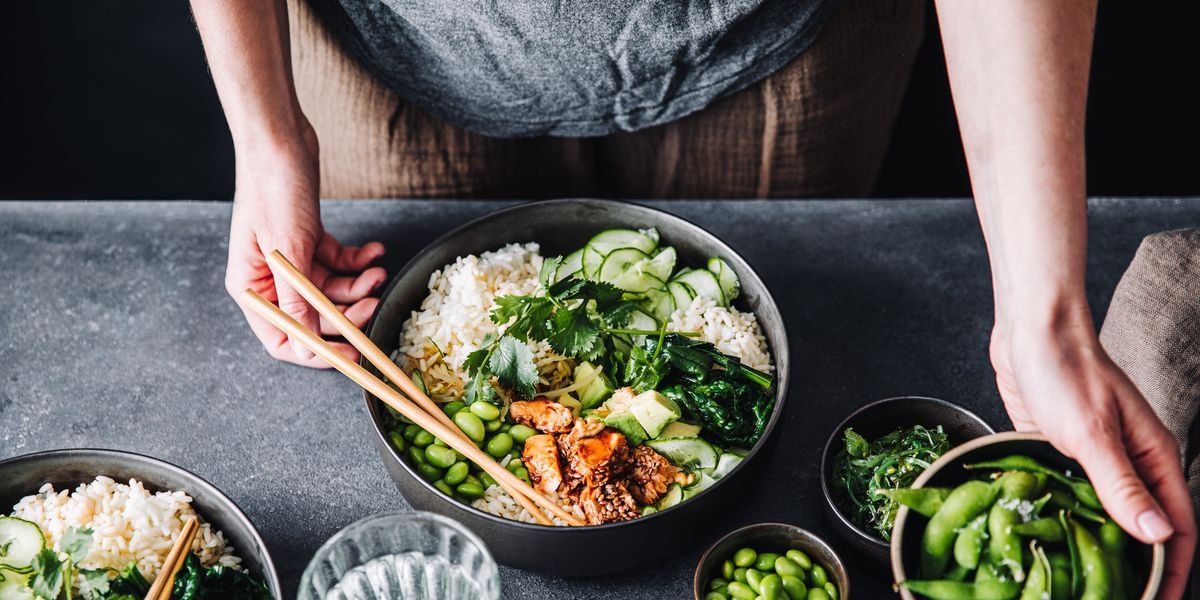
“Your body loses iron during your menstrual cycle, so eating foods like edamame (and dark green leafy vegetables) can help boost your iron levels,” says Lambert. “One 160g serving of edamame provides 3.5mg of iron.”
2. Whole grains
“Some research suggests that whole grains, such as whole wheat bread, may lead to reductions in the physical, mood and behavioral symptoms associated with premenstrual syndrome,” Lambert says.

3. Olive oil
“Incorporating olive oil into your daily diet has been shown to reduce menstrual bleeding, while ginger consumption has been shown to have anti-inflammatory and analgesic properties,” she added.
4. Vitamin D
“Finally, increasing your vitamin D intake from foods such as mushrooms has been shown to reduce both premenstrual and menstrual symptoms,” Lambert says.
However, it is important to note that the most effectively absorbed form of vitamin D (D3) from the diet is found in oily fish, which some people do not consume.
“What’s more, we get most of our vitamin D from the sun’s ultraviolet (UV) radiation that hits our skin when we spend time outdoors, which is why all adults in the UK are recommended by the NHS to take a high-quality vitamin D supplement from October to April, when UV rays are least intense.”
Can a plant-based diet help ease menstrual symptoms?
Is it okay if I don’t like seafood? What are some plant-based foods that can help relieve period pain?
“Choosing a primarily plant-based diet, like the Mediterranean diet, has been shown to alleviate a variety of menstrual symptoms and some disorders,” Lambert says.
“The Mediterranean diet has anti-inflammatory properties that may help reduce premenstrual symptoms and prevent premenstrual syndrome.”
“Research has shown that poor adherence to the Mediterranean diet increases the risk of premenstrual syndrome. And while there is limited research on plant-based diets and reducing menstrual symptoms, there is some evidence to suggest they may reduce bleeding.”
“There are some small studies suggesting that a plant-based diet may be beneficial for people with polycystic ovary syndrome,” she continues. “This disease increases the risk of insulin resistance and type 2 diabetes, but the Mediterranean diet, for example, can help manage blood sugar levels and reduce the risk of developing diabetes.”
“Finally, it’s important to highlight that a plant-based diet may alleviate menopausal symptoms. For example, soy products such as edamame, tofu, and tempeh may reduce hot flashes and night sweats.”
What foods should you avoid during your period?
Unfortunately, the coffee, chocolate, and alcohol that we rely on to boost our mood can actually be counterproductive, as these drinks often leave us dehydrated, and sugary foods can promote inflammation.
“There is evidence that consuming highly processed ‘snack’ foods high in sugar, salt and fat increases the risk of period pain in young women,” Lambert said, adding that there is also evidence that consuming large amounts of meat during menstruation increases inflammation. Eating ham weekly has also been linked to increased bleeding.
Plant-Based Nutrition: How to Power Plants for Optimal Health

Heavy period pain is common but not normal, so see your doctor if it persists.
Block out noise GPractical information, expert advice, home workouts, simple nutrition and much more delivered straight to your inbox.Women’s Health Newsletter
