

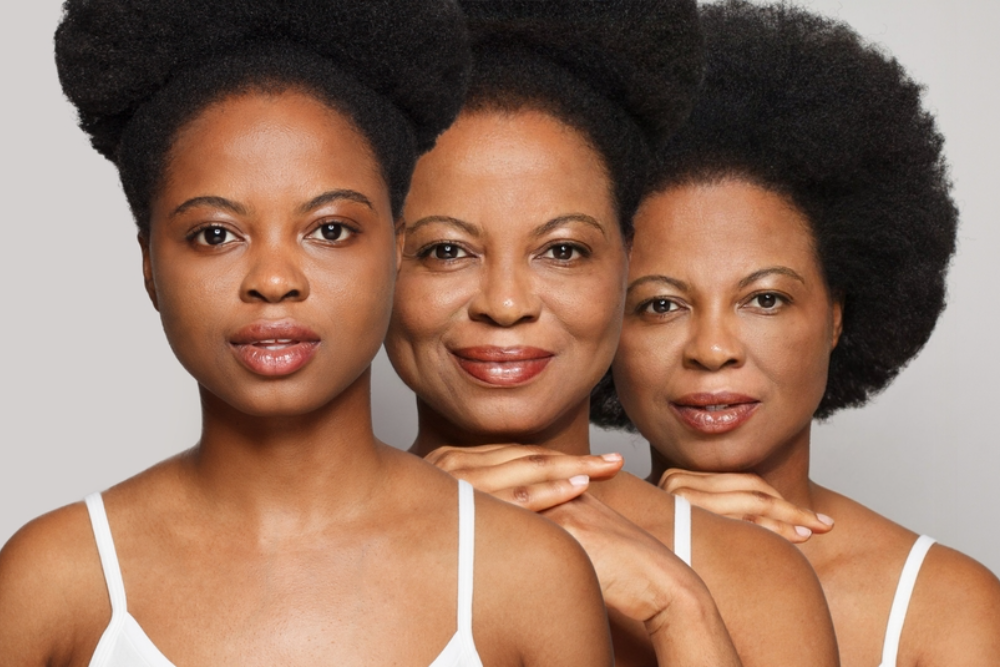
The beauty industry’s obsession with anti-ageing products and treatments has long been a topic of debate. Leading experts including Shani Darden and Dr. Steven Williams explain what the term means and how it impacts society’s perception of aging.
Understanding Anti-Aging
In medical terms, anti-aging refers to treatments or medications that aim to reverse or prevent the signs of aging. However, the term can be misleading, as aging is a natural and inevitable process. The beauty industry has capitalized on the desire to maintain a youthful appearance, creating a multi-billion dollar market offering everything from retinoids to sunscreens to cosmetic procedures.
The reality of aging
While advancements like the Harvard Medical School chemical cocktail promise to reverse the signs of aging, the truth is that aging cannot be stopped completely. The term anti-aging can encourage unrealistic expectations, leading to frustration and wasted resources. Rather than chasing an unattainable fountain of youth, it is important to find beauty in aging and focus on maintaining healthy skin.
A new generation of skin care
The anti-ageing trend is not just limited to mature skin. It is now targeting the younger generation as well, encouraging them to start preventative beauty habits early. While developing good skin care habits is beneficial, it is important to set age-appropriate expectations and avoid unnecessary treatments for younger skin.
Changing the narrative
Instead of fixing age, the focus should be on improving skin and body health. Getting older should be seen as a privilege, and beauty narratives should promote healthy skin at all ages. By shifting perspective, we can embrace aging as a natural part of life and celebrate the wisdom and experience it brings.
