

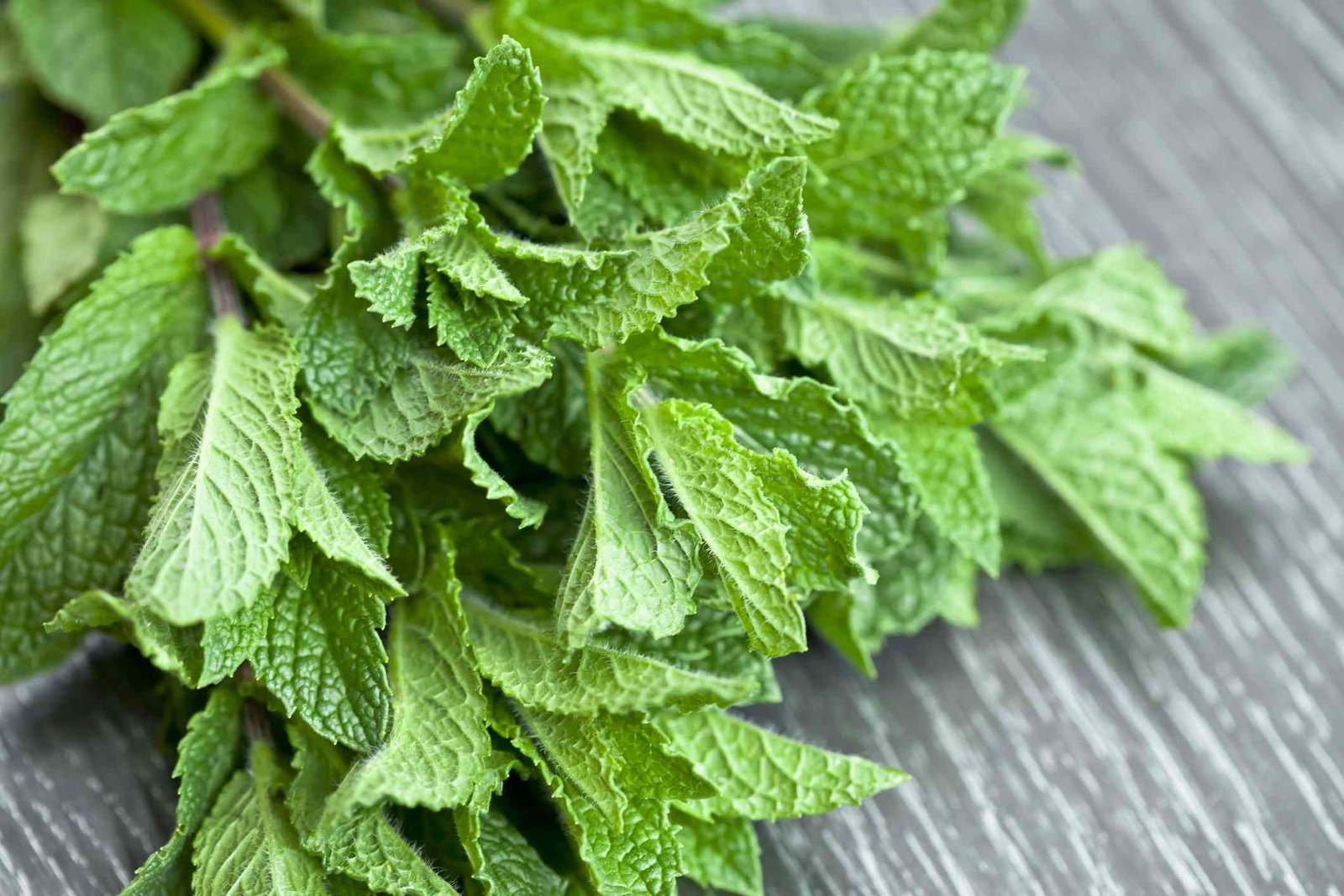
Mint is a general term for numerous plants that belong to the mint or lamiaceae family.
Mints, including peppermint, are commonly used as ingredients in drinks, desserts, and other recipes and can also be taken as a dietary supplement.
Research has shown that supplementing with mint can have a variety of health benefits, including improving certain digestive conditions and easing nausea.
Mint has properties that make it an effective natural remedy for digestive symptoms such as irritable bowel syndrome (IBS) and indigestion (the medical term for upper abdominal discomfort).
Like peppermint, mint is rich in therapeutic compounds, including L-menthol, a monoterpenoid compound that acts as a muscle relaxant. L-menthol blocks calcium channels that cause smooth muscle contractions, preventing the cramps that cause symptoms like abdominal pain and diarrhea in IBS sufferers.
Mint also contains anti-inflammatory and antioxidant compounds, which may benefit people with IBS by reducing inflammation and cell damage.
A review of 12 studies involving 835 IBS patients found that peppermint oil supplementation for two to 12 weeks significantly improved symptoms such as abdominal pain, bloating, and gas compared with placebo treatment.
A review of 96 studies found that peppermint oil supplements, when used with other ingredients such as caraway oil, are effective in relieving certain symptoms of indigestion, such as abdominal pain and pressure. There is limited research on the effectiveness of peppermint supplements in treating indigestion, and there is currently no evidence that treatment with mint alone is effective in treating this condition.
Some studies suggest that peppermint oil supplements may improve cognitive performance.
Mint contains compounds that may interact with certain neurotransmitters to enhance cognitive function. Gamma-aminobutyric acid (GABA), Inhibition Acetylcholinesterase (AChE) This enzyme breaks down a neurotransmitter called acetylcholine, which plays an important role in attention and memory.
One study in 24 people found that a single dose of 100 microliters (µl) of peppermint oil improved performance on cognitive tests and reduced mental fatigue associated with prolonged performance of cognitive tasks compared to a placebo.
Mint has a calming scent, and smelling it may help reduce symptoms of nausea. For example, studies have shown that mint aromatherapy may help reduce nausea and vomiting in people undergoing treatment for cancer.
Taking mint supplements may also help with certain types of nausea and vomiting: One study of 84 breast cancer patients undergoing chemotherapy found that treatment with 40 drops of peppermint essential oil in water every eight hours significantly reduced nausea, vomiting, and loss of appetite compared to a placebo 24 and 48 hours after treatment.
However, most of the research investigating mint’s effects on nausea and vomiting has focused on mint aromatherapy rather than oral mint supplements.
Although research is limited, there is some evidence that mint supplements may be helpful for people looking to naturally increase stamina and power during exercise. Mint has antispasmodic properties and may support athletic performance by relaxing pulmonary smooth muscles and improving tissue oxygenation.
A small study in 12 men found that consuming 500 milliliters (ml) of mineral water containing 0.05 ml of peppermint essential oil for 10 days significantly improved exercise performance, lung function, heart rate, and power during a treadmill exercise test compared to before treatment.
Another study in 30 healthy men found that a single oral dose of 50 µl of peppermint essential oil significantly improved exercise capacity and lung function parameters compared to placebo treatment.
Although these results are promising, more research is needed to understand the effect of oral mint supplements on athletic performance.
Mint supplements are sold in a variety of forms, including capsules and liquids. Dosages and usage vary, so it’s important to follow the directions on the supplement’s label.
It’s always a good idea to consult with your healthcare professional before using mint supplements, especially if you have any health conditions, such as digestive disorders.
Although mint supplements may be helpful for people with certain medical conditions, they may not be appropriate or safe for everyone.
Dose
The recommended dosage of mint supplements varies depending on the type and treatment purpose.
For example, one study suggests that ingesting 50-100µl of peppermint oil may help improve motor and cognitive performance.
One study found that taking 182 milligrams (mg) of peppermint oil daily for eight weeks was effective in improving IBS symptoms.
Always consult with your healthcare provider for specific dosage advice.
Mint supplements are generally considered safe, but they may not be suitable for everyone.
Little is known about the safety of oral mint supplements during pregnancy and breastfeeding, so it is best to avoid them during these life stages.
Peppermint oil has been proven to be safe when taken in appropriate amounts, however, people with certain medical conditions such as gallstones, hiatal hernia, or gastroesophageal reflux disease (GERD) should consult with a healthcare professional before taking peppermint supplements.
Potential Drug Interactions
Mint supplements may interact with or increase the bioavailability of some commonly prescribed medications, including:
- Blood Pressure Medications: Although human studies are limited, peppermint oil may increase the bioavailability of certain blood pressure lowering medications, such as felodipine, making them more effective in the body.
- Cytochrome P450 Substrates: Some evidence suggests that peppermint oil may interact with medications that are metabolized by cytochrome P450 enzymes, such as the blood-clotting anticoagulant warfarin and the blood pressure lowering drug metoprolol.
- Chemotherapy drugs: Peppermint oil may interfere with certain chemotherapy drugs, such as docetaxel and cisplatin.
If you are taking one or more medications, be sure to consult with your doctor before introducing any new supplements, including mint products, into your routine.
What to look for
When buying mint supplements, there are a few things to keep in mind.
It’s important to choose a quality product from a trusted supplement brand. If possible, buy your mint supplements from companies that are certified by organizations like UL, USP, and NSF International, which have strict standards for supplement quality and safety.
Consult with your healthcare provider before taking mint supplements, as they may not be safe or appropriate for everyone and may interact with common medications.
Can you have too much mint?
Mint supplements are generally considered safe, but they can be toxic if taken in extremely large amounts. For example, taking large amounts of peppermint oil can damage the kidneys and liver and lead to acute renal failure. Overdosing on peppermint oil can be fatal.
Again, be sure to consult with your healthcare provider if you have any questions about supplement dosages.
Mint supplements do not cause serious side effects when taken in appropriate amounts, but they may cause some side effects.
Possible side effects associated with taking mint supplements include:
If you experience side effects after taking mint supplements, stop taking the supplement and contact your healthcare provider if your symptoms do not improve.
If you’re interested in enjoying the benefits of mint but don’t want to take a supplement, consider incorporating fresh mint into your diet.
Mint has a refreshing taste, similar to peppermint, and is rich in protective plant compounds, such as polyphenols, which have antioxidant and anti-inflammatory properties in the body.
Here are some ways to use fresh mint:
- Chop fresh mint and add it to a green salad.
- Create a flavorful side dish with fresh mint, watermelon, and feta cheese.
- Add fresh mint to water or cocktails
- Use chopped mint in homemade pesto or dressings
- Incorporate fresh mint into your pasta dishes
- Use fresh chopped mint as a garnish for meat, poultry, or fish dishes.
Fresh or dried mint can also be used in desserts such as ice cream and baked goods. It pairs particularly well with chocolate and can be used to create delicious chocolate-based recipes, including cakes and cookies.
Mint is a popular ingredient in sweet and savory dishes and cocktails. When used as a dietary supplement, mint, including peppermint, may offer multiple health benefits.
Research has shown that mint supplements may improve symptoms of certain digestive disorders, such as IBS, and support athletic performance and cognitive function.
While mint supplements are generally considered safe, they may not be suitable for everyone and may cause dangerous side effects if taken in large amounts.
