

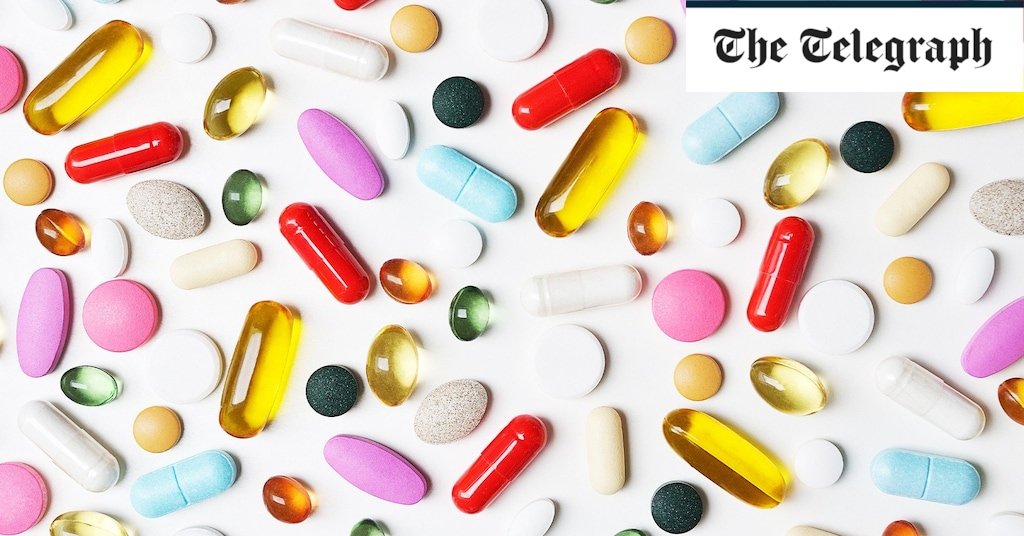
Nearly half of UK adults regularly take supplements in the hope of getting a nutritional boost – but is it really necessary?
Many experts say supplements have their place. Others say they’re expensive and unnecessary. But supplement brands are certainly making money: revenue generated by the industry reached a staggering £610 million in the UK this year, and the market is expected to grow at 6.53% per year over the next five years.
The benefits these brands promise include everything from improving immunity and overall health to addressing specific issues like gut problems or brain health. It’s easy to see why these products are popular — who doesn’t want to take medicine to cure an ailment? But could taking unnecessary supplements actually be doing more harm than good? Let’s find out.
Jump to:
All-rounders usually contain vitamins A, C, D, E, B vitamins, and minerals such as iron, calcium, magnesium, and zinc. The difference is that vitamins are produced by animals and plants, while minerals come from the soil and the environment. Plants absorb minerals, which animals and humans eat.
Back to index
While we’d love to have a yes or no answer to this, the truth is more complicated: “If you’re generally fit and eating a healthy diet, you don’t need a multivitamin,” says Emily Leeming, PhD, a nutritionist at King’s College London and author of The Multivitamin. The genius gut: the life-changing science of diet for your second brain“Meta-analyses of randomized controlled trials have found that taking multivitamins does not increase lifespan or provide any benefit in terms of cardiovascular disease. However, there are some groups of people for whom supplements may be helpful.”
“Over the past few decades, changes in agriculture and soil management have significantly reduced the mineral content of our foods,” says Aidan Goggins, an independent adviser to pharmacists, nutritionists and the supplement industry. “Given the challenges facing the modern diet, the judicious use of a high-quality multivitamin is beneficial,” he argues.
Back to index
Fat-soluble vitamins, such as vitamin A and vitamin E, can build up in the liver and become toxic because they can’t be excreted from the body. “Too much vitamin A can cause headaches, liver damage and affect bone strength,” explains Dr Leeming. “Water-soluble vitamins, such as vitamin C and the B vitamins, are excreted in the urine but can also be problematic if taken in excess over a long period of time.”
Back to index
Everyone agrees that Vitamin D is essential, as it is absorbed through the skin from the sun. In the UK, taking a supplement is recommended for everyone, but especially children and the elderly, as there is not enough sunlight in the winter months. Vitamin C is the second most popular dietary supplement in the UK, but it is actually very easy to get it from food, so as long as you eat enough fruit and vegetables you don’t need to take a supplement. Good sources of Vitamin C are citrus fruits, berries, peppers, broccoli, kale, parsley and potatoes.
Back to index
Yes, algae omega-3 supplements. “Plant-based omega-3s like ALA are less bioavailable,” says Goggins. “We need good DHA, but if we don’t eat fish, we can only get it from microalgae.” He adds that plant-based iron may be less well absorbed due to other compounds in plants, like lectins and tannins, which is also something to consider.
Back to index
“Vegans should definitely supplement with vitamin B12,” advises Dr Leeming. “Vitamin B12 is found in meat and animal products and is important for neurological function, including mood.” Vegetarians who eat dairy and eggs don’t necessarily need vitamin B12 supplements, but if you’re not consuming them often it might be worth getting your levels checked.
Back to index
The advice here is clear: yes, and ideally start before you become pregnant. It contains folate, iron, and iodine, which are important for maintaining neural tube health. Make sure you choose a supplement specifically for pregnancy. It does not contain vitamin A, as too much vitamin A has been shown to cause birth defects.
Back to index
Yes, pregnancy isn’t the only time women need supplements. Many premenopausal women are iron deficient, and they can suffer from fatigue, especially those with heavy periods. While you can increase your iron intake through your diet, women, especially those who don’t eat meat, should take iron supplements.
After menopause, your iron levels may return to the same levels as men, but there are different considerations. “Some women may be advised to take calcium supplements due to concerns about osteoporosis,” says Dr. Leeming. Most of us can get all the calcium we need from food, but if you don’t eat dairy products, it’s worth considering a supplement.
Similarly, the brain nutrient vitamin B12 can decline after menopause. “But to be honest, we don’t really know because there hasn’t been enough research,” sighs Dr Leeming. “It’s scary how little research has been done because it’s always been male-centered. Around 50% of the population will reach menopause, yet there is a severe lack of information and options to improve their quality of life.”
As we age, we still need more protein to maintain muscle mass, although not as much as women. We also need to be more vigilant about getting all the nutrients we need, because we don’t absorb nutrients as efficiently as we age.
Overall, is a multivitamin or an individual dietary supplement better?
“Multivitamins are trade-offs designed to cover as many bases as possible, but they also make some compromises,” Goggins explains. “For example, water-soluble vitamins are best absorbed on an empty stomach, while fat-soluble vitamins and minerals are better absorbed when taken with food. Nutrients often compete with each other: copper is inhibited by zinc, and vitamin E inhibits vitamin D absorption, and minerals like magnesium, iron, and zinc compete to get through the intestinal wall and into the bloodstream.”
Multivitamins are convenient to take, but the nutrients in whole foods are designed to work together, not against each other – something that can’t be replicated in a pill. If you take supplements, it’s ideal to identify what nutrients you’re deficient in and then take those specific nutrients. “If you have symptoms, your GP can arrange blood tests to check your iron and vitamin B12 levels, but there are lots of nutrients that a blood test can’t check for,” says Dr Leeming. “For most people, a real focus on diet will have a huge impact on their health.”
Back to index
“Again, if you’re healthy, you don’t need to worry,” says Dr. Leeming. “Most commercially available fermented foods don’t contain enough live microbes to affect your health.” Fermented foods are also rich in good bacteria that keep your gut healthy. Dr. Leeming says there is solid research on the benefits of kefir, especially for brain health. If you don’t like kefir (or its fermented cousins sauerkraut, kimchi, and kombucha), good news: there are more fermented foods than you might think, including cheese, olives, sourdough bread, and natural yogurt. Another thing that keeps your gut flora healthy is plant-based fiber. Fiber is found in all plants, so eat plenty of fruits, vegetables, nuts, seeds, beans, legumes, and whole grains.
Back to index
