

In preclinical trials, the small molecule effectively regenerated neurons, reduced inflammation, and improved memory, speed, coordination, grip strength, and more. The findings could have major implications for aging and associated diseases.
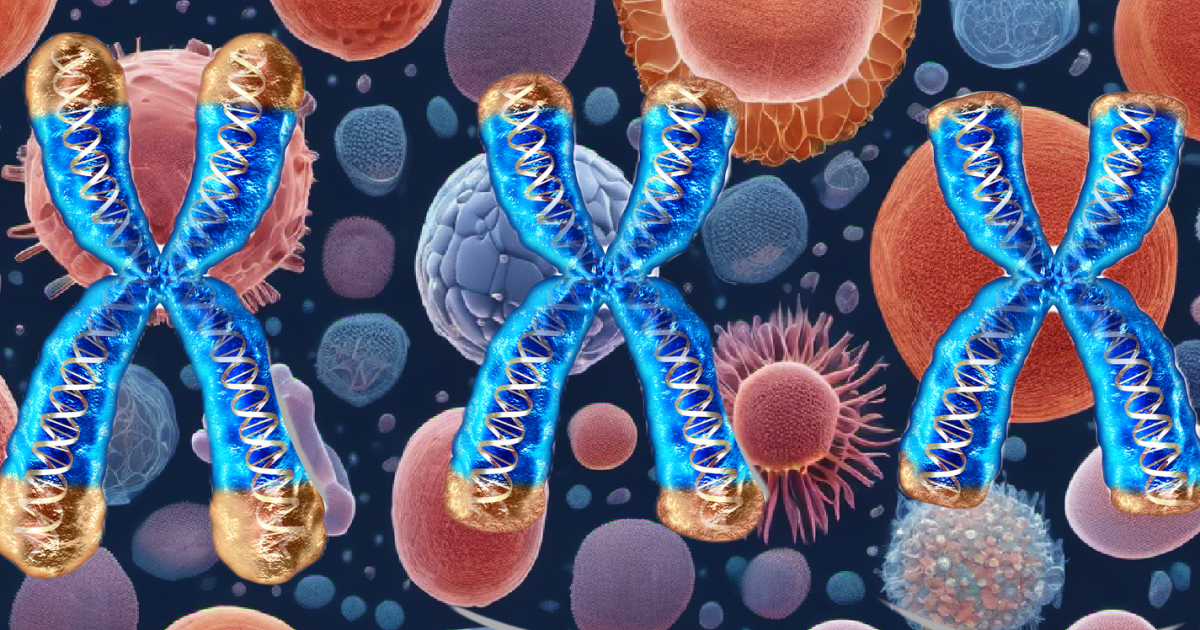
To investigate, scientists at The University of Texas MD Anderson Cancer Center focused on telomerase reverse transcriptase (TERT), an enzyme known to help synthesize and lengthen telomeres, the protective caps at the ends of chromosomes that help cells divide. Levels of TERT decline with age.
Without sufficient levels of TERT, telomeres can shorten or become severely altered, leading to a process of continuous DNA damage and causing cells to release inflammatory compounds that can lead to aging, tissue damage and cancer.
So the researchers screened more than 650,000 compounds to find one that could reactivate TERT in mice at the human equivalent of 75 years of age. They found one, and when they administered the TERT-activating compound (TAC) to the mice for six months, they observed that new neurons formed in the hippocampus, the memory center of the brain, and the mice performed better on cognitive tests, which corresponds to an increase in genes involved in memory and learning.
Additionally, the researchers found that TAC improved sarcopenia in mice – the natural decline in muscle mass, strength, and coordination that occurs with age – as measured by improvements in the mice’s grip strength, speed, coordination, and neuromuscular function.
Finally, administration of TAC also reduced a process known as “inflammaging,” which is the accumulation of inflammatory markers associated with age and is associated with a variety of diseases. This is linked to TAC’s ability to suppress the p16 gene, a key driver of cellular senescence.
“Epigenetic suppression of TERT plays a major role in the cellular decline seen at the onset of aging by regulating genes involved in learning, memory, muscle performance and inflammation,” said study author Ronald DePinho. “By pharmacologically restoring youthful TERT levels, we reprogrammed the expression of these genes, improving cognition and muscle performance and eliminating hallmarks associated with many age-related diseases.”
The study authors say more research is needed, but if the pathway they discovered in TAC continues to lead to positive outcomes, the findings could have big implications for combating the damage our bodies suffer as we age.
“These preclinical results are promising, as TAC is readily absorbed into all tissues, including the central nervous system,” Depinho added, “but further studies are needed to properly evaluate its safety and activity in long-term treatment strategies. However, a deeper understanding of the molecular mechanisms that drive the aging process has led to the discovery of actionable drug targets and the opportunity to explore opportunities to thwart the causes of various major age-related chronic diseases.”
The study was published in the journal cell.
Source: MD Anderson Cancer Center
