

FOR IMMEDIATE RELEASE: June 10, 2024
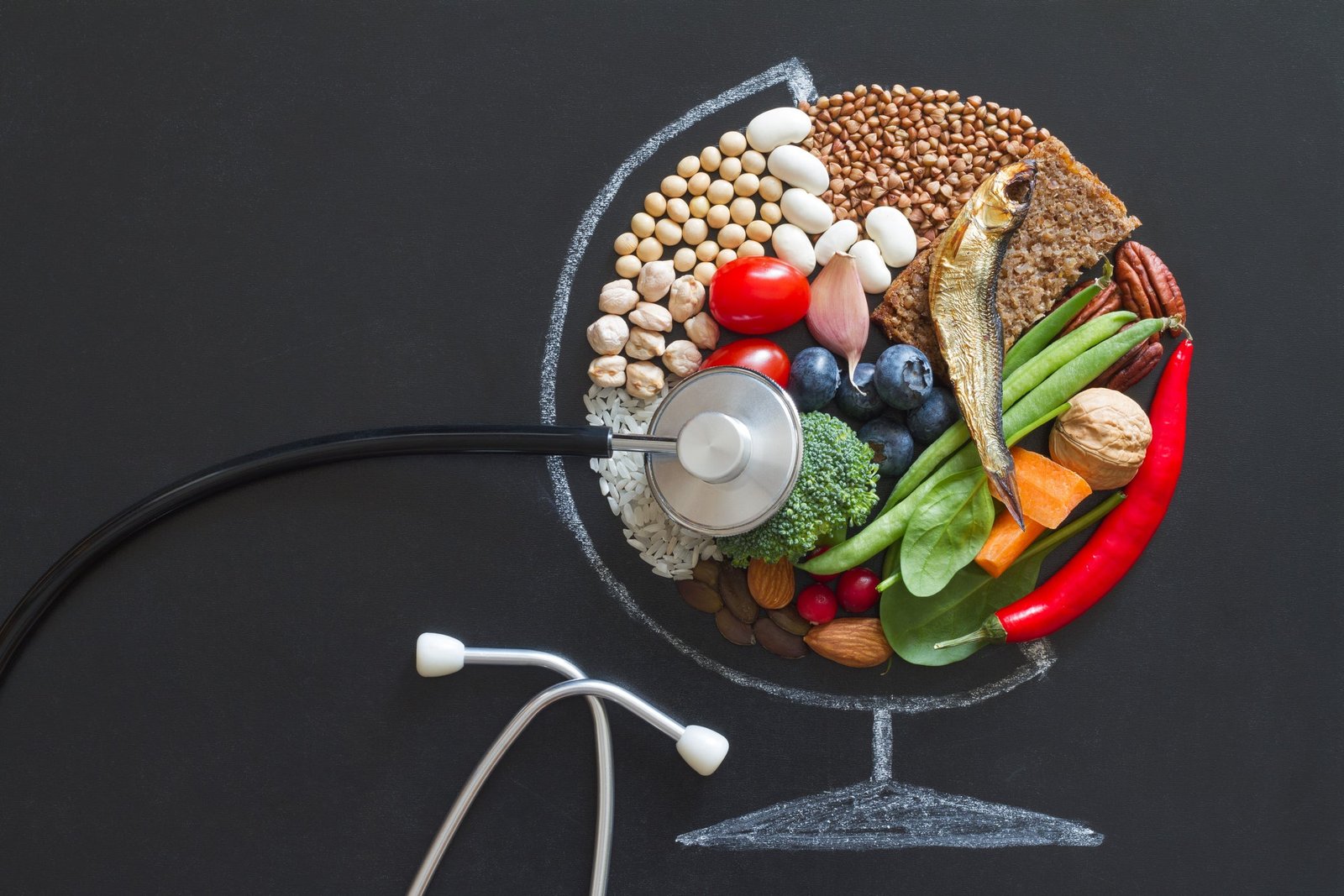
BOSTON, Massachusetts—People who eat a healthy, sustainable diet may be able to significantly reduce their risk of premature death, in addition to their environmental impact, according to a new study led by the Harvard T.H. Chan School of Public Health. This is the first large-scale study to directly evaluate the impact of adhering to the recommendations of the landmark 2019 EAT-Lancet report. The researchers named the dietary pattern outlined in the report, which emphasizes a variety of minimally processed plant-based foods while allowing for moderate consumption of meat and dairy products, the “Planetary Health Diet (PHD).”
The study was published online June 10 in the American Journal of Clinical Nutrition.
“Climate change is pushing the planet towards ecological disaster, and our food system has a major role to play,” said corresponding author Walter Willett, professor of epidemiology and nutrition. “Changing our diets can help slow the progression of climate change, and what’s healthiest for the planet is also healthiest for people.”
Other studies have found that diets emphasizing plant-based foods over animal-based foods could be beneficial for human and planetary health, but most studies use one-time dietary assessments that produce weaker results than those looking at diets over longer periods of time.
The researchers used health data from more than 200,000 women and men who participated in the Nurses’ Health Study I and II and the Health Professionals Follow-up Study. Participants were free of major chronic diseases at the start of the studies and completed dietary questionnaires every four years for up to 34 years. Participants’ diets were scored based on their intake of 15 food groups, including whole grains, vegetables, poultry and nuts, to quantify their adherence to the PHD.
The study found that the top 10% of participants who most closely followed the PHD had a 30% lower risk of early death compared to the bottom 10%. All leading causes of death, including cancer, heart disease and lung disease, were lower with greater adherence to this dietary pattern.
Additionally, the researchers found that farmers who were most compliant with PHDs had significantly less environmental impact than non-compliant farmers, with 29% less greenhouse gas emissions, 21% less fertilizer requirements, and 51% less cropland use.
The researchers noted that reducing land use is particularly important in promoting forest regeneration, which is seen as an effective way to further reduce levels of greenhouse gases that contribute to climate change.
“Our study is noteworthy given that the USDA refuses to consider the environmental impact of dietary choices and upcoming revisions to the US Dietary Guidelines will not allow for any reference to the environmental impact of diet,” Willett said. “Our findings demonstrate how human health and the health of the planet are intertwined. Healthy diets increase environmental sustainability, which is in turn essential to the health and well-being of all people on the planet.”
Other authors from Harvard Chan School include Lin Bui, Fenglei Wang, Chi Sun, Frank Hu, Qiu-Ha Lee, and Marta Guash Ferre.
This research was funded by National Institutes of Health (NIH) research grants UM1 CA186107, P01 CA87969, R01 HL034594, U01 CA176726, U01 CA167552, R01 HL035464, R01 DK120870, and R01 DK126698.
“The Planetary Health Diet Index and Risk of All-Cause and Cause-Specific Mortality in Three Prospective Cohorts”, Linh P. Bui, Tung T. Pham, Fenglei Wang, Boyang Chai, Qi Sun, Frank B. Hu, Kyu Ha Lee, Marta Guasch-Ferre, Walter C. Willett, The American Journal of Clinical Nutrition, 10 June 2024, doi: 10.1016/j.ajcnut.2024.03.019
Visit the Harvard Chan School website for the latest news, press releases, and multimedia content.
Image: iStock/udra
For more information:
Maya Brownstein
Email:
###
Harvard TH Chan School of Public Health brings together passionate experts from many disciplines to educate a new generation of global health leaders and generate powerful ideas that improve the lives and health of people around the world. As a community of leading scientists, educators, and students, we work together to take innovative ideas from the lab into people’s lives. We work not only to achieve scientific breakthroughs, but also to change individual behavior, public policy, and medical practices. Each year, Harvard Chan School’s more than 400 faculty members mentor more than 1,000 full-time students from around the world and train thousands more through online and executive education courses. Founded in 1913 as the Harvard-MIT School of Health Officials, the school is known as the oldest public health professional training program in the United States.
