


At the American Diabetes Association (ADA) 84th Scientific Session, experts discussed how educational nutrition programs are not a one-size-fits-all solution and must be targeted to the community populations they serve.
Image credit: alicja neumiler – stock.adobe.com
Dr. Sarah A. Stotts (PhD, MS, RDN, CDCES) of Colorado State University serves American Indian and Alaska Native people. Dr. Stotts said there are 9.7 million individuals who belong to either or both groups, and about 70% of them live in urban areas.
“What is considered indigenous or native to a particular Indigenous people is usually based on the region, climate, and land they come from – the place they call home,” Stotts says. “We also need to consider the historical destruction of tribal food sovereignty as it relates to colonization, forced removals from Indigenous lands, and the impacts of residential schools.”
She added that there are higher rates of diabetes and related complications among American Indian and Alaska Native patients, and said a multi-layered approach to addressing diabetes health disparities may help solve these issues.Nutrition education for specific audiences is only helpful if that education is tailored to that specific audience, Stotts said.
The What Can You Eat program is a collaborative project between ADA and the Shakopee Mdewakanton community. As part of the program, researchers conducted a needs assessment, literature review, interviews, and focus groups with people living with type 2 diabetes (T2D), families, caregivers, traditional healers, experts, and local food practices. They also conducted a health literacy review. They launched several sites across the United States, collected feedback, and conducted a review evaluation. Researchers then developed a curriculum based on the feedback.
“We ended up with a five-lesson curriculum, with each class including a nutrition lesson and activity, a physical activity component and a mindful nutrition component. Some of the unique features we’re particularly proud of came from feedback from our community,” Stotts says.
Features included original photos from the program, scripted lessons so that non-nutritionists could teach the curriculum, dietary lessons with an emphasis on traditional foods, and placeholders where each member could insert their own traditional foods into the curriculum based on their community.
A year after the program began, the COVID-19 pandemic hit, but the researchers pivoted to offer Zoom-based classes and abbreviated lessons, retained in-person facilitators, and mailed course materials to patients.
“We found that across the curriculum for those who received the immediate intervention, there was a real improvement in self-efficacy for using the Diabetes Plate, confidence in making healthy food choices, and frequency of healthy nutrition behaviors,” Stotts added.
“Food insecurity can have an impact on diabetes management,” Stotts said, and the team plans to continue the program with further research.
Elise Mitchell, MS, MPH, project manager at Produce Prescriptions, discussed food insecurity and the risk of developing diabetes.
“Some of you may have heard of the concept of food as medicine,” Mitchell says, “It’s a framework for policy and behavioral interventions aimed at improving population health by expanding access to healthy foods and increasing food and nutrition security.”
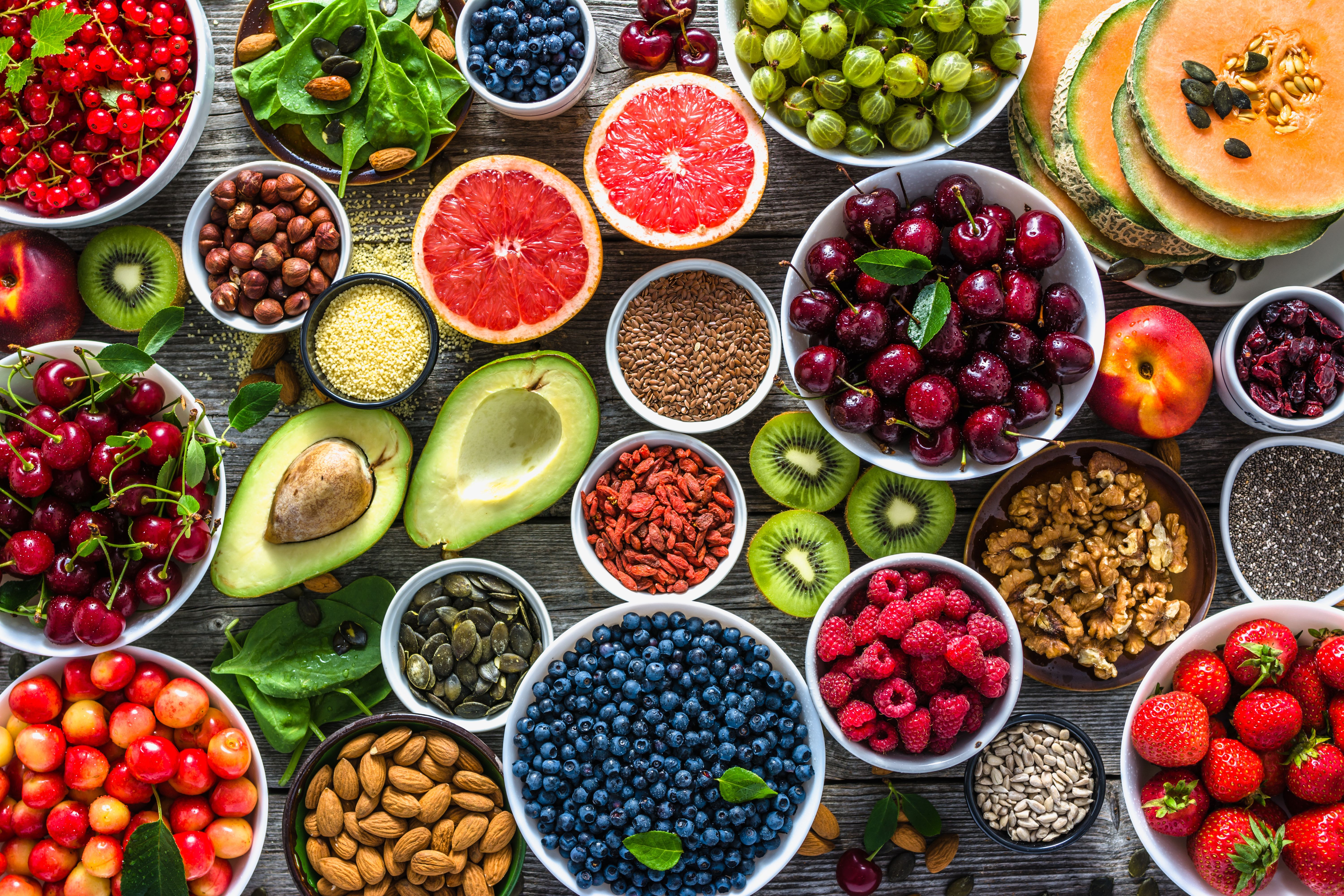
Produce prescriptions are a food-as-medicine approach that allows health care providers to prescribe fruits and vegetables to patients who suffer from food insecurity or diet-related chronic diseases such as diabetes. A prescription is a financial incentive that can be redeemed for fresh fruits and vegetables at participating retailers, Mitchell said. The program is community-based and partners with health care systems.
“This is done on a personal level through the patient-provider relationship, which increases the sustainability of the program,” Mitchell said.
Patients are screened for eligibility at the clinic, which is determined based on characteristics such as income and food insecurity status, diagnosis or risk for certain health conditions, household size, and pregnancy status. Healthcare providers refer patients to the program by directing them to community-based organizations or by writing a referral for reimbursement. Patients may also be required to formally enroll in the program. The program also included nutrition education advocates.
Nationwide, 22,571 people, many of them diabetics, have signed up to use the program to buy about $4.5 million worth of produce, which equates to about $3,000 a month, Mitchell said.
Researchers found that patients’ fruit and vegetable intake increased from 2.6 to 2.8 cups per day, and participants reported improved health. Mitchell said the PPT2D study is currently ongoing, and the primary outcome is a percentage change in hemoglobin A1c. Study subjects will be randomized to receive either standard care or standard care with the produce program for six months.
At baseline, about 71% of the 204-person population reported food insecurity, 70% were in poor or fair health, and 59% had diabetes-related distress. The study is currently ongoing, and researchers hope to evaluate the impact on T2D, cost-effectiveness, feasibility, and best practices.
“Education is the foundation of diabetes and self-management. Research and education on diabetes and self-management helps with blood sugar control, blood pressure control, improving food security and more,” Stotts said.
