

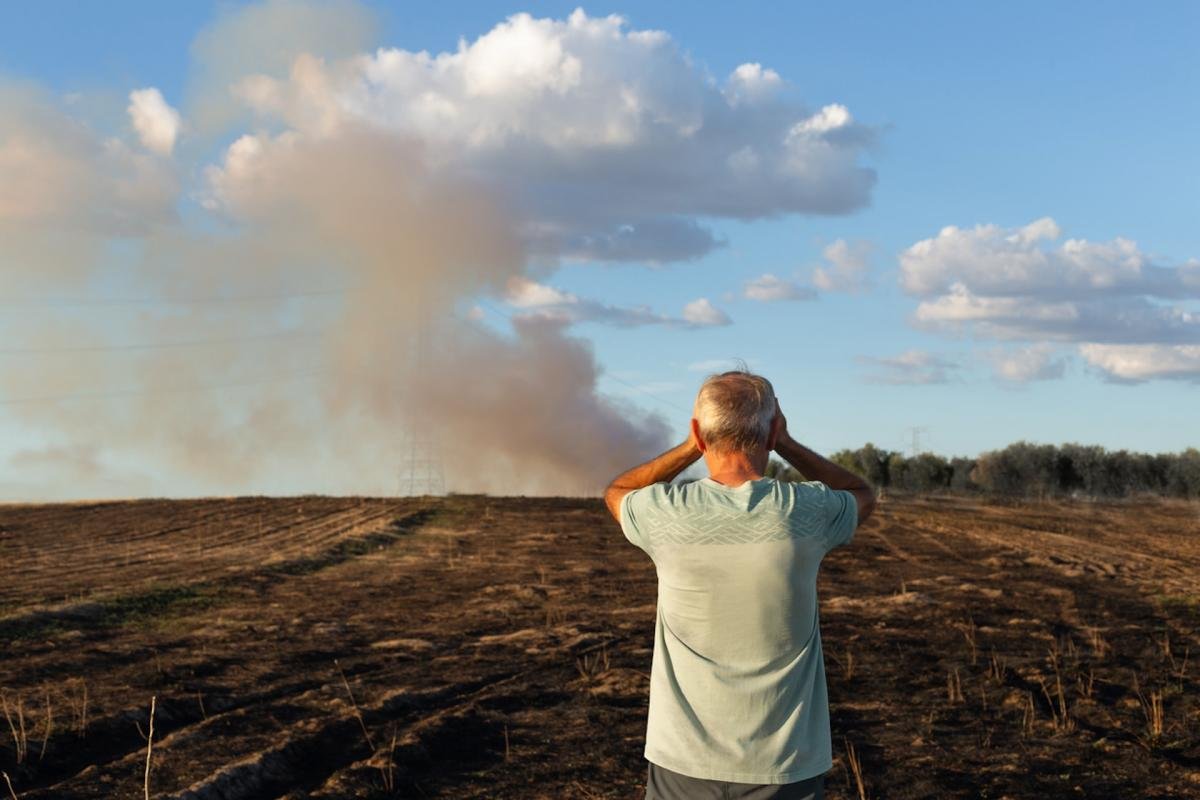
Emerging evidence suggests a link between wildfires and mental health, with increased use of medications to treat conditions such as depression and anxiety following these events.
what’s happening?
Medical Express reported on a study by researchers at the University of Washington that found an increase in prescriptions for treating depression, anxiety and mood stabilization in the six weeks following the wildfires.
The researchers used prescription data, private insurance claims, and pharmacy records. The study focused on California, and looked at the impact of 25 major wildfires that occurred in the state between 2011 and 2018.
According to the authors, while many studies have looked at the physical effects of wildfires, few have focused on their mental health effects.
“Too often we overlook these mental health impacts,” lead author Zach Wettstein told Medical Express. “There are a lot of vulnerable people, and these fires have a huge impact on their mental health, and we need to be prepared for that.”
Why is this study a concern?
As the planet continues to warm, wildfire seasons are expected to get longer and more severe, according to NOAA. The situation has already gotten so bad in California that one major insurance company decided to stop writing new policies in the state.
WATCH NOW: Ultra-wealthy couple makes unprecedented move into $300 million estate
But California won’t be the only state affected by wildfires in the coming decades. A group of researchers say that even areas that have historically been relatively safe from these natural disasters will need to start preparing for them as the world continues to warm. One study estimates that by the middle of this century, more than 125 million Americans will be exposed to unhealthy air for at least one day a year, largely due to increased wildfires.
However, wildfire smoke is not the only air pollutant linked to mental health: air pollution in China, for example, has been correlated with higher suicide rates among older adults.
What is being done about wildfire smoke?
One way to limit the health impacts associated with increasingly devastating wildfire seasons is to reduce our reliance on planet-heating energy sources like natural gas, oil and coal.
As a result, cities around the world are implementing greener policies to cut down on pollution. For example, New York City will require all Lyft and Uber rides to be electric by 2030. Additionally, Tokyo is requiring most new buildings to have solar panels, and Los Angeles has banned gas-powered electricity in all new buildings.
You can help by signing up for community solar, getting an induction cooktop, or installing your own solar panels.
Sign up for our free newsletter for weekly updates on cool innovations Improving Lives and Save the planet.
