

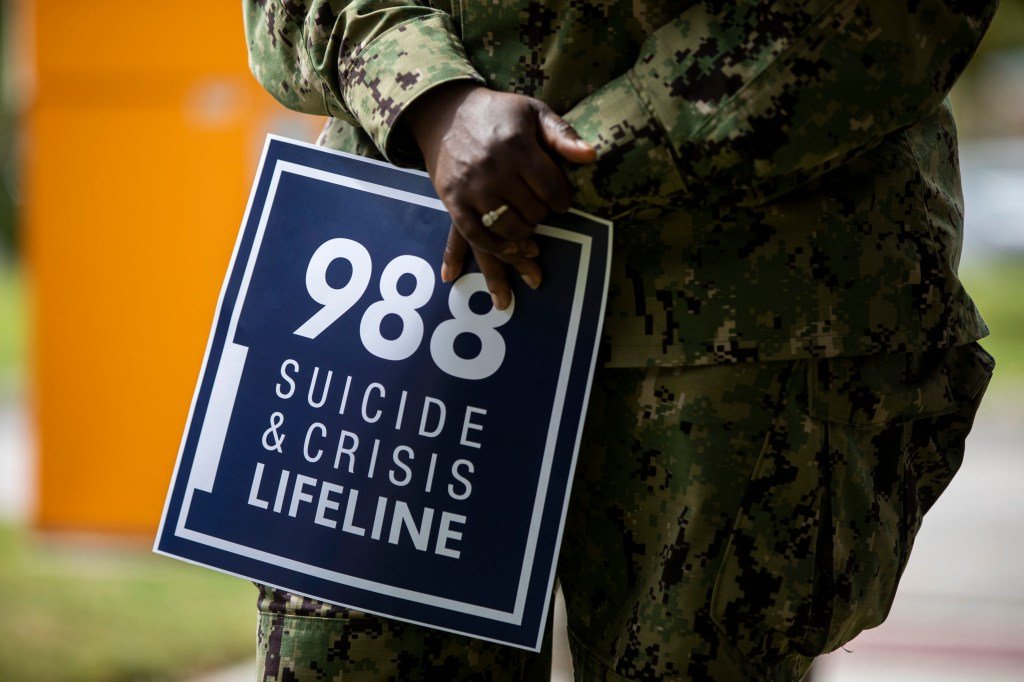
No one wants to talk about suicide, but with the number of suicide victims skyrocketing in this country, we must speak out unashamedly. There is a surging mental health crisis in this country, and we cannot simply ignore or downplay it, but rather we must confront it head on.
This is not an easy conversation, and it will take sustained work to make concrete, effective progress, which Virginia has historically failed to do. But for the well-being of our communities – our families, friends, neighbors, and especially our military personnel – we need to have the tough conversations and do the hard things if we want to make a difference.
Suicide is one of the leading causes of death among Americans overall, and in 2021 it was the leading cause of death after unintentional injuries among 10-14 and 25-34 year olds. That same year, suicide was the third leading cause of death among 15-24 year olds, after unintentional injuries (first) and homicide (second), and the fourth leading cause of death among 35-44 year olds, who had the highest number of deaths by suicide that year (7,862).
Firearm access is a key factor here: A 12-year study by Stanford University researchers found that men who own handguns are eight times more likely to die from self-inflicted gun firearm injury than men who don’t own handguns; women are 35 times more likely.
This does not mean that people who own firearms are more likely to commit suicide, but it does reflect the fact that those who do obtain a firearm and attempt suicide are more likely to be successful, which is why, as we work to strengthen mental health services across the state, we need to place a special focus on access to firearms.
A 2016 study published by the National Institutes of Health, recently featured in the latest issue of The Virginian-Pilot and Daily Press “Shootings” series on gun violence in Hampton Roads, noted that “people go from contemplating suicide to attempting suicide within 30 minutes, sometimes within five minutes,” and that “easy access to guns is a major contributing factor to these attempted suicide deaths.”
This is especially concerning given that our region has a large military population, including active duty and veterans, who are more likely to own firearms and that reported suicide rates in the military community are at an all-time high.
As with other types of gun violence, it’s important to remember that these are people, not statistics. Each suicide is a personal tragedy whose effects ripple through entire communities. Those left behind will spend the rest of their days wondering if they missed the warning signs and what they could have done more.
For people in crisis, access to effective care is paramount. Reducing barriers to receiving help should be a top priority. And Virginia is finally making progress in this area after years of stalling.
The Joint Legislative Subcommittee formed in 2014 was committed to this important effort, proposing over time to significantly expand Virginia’s mental health safety net and make care more readily available to more people in more places. These reforms, and the funding spent to implement them, are making a difference.
Governor Glenn Youngkin has strengthened that effort through his “Get the Right Help, Now” initiative, which has been warmly embraced by the Legislature. The initiative focuses on same-day care by expanding service capacity and reducing criminalization of those in crisis. While it is still a work in progress, the trajectory is positive and commendable.
These efforts should be complemented with measures like waiting periods for firearm purchases and strict enforcement of red flag laws that can prevent tragedies. If easy access to handguns makes it more likely that someone in crisis will make a terrible choice, we need to put some distance between them and their guns.
As with gun violence in general, there are no easy solutions, but by confronting the issue rather than ignoring it, we can change countless lives.
If you or someone you know is in trouble or in crisis, please call or text 988 or chat at 988lifeline.org. Local crisis services can be reached at 757-656-7755.
