

A national conference focusing on mental health issues in the Muslim community, specifically Muslim youth, had been planned long before a 29-year-old man died of a self-inflicted wound at a Winnipeg mosque last weekend. But the tragedy highlights the severity of the current mental health crisis among this demographic and shows why a conference to better understand and respond to the crisis is so necessary.
The “Hope, Advocacy, Healing: The Mental Health Dimensions of Discrimination” conference taking place this weekend at the Hilton Suites Winnipeg Airport is the second national conference hosted by the Canadian Muslim Mental Health Institute, which was founded two years ago by the Islamic Social Services Association.
As documented by the World Health Organization, there has been a significant increase in mental health issues among young people in recent years due to a variety of factors, including social media, social isolation, substance abuse, family relationships, concerns about climate change and the lingering effects of the pandemic. This increase is evident across all youth demographics, regardless of their faith, traditions, cultural practices or socio-economic status.
Louis Dalvan / PEXELS.COM As documented by the World Health Organization, there has been a significant increase in mental health problems among young people in recent years due to a variety of factors.
However, for Canada’s Muslim youth, the situation is exacerbated by other factors.
“Recently, we’ve seen an increase in mental health issues among young people, particularly within Muslim communities,” says Dr. Amjed Abojedi, a psychotherapist based in London, Ontario, and one of the conference’s featured speakers. “This is due to a number of factors, including increased Islamophobia and discrimination, lack of access to services, and stigma surrounding these services.”
“Psychotherapy and counselling are often not considered first-line treatment and there is a lack of awareness among families that mental health issues are temporary symptoms that will improve over time. These misconceptions can complicate the situation,” he continues.
The ongoing conference is looking at a range of factors that affect the mental health of members of the Muslim community, with a particular focus on the issue of anti-Muslim sentiment and discrimination, which has been on the rise across the country.
“The conference will address the impact on the wellbeing of Muslims in Canada. These events are impacting and raising concerns for us as service providers. There is also an increased impact of vicarious trauma and anxiety,” explained Shahina Siddiqui, co-founder of the local Islamic Social Services Association and conference chair.
“The history of Islamophobia predates 9/11,” Siddiqui continues. “Our rights have been violated, hatred is killing Canadian Muslims, discrimination is at an all-time high, and the silencing, ignoring and dismissal of legitimate concerns by political leaders has led to the worst of negative mental health effects.”

“Othering leads to othering of the self, and that’s not healthy, especially for young people aged 12 to 30,” she added.
Mike Thiessen/Free Press Files Shahina Siddiqui is co-founder of the local Islamic Community Service Association.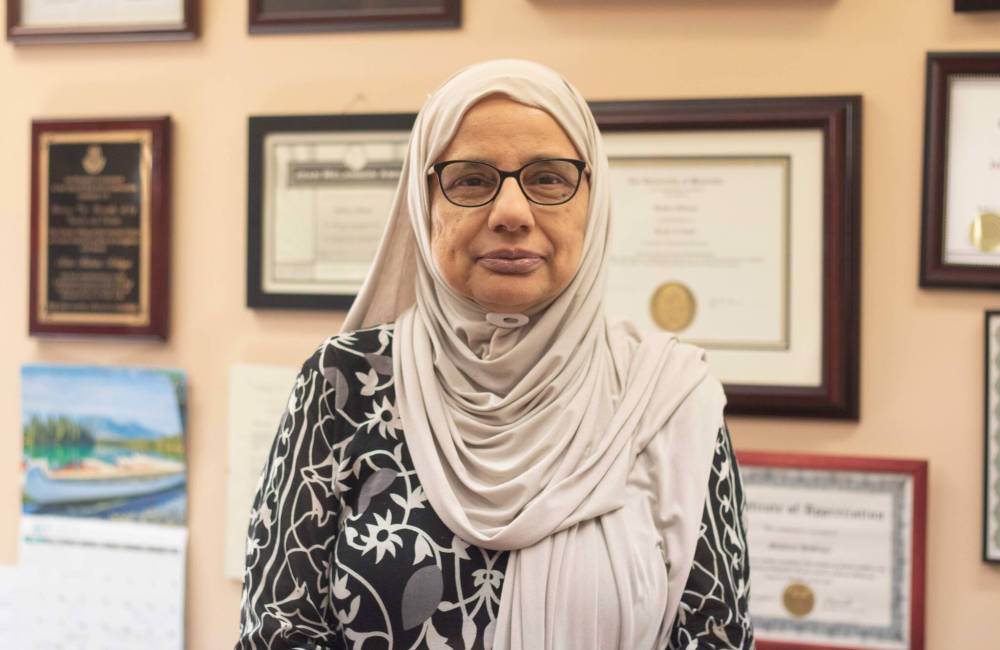
While Siddiqui and Abojedi will be the conference’s keynote speakers, the 60 attending social workers, mental health care providers and religious leaders will have the opportunity to share their experiences and concerns during roundtable discussions. Participants will learn about best practices to build the capacity and resilience of Muslim youth and the need for culturally safe, spiritually inclusive and trauma-informed mental health supports and strategies.
Indeed, creating professional development opportunities for practitioners is an important aspect of the conference.
“Some Muslim communities come from refugee and immigrant backgrounds, have experienced trauma and dealt with stressful situations,” Abojedi explains, “so it’s important that therapists develop the capacity to understand these unique needs and factors and provide culturally sensitive services.”
email address
The Free Press is committed to covering faith in Manitoba. If you like our reporting, help us keep it going! A donation of $10, $25 or more will help us continue to enrich our coverage of faith in the province. Thank you!
Become a supporter of faith journalism
