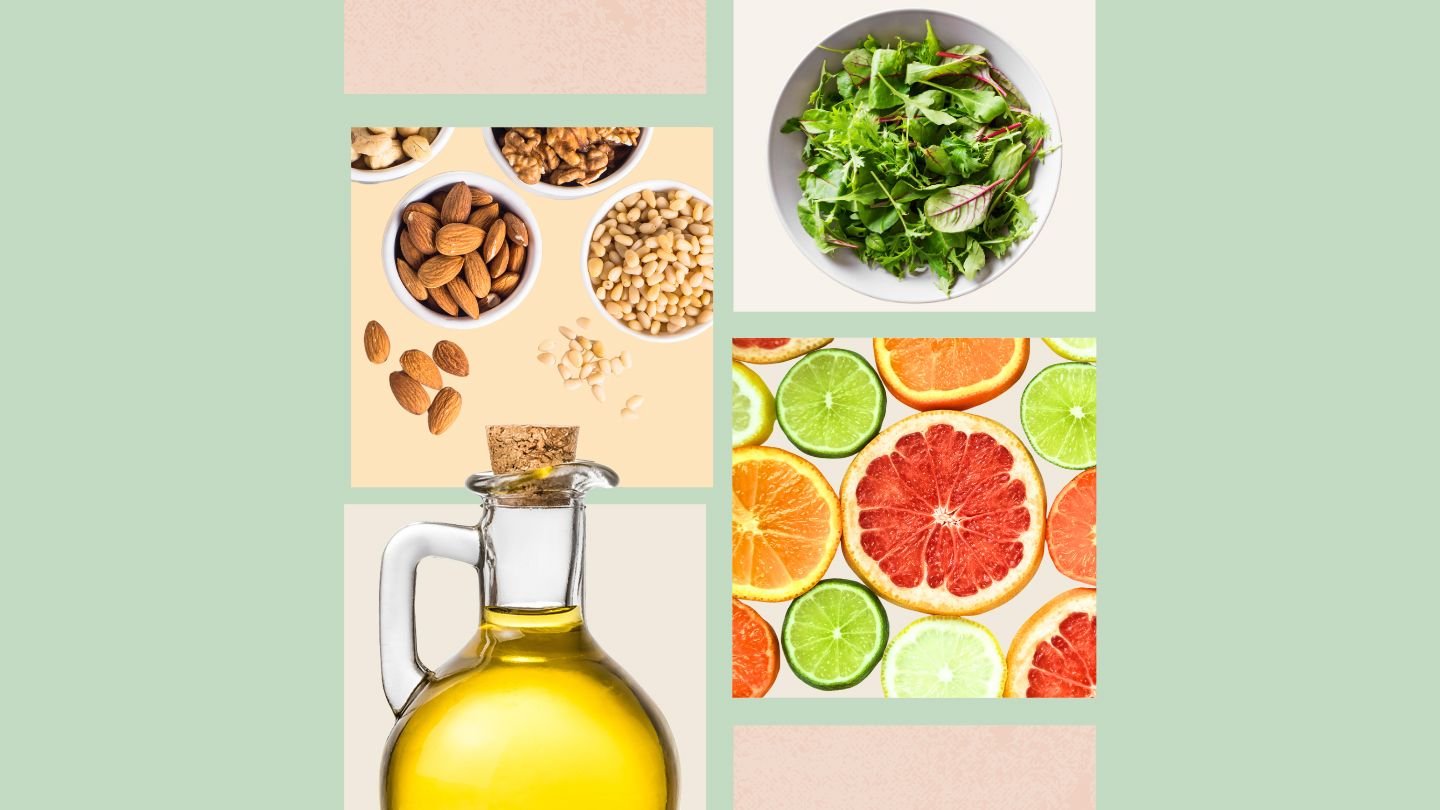
The foods we eat can help reduce (or exacerbate) inflammation.
“Foods labeled ‘anti-inflammatory’ usually contain natural compounds that help the body avoid or fight inflammation,” says Priya Reddy, MD, a rheumatologist at Southwest Florida Rheumatology in Tampa Bay and board member of the Association for Women in Rheumatology.
While some inflammation is good (it’s part of the body’s natural immune response), chronic inflammation can cause or exacerbate many chronic health problems, including type 2 diabetes, heart disease, cancer, and arthritis, says Dr. Reddy. Research shows that incorporating certain foods into your diet is one of many interventions that can help reduce overall inflammation, which may help prevent chronic health conditions, lower the risk of cognitive decline (including memory loss), and slow the progression of disease.
Polyphenols, flavonoids, omega-3 fatty acids, vitamin E, prebiotics and probiotics are some of the main compounds found in anti-inflammatory foods, Reddy says. “Foods that naturally contain these compounds are also rich in dietary fiber, antioxidants, vitamins, minerals, healthy fats and other important nutrients.”
Top 8 Anti-Inflammatory Foods to Include in Your Diet
Just looking at a food can’t always tell you if it will help reduce inflammation, but whole foods (like fruits, vegetables, and plants) that are naturally vibrant in color are often a good option, says Jen Scheinman, R.D., a registered dietitian with a practice in Ossining, New York. “Try to eat foods with a variety of colors to make sure you’re getting all of those powerful anti-inflammatory nutrients.”
An anti-inflammatory diet can start with the following foods:
1. Whole grains
A meta-analysis of nine randomized trials found that people who eat more whole grains tend to have lower inflammatory markers (substances that signal inflammation in the body).
“Whole grains contain several nutrients with anti-inflammatory properties,” says Scheinman. “First, they’re fiber-rich superstars, which helps balance gut flora and reduce inflammation. They also contain several vitamins and antioxidants that help offset chronic inflammation.” These include phenolic acids, phytic acid, lignin, and B vitamins.
Scheinman adds that the effect whole grains have on blood sugar levels also helps reduce inflammation: “Whole grains have a low glycemic load, so they won’t cause a blood sugar spike, which is a good thing because excess sugar can lead to chronic inflammation,” she explains.
Replace refined grain foods like white rice, all-purpose flour, and white bread with whole grain foods like brown rice, oatmeal, and whole wheat flour.
2. Oily fish
Fish such as salmon, tuna, mackerel, herring and anchovies contain high amounts of omega-3 fatty acids, which are polyunsaturated fats that have anti-inflammatory properties. These fats help reduce inflammation by blocking the production of inflammatory substances such as cytokines (a type of protein) and counteracting the inflammatory effects of omega-6 fatty acids in your diet.
A study published in 2021 found that people at high risk for diabetes and cardiovascular disease had reduced markers of inflammation after consuming 4 grams of oily fish daily for eight weeks.
Fish is also a major source of lean protein, which tends to have more anti-inflammatory properties than red or processed meats.
3. Nuts
“Nuts are protein-rich foods, packed with healthy fats and antioxidants, and they help reduce inflammation,” says Scheinman. Research published in 2023 suggests that almonds and walnuts, for example, can reduce C-reactive protein (a protein released in response to inflammation) and other markers of inflammation in the blood.
Meanwhile, the same study found that Brazil nuts may fight oxidative stress, which occurs when there’s an imbalance between free radicals (dangerous molecules that attack beneficial molecules that help the body function) and antioxidants (substances that fight free radicals). This imbalance can trigger an inflammatory response.
Try adding a few nuts to homemade muffins or brownies, sprinkling them on top of oatmeal, or just snacking by the handful.
4. Berries
The jewel-toned colors of berries come from antioxidants called anthocyanins, which research suggests help limit cytokine activity and maintain a healthy balance of free radicals and antioxidants.
Reddy recommends incorporating these delicious, anti-inflammatory fruits into meals, snacks and desserts: Eat lots of fresh strawberries, blueberries, raspberries and blackberries when they’re in season, or keep a bag in the freezer all year round.
5. Legumes
Beans are a lean, anti-inflammatory source of plant-based protein. The key to their effectiveness is, in part, their fiber content. “Beans are high in fiber as well as protein, which may help balance the gut microbiome and reduce inflammatory processes,” says Scheinman.
Additionally, beans such as black beans and kidney beans are rich in antioxidants, and the dark-colored anthocyanins found in berries are also found in black, red, and blue-purple beans. Lentils, on the other hand, are rich in antioxidants called polyphenols.
Add canned or dried beans and legumes to salads and soups, or mix them into dips for an anti-inflammatory snack.
6. Citrus fruits
Oranges contain powerful antioxidants, including vitamin C and flavonoids, which may help reduce inflammation.
For example, a scoping review of 21 studies involving 307 healthy people and 327 people at risk for chronic disease found that people who drank 100% orange juice daily had significantly reduced markers of inflammation (study durations ranged from 2 hours to 31 weeks).
Bright and refreshing citrus fruits to include in your diet include lemons, limes and grapefruit, all of which contain nutrients such as vitamin C, dietary fiber, potassium, B vitamins, flavonoids and carotenoids that may play a role in reducing inflammation.
7. Green leafy vegetables
Whether you toss them on a sandwich, stuff them into pasta shells, or use them as a salad base, leafy greens are great anti-inflammatory agents: A 2019 study found that people who consumed a diet high in leafy greens had reduced levels of inflammatory markers in their blood. Salad vegetables such as spinach, kale, Swiss chard, and arugula are rich in vitamins, minerals, and carotenoids that act as antioxidants. For example, carotenoids block inflammatory pathways in cells and stop the production of cytokines.
8. Olive oil
There’s a reason olive oil is a staple in the much-touted anti-inflammatory Mediterranean diet: its effects on inflammation have been studied extensively, with mostly positive results.
Olive oil contains 70 to 80 percent oleic acid, a fatty acid that helps balance pro- and anti-inflammatory cytokines. Additionally, olive oil contains an antioxidant called oleocanthal, which past studies have shown to have anti-inflammatory properties similar to nonsteroidal anti-inflammatory drugs (NSAIDs) such as ibuprofen.
Reddy recommends using olive oil in recipes where you would normally call for butter: Use olive oil when baking, sautéing, and roasting.
summary
While inflammation can be beneficial in the short term, chronic inflammation can contribute to health conditions such as diabetes, heart disease, arthritis, and even cancer. Many foods contain nutrients that help reduce inflammation. Try to include a variety of anti-inflammatory foods in your diet, such as whole grains, fruits, vegetables, oily fish, legumes, nuts, and olive oil.