

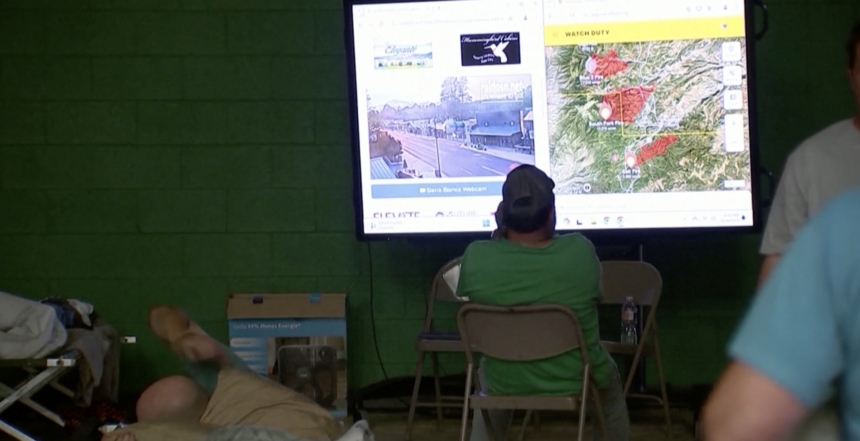
RUIDOSO, N.M. (KVIA) — The ongoing wildfires in New Mexico have forced thousands of residents to flee their homes, leaving many feeling fearful and anxious. The suddenness and unexpectedness of these evacuations can have serious mental health effects, causing symptoms like PTSD, anxiety and depression.
ABC-7 spoke with Kristen Weindorf, associate director of the Emergency Management Team at Emergence Health Network, who said emergencies like these leave residents with little time to prepare, adding to the trauma of having to leave their homes and belongings behind.
“Maybe their memory is fading, so maybe they get from Ruidoso to El Paso and realize, oh, I forgot my work computer, I forgot my phone, and then they get even more stressed about not only their home and their belongings, but all the things they’ve lost,” Weindorf explains.
Weindorf says it’s crucial for people to rely on each other in situations like this, and support systems can provide additional support during an ongoing crisis. “We need to avoid saying things like, ‘It could have been worse,'” he adds. “That’s not very helpful, because for a lot of people this is the worst-case scenario. It’s important to put yourself in their shoes.”
Emergency responders face unique challenges as well. Not only do firefighters face the physical challenges of battling blazes, but the situation also takes a psychological toll. The reality of facing such tense and unpredictable situations can lead to feelings of helplessness and hopelessness.
Weindorf notes that anyone affected by a fire, including firefighters, often goes through a state of shock. PTSD symptoms can also manifest later, she says. “It could show up sometime that day, at the end of a shift, two weeks later, or even a year later. Often times, people are able to bottle up their emotions and something might happen that triggers a memory. They may have flashbacks and find they haven’t been able to process the experience.”
Emergence Health Network encourages anyone affected to speak to a mental health professional and has a 24/7 crisis clinic and additional support is available through the national hotline 988.
