

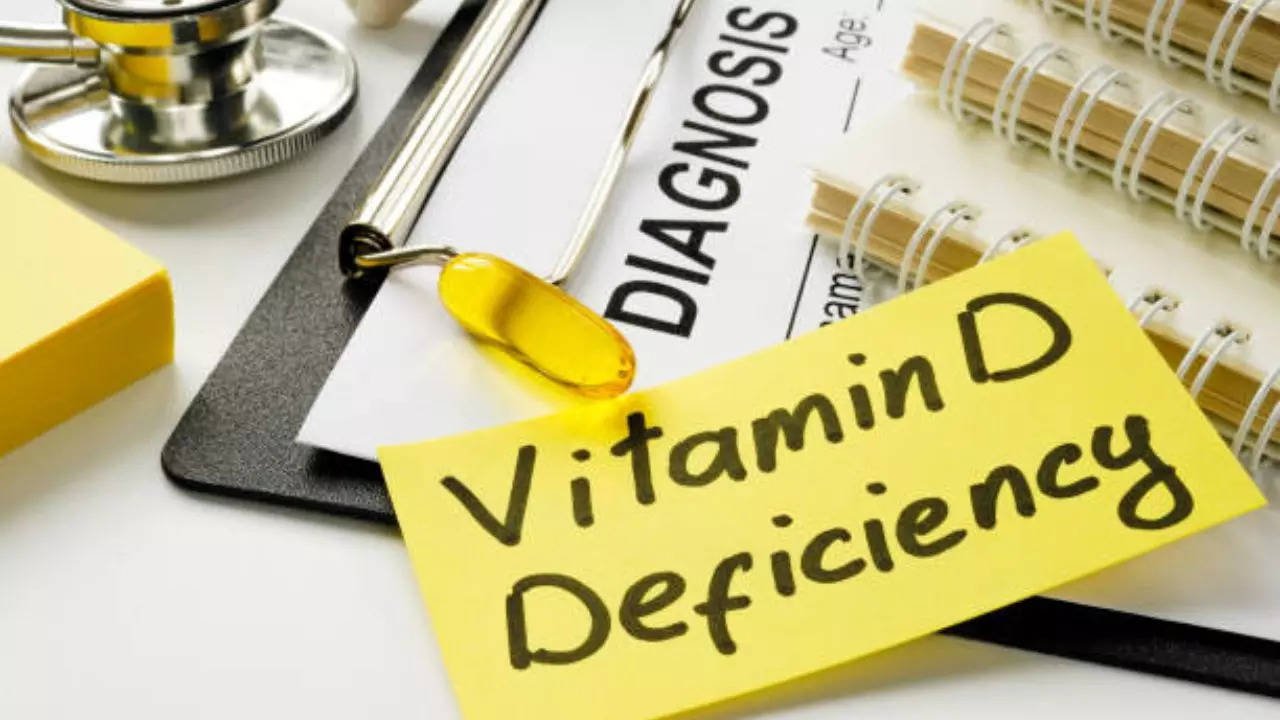
Vitamin D deficiency is a common health issue that is often overlooked and can lead to serious health problems. Therefore, it is important to recognize the signs and symptoms of low Vitamin D levels and take steps to manage your health and improve your overall quality of life. Here we have listed some common signs and symptoms that may be indicators of Vitamin D deficiency. Read on.
Are you always tired? It could be a sign of vitamin D deficiency (Image credit: iStock)
Most of us are tied to desk jobs that keep us indoors and away from the sun. Vitamin D deficiency It has become a common health problem affecting millions of people worldwide. Known as the “sunshine vitamin,” Vitamin D Vitamin D is essential for maintaining bone health, supporting immune function and promoting overall wellness, yet despite its vital role in our health, many people are unaware of the signs and symptoms that could indicate low Vitamin D levels.
Vitamin D, also known as the “sunshine vitamin,” is essential for maintaining healthy bones, teeth, and immune function. Therefore, knowing the signs of low Vitamin D levels is essential as it can help you take proactive measures to improve your overall health. Here we have listed common symptoms, risk factors, and preventive measures for Vitamin D deficiency.
Common symptoms of low vitamin D levels
One of the most common yet often overlooked signs of vitamin D deficiency is persistent fatigue. Even after getting enough sleep, people with low vitamin D levels may feel tired and lethargic. This fatigue can affect daily activities and overall productivity.
Vitamin D plays an important role in calcium absorption. Bone HealthA deficiency can cause bone pain and back pain, which are often more noticeable during physical activity or when pressure is placed on the bones.
Vitamin D is essential for a strong immune system. Low vitamin D levels reduce the body’s ability to fight infections and lead to more frequent colds, flu, and other respiratory illnesses. People with a vitamin D deficiency may get sick more often than usual.
Depression and mood swings
There is a well-known link between vitamin D deficiency and mood disorders. A lack of this vitamin can lead to depression, especially in older adults. Mood swings, anxiety, and sadness can also be signs of vitamin D deficiency.
Slow healing of cuts, bruises, and wounds could be a sign of low levels of Vitamin D. This vitamin is essential for tissue growth and repair, and a deficiency can slow down the body’s natural healing process.
Hair loss can be caused by a variety of factors, but severe hair loss can be a sign of vitamin D deficiency. This is especially true in the case of alopecia areata, an autoimmune disease characterized by sudden hair loss.
Muscle pain and weakness are common symptoms of low vitamin D levels. This vitamin is involved in muscle function, and a deficiency can cause discomfort and weakness, often making it difficult to carry out everyday tasks.
Research has shown that certain groups of people are at higher risk of developing vitamin D deficiency. This includes:
People who live in areas with limited sunlight, work indoors, or cover their skin may not get enough vitamin D from sunlight.
Darker skinned people have more melanin, which can reduce the skin’s ability to produce vitamin D from sunlight, making them more susceptible to vitamin D deficiency.
As we age, our skin is less able to synthesize vitamin D. Older people may spend more time indoors and have dietary habits that prevent them from getting enough vitamin D.
Vitamin D is fat-soluble, meaning it can be stored in fat cells. People with a high percentage of body fat may have low levels of vitamin D in their body because vitamin D gets trapped in fat tissue.
Certain medical conditions
Diseases such as Crohn’s disease, celiac disease, and other gastrointestinal issues can affect the absorption of vitamin D from food.
Prevention and Treatment
Recent studies have shown that vitamin D deficiency can be corrected through a combination of lifestyle changes, dietary adjustments, and in some cases, taking supplements.
Being outdoors in sunlight can help boost your vitamin D levels. Depending on your skin type and local climate, try to get 10 to 30 minutes of sunlight at midday a few times a week.
Include foods rich in vitamin D in your diet. This includes oily fish (such as salmon and mackerel), egg yolks, fortified dairy products, and sun-exposed mushrooms.
Vitamin D supplements are an effective way to ensure adequate intake, especially for those at high risk of deficiency. Before starting to take a supplement, it is essential to consult with a healthcare professional to determine the appropriate dosage.
Regular blood tests can help monitor vitamin D levels, allowing for timely intervention if levels drop.
