

Perhaps you have seen 30-30-30 is a three-part morning routine touted as a weight loss miracle on TikTok. This simple approach to setting your day focuses on the number 30 (obviously) and applies it to food and exercise.
The 30-30-30 plan isn’t a diet, at least in the traditional sense, but rather a daily routine designed to build a foundation for strong mornings and a fulfilling day, although some proponents of the 30-30-30 plan claim that the approach can help you lose weight.
Can such a simple approach really help you lose weight? And does the science behind the 30-30-30 method work? Let’s take a closer look.
What is the 30-30-30 Diet?
30-30-30 Plan Although the diet became a hot topic after biohacker Gary Brecka introduced it on TikTok, the diet itself dates back to a 2010 book. 4 hour body By Tim Ferriss. It’s simple: Eat 30 grams of protein within 30 minutes of waking up. Then do 30 minutes of low-intensity aerobic exercise with a heart rate below 135 beats per minute.
Many social media influencers have touted 30-30-30 as a weight-loss strategy (though Brecka said he’s never seen such a diet “strip people’s fat.”) The way 30-30-30 works to lose fat is by eating a protein-rich breakfast, which protects muscle so that you burn fat instead of lean body mass during your subsequent workout.
Does the 30-30-30 diet work?
That’s a bit This is a complicated question, mainly because while 30-30-30 is based on some important healthy habits, it oversimplifies diet and exercise by leaving out some key elements.
But let’s start with what makes sense.
Protein is a staple of a smart breakfast.
Research suggests that a high-protein diet may help you lose body fat and preserve muscle mass by making you feel fuller and eating less overall. Experts recommend consuming 1.2 to 1.6 grams of protein per kilogram of body weight per day.
So why not start with 30 grams first thing in the morning? “This method ensures you get a good amount of protein in first thing in the morning, which may help you meet your protein goals throughout the day,” says Sarah Keathley, MS, RD, LD, registered dietitian at Top Nutrition Coaching. Nutrition Review There has also been a link between a high-protein breakfast and increased muscle mass.
An early breakfast is a good breakfast.
While there’s no magic 30-minute window for eating breakfast, eating it earlier is a good idea. BMC Nutrition It turns out that people who eat breakfast earlier after waking up tend to have healthier breakfasts, perhaps because they’re less pressed for time. European Journal of Nutrition For men, eating earlier has been shown to improve metabolic health, including insulin function, possibly because blood sugar processing is most efficient after a night’s sleep.
Morning workouts help you get moving.
Rules like these can help you be honest about your exercise habits. “Many of us are physically inactive, so this is a benefit, especially getting active first thing in the morning before sitting at a desk all day,” Keathley says.
You immediately start thinking about your health.
A lesser known benefit of the 30-30-30 plan is mindfulness., “It makes you think about food, your nutrition plan for the day, how you incorporate exercise and, hopefully, the quality of what you’re eating,” Keathley says.
That’s all good. And it’s goodBut the reason 30-30-30 doesn’t work is because science hasn’t yet proven that there’s any magic to this combination. More research is needed to show whether the combination is effective. “Currently, there are no studies that directly look at the 30-30-30 method and its impact on individual populations,” says Keathley.
Moreover, although 30-30-30 is simple and easy to remember, its simplicity can also be a problem. The disadvantages of this strategy are:

30-30-30 Calories are ignored.
“While protein is a great macronutrient that our bodies need to function, weight loss primarily comes from a calorie deficit,” says Keathley. “When you’re in a calorie deficit, your body will tap into stored fat stores for energy, which leads to weight loss.”
A one-size-fits-all training plan may not suit you…
The 30-30-30 plan “does not take into account that each individual may require different levels of physical activity to best meet their health needs,” Keathley says.
…or not work at all.
Low-intensity aerobic exercise has produced mixed results in research studies. Medicine and Science in Sports and ExerciseMiddle-aged people who did exercise similar to the 30-30-30 plan’s light, steady-state aerobic exercise didn’t lose as much weight over 24 weeks. obesity They found that similar levels of exercise helped participants lose about six pounds over 12 weeks, but it didn’t matter whether they worked out in the morning or evening.
“Exercise alone rarely leads to weight loss,” says Leanne Redman, MS, PhD, FTOS, professor of clinical sciences at the Pennington Biomedical Research Center. “There are a few reasons for this.”
There are limits to what a morning workout can do for you. For one, without tracking your overall activity and adjusting your diet, it’s easy to take in more calories than you burn. Plus, the calories you burn through exercise are often fewer than you burn elsewhere during the day, so “for most people, exercise’s net impact on daily calories is small,” she says.
Should I go on the 30-30-30 diet?
Maybe?HE 30-30-30 While dieting may not be the secret to dramatic weight loss, it might help you establish a healthy morning routine. “When implementing any plan, be careful and make it realistic for your lifestyle needs,” says Keathley. “With any nutrition journey, the end goal is to create healthy, sustainable habits.”
For a quality breakfast with at least 30 grams of protein, try:
Protein Drink
If you don’t eat much in the morning, a protein drink (either pre-made or mixed with protein powder) can give you 30 grams quickly.
egg
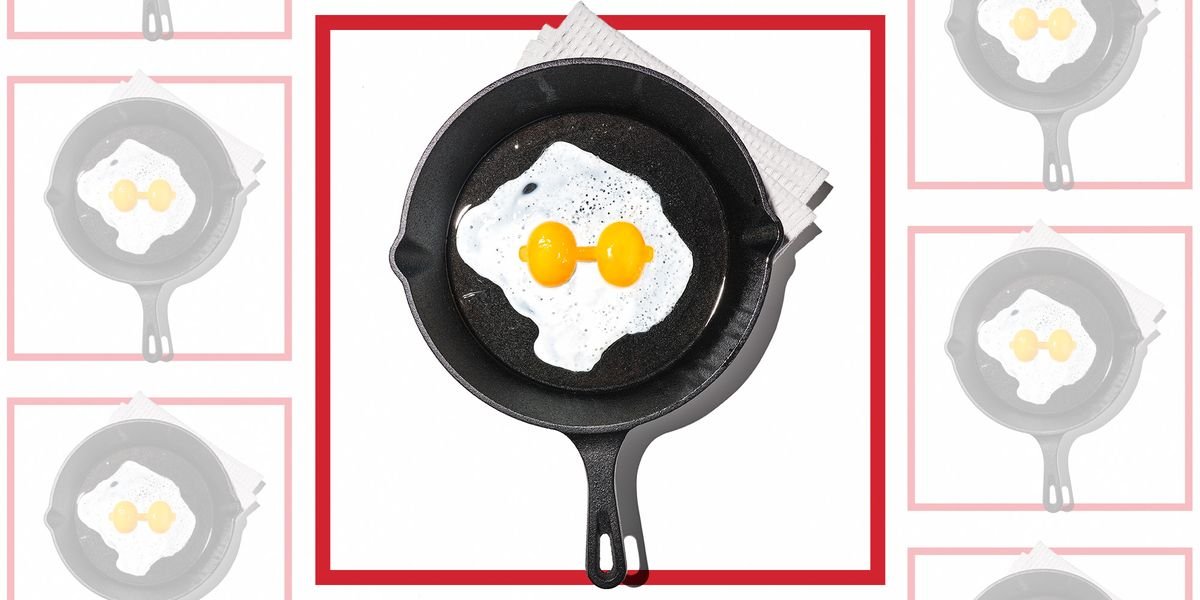
“One large egg has about 6 grams of protein. Pair a few eggs with some lean meat or a high-fiber grain for a complete meal. Or cook them in an egg dish or make an omelet. The options are endless,” says Keathley.
Yogurt
Choose a high-protein, low-sugar yogurt, such as nonfat Greek yogurt.
High Protein Oats
Add lean protein by mixing oatmeal with egg whites, nut butter, nuts, seeds, quinoa, powdered peanut butter, or protein powder.

Julie Stewart is a writer and content strategist whose work is health, and Women’s Health, Everyday Health, Vice, and shape.
