

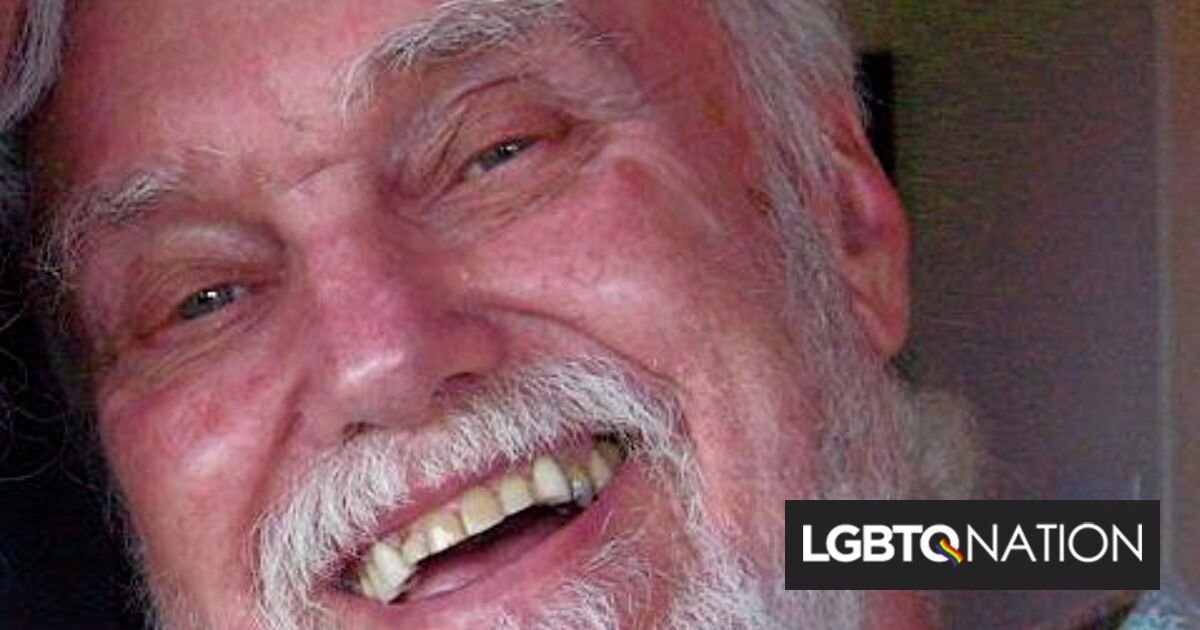
In the realm of spirituality and self-discovery, few figures emerge more vividly than Ram Dass. Born Richard Alpert, his path from Harvard psychologist to spiritual guru had a profound influence on modern spirituality and the counterculture movement of the 1960s and ’70s.
Known for his groundbreaking work blending Eastern philosophy with Western psychology, Ram Dass’ teachings have influenced countless lives, but his coming out about his sexual orientation late in life added a new chapter to his legacy, making him a pioneer for inclusivity and acceptance.
Ram Dass’ cultural importance is deeply rooted in his role as a bridge between Eastern and Western spiritual traditions: after a spectacular journey to India where he became a disciple of the revered Neem Karoli Baba, he returned to the West with profound insights into Hindu philosophy, meditation and yoga.
His masterpiece, Be Here Now, published in 1971, became a spiritual classic, demystifying these practices for a Western audience. A unique blend of art, storytelling, and spiritual instruction, the book resonated with a wide audience and cemented Ram Dass’s place in the spiritual revolution of his time.
Never miss a beat
Subscribe to our newsletter for the latest LGBTQ+ politics news and insight.
His insightful talks have also inspired some fantastic musical remixes.
Prior to his spiritual transformation, Richard Alpert was a prominent psychologist and professor at Harvard University. Together with Timothy Leary, he conducted pioneering research into the therapeutic effects of psychedelic drugs. Despite controversy and his eventual dismissal from Harvard, their work laid the foundation for today’s renewed interest in psychedelic drugs in mental health treatment. Ram Dass’ background in psychology enabled him to integrate psychological insights with spiritual teachings to offer a holistic approach to personal growth and self-understanding.
Throughout his life, Ram Dass emphasized the importance of selfless service (seva) and compassion. His organization, the Seva Foundation, has undertaken numerous humanitarian projects, including preventing and curing blindness in developing countries. This focus on service as a path to spiritual growth inspired many people to take up philanthropic and volunteer work, further spreading his influence beyond traditional spiritual circles.
Late in life, Ram Dass openly embraced his bisexuality and became a voice for inclusivity within the spiritual community. This admission was significant, as it challenged and broadened conservative views of sexuality in many spiritual traditions. By coming out, Ram Dass not only provided expression, but also reinforced the idea that spiritual authenticity includes embracing all aspects of oneself.
Since suffering a severe stroke in 1997, Ram Dass has demonstrated personal resilience and further strengthened his role as a teacher and mentor. Despite physical limitations, he continued to teach and write, using his suffering as a powerful lesson on acceptance, presence, and the human condition. His honesty and openness about his suffering offered profound lessons on living a fulfilling life and embracing life’s challenges.
His legacy is a guiding light for those seeking spiritual depth, psychological understanding, and a more inclusive world.
Don’t forget to share:
Good News is your queer delight. Subscribe to our newsletter to get the most positive and entertaining stories from the site delivered to your inbox every weekend. Send us your suggestions for uplifting and inspiring stories.
