

It’s normal to experience periods of low mood from time to time, but it’s important to distinguish between feeling low and experiencing depression.
Depression is characterized by long-term feelings of sadness, irritability, emptiness, and a lack of interest in activities that you once enjoyed. If you have or think you may have depression, it is essential to seek help.
There are five classifications of depressive disorders: major depressive disorder (MDD), disruptive mood dysregulation disorder, persistent depression, premenstrual dysphoric disorder, and depression due to other medical conditions.
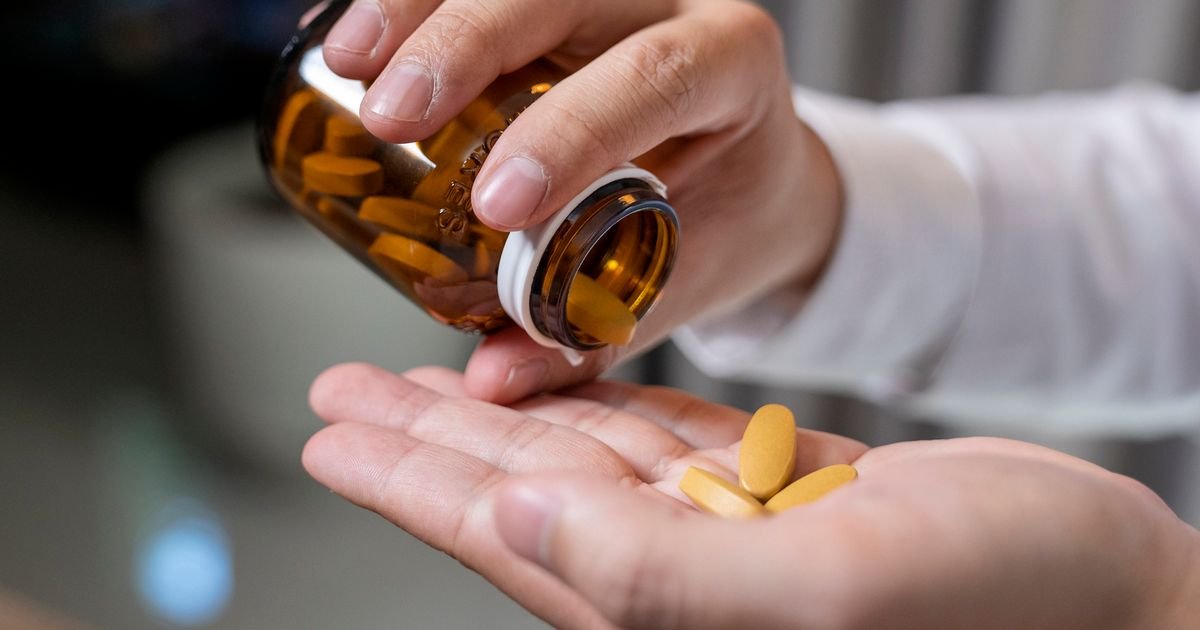
Medication and psychotherapy are commonly used to treat depression. Lifestyle changes, such as adjusting your diet and taking certain supplements, can also aid recovery and reduce the risk of relapse.
Studies have found that certain vitamins, minerals, and herbs may ease symptoms of depression, but be sure to talk to your doctor before trying any supplements or making any major changes to your diet or lifestyle.
Consulting with a medical professional before trying a new supplement can help ensure its safety and suitability for your personal needs. It is important to note that while some supplements can help manage depression, they cannot cure it completely.
7 supplements at a glance
- Rhodiola
- saffron
- Omega-3
- Vitamin D
- Vitamin B
- zinc
- magnesium
1. Rhodiola
The herbal supplement Rhodiola is known to provide many health benefits when taken, including reducing symptoms of depression and improving the body’s ability to handle stress.
The herb is thought to benefit those with depression by reducing overactivity in the hypothalamic-pituitary-adrenal (HPA) axis, the main stress response system, and has also been shown to affect neurotransmitter receptors and molecular networks in the brain.
Studies have shown that depressed adults who took Rhodiola daily for six or 12 weeks experienced a significant reduction in their symptoms. A box of Holland & Barrett’s Traditional Herbal Medicines (£18.99) is said to temporarily relieve stress-related symptoms such as fatigue, exhaustion and mild anxiety.
2.SAfran
Saffron, a brightly scented spice, contains antioxidant compounds such as crocin and crocetin. Saffron, in particular, has demonstrated potential as a natural treatment for depression.
Research has shown that saffron has the ability to increase serotonin levels in the brain, which can have a mood-boosting effect. Although the exact mechanism is still unknown, it is speculated that saffron may block the reuptake of serotonin, allowing it to remain in the brain for longer.
In 2019, two studies proved that saffron had a significant effect on reducing the severity of depression and was more effective than a placebo. Another study also found that saffron supplements were as effective as antidepressants in reducing symptoms of depression.
3. Omega-3
Omega-3 fats are an important type of fat that you should get from your diet, and research suggests that omega-3 supplements may help ease symptoms of depression in certain people.
A 2020 review of 10 studies involving 910 people diagnosed with major depressive disorder (MDD) found that omega-3 supplements were better than placebo treatment in relieving symptoms of depression.
Other studies have also shown that people with depression may benefit most from supplements high in the omega-3 fatty acid eicosapentaenoic acid (EPA). Experts say it’s best to choose an omega-3 supplement with at least 1,000 mg of EPA.
Despite these promising results, further research is needed to explore the impact of omega-3 supplements on symptoms of depression.
4. Vitamin D
Vitamin D is an essential nutrient that plays many important roles in the body, but a significant number of people, including those with depression, often don’t get enough vitamin D.
Several studies have shown that people who suffer from depression are prone to deficiencies in Vitamin D. People with this condition often have lower Vitamin D levels compared to the average population, and those with the lowest levels usually experience more severe depressive symptoms.
However, it is important to note that it is still unclear whether vitamin D supplements are only beneficial for people with vitamin D deficiency.
5. Vitamin B
B vitamins are essential for maintaining brain function and regulating mood. B vitamins, such as folate, B12, and B6, play a key role in the production and regulation of mood-affecting chemicals in the brain, including serotonin, gamma-aminobutyric acid (GABA), and dopamine.
Research has shown that deficiencies in vitamin B12 and folate may increase the likelihood of depression. Vitamin B6, combined with other nutrients such as tryptophan and nicotinamide, has been shown to improve mood and reduce symptoms of depression.
A B-complex supplement containing all eight B vitamins may be a good choice because of its potential benefits for people with depression.
6. Zinc
Zinc maintains brain health and regulates neurotransmitter pathways. It also has antioxidant and anti-inflammatory properties. Research shows that zinc deficiency is closely linked to an increased likelihood of experiencing depression and more severe depressive symptoms.
A 2020 study found that taking zinc supplements significantly reduced the severity of symptoms in people with depression.
7. magnesium
Magnesium may help people suffering from depression: Many people who suffer from depression often have low magnesium levels, but research shows that taking magnesium supplements may help ease symptoms of depression.
There is also evidence that insufficient daily intake of magnesium is strongly associated with an increased likelihood of developing depression, especially in young adults.
How to get help:
Anxiety Care UK: Helping people with anxiety disorders – anxietycare.org.uk
Anxiety UK: Advice and support for people living with anxiety – 03444 775 774 (helpline), 07537 416 905 (text) or anxietyuk.org.uk.
British Association for Counselling and Psychotherapy (BACP) : the professional body for talking therapies and counselling. Provides information and lists of accredited therapists – bacp.co.uk
Preferred location: UK National Mental Health Services Database – hubofhope.co.uk
heart: The Mind helpline provides information and support by phone and email, and Side by Side is a supportive online community for anyone experiencing mental health issues.
NHS Service Finder: Searchable database of NHS services – nhs.uk/service-search (England) and 111.wales.nhs.uk/localservices (Wales)
NHS talking therapy introduction: Information about local NHS talking therapy services for specific mental health issues – nhs.uk/service-search/mental-health/find-an-nhs-talking-therapies-service
No more panic: Providing information, support and advice for sufferers of panic attacks, anxiety, phobias and OCD, including forums and chat rooms – nomorepanic.co.uk
Don’t panic: Provides helplines, step-by-step programmes and support for people with anxiety disorders – nopanic.org.uk
Samaritan: Samaritans is open 24/7 for anyone wanting to talk – samaritans.org
Overcoming fears (TOP UK): Providing self-help therapy groups and support for people with OCD, phobias and related anxiety disorders – topuk.org
