

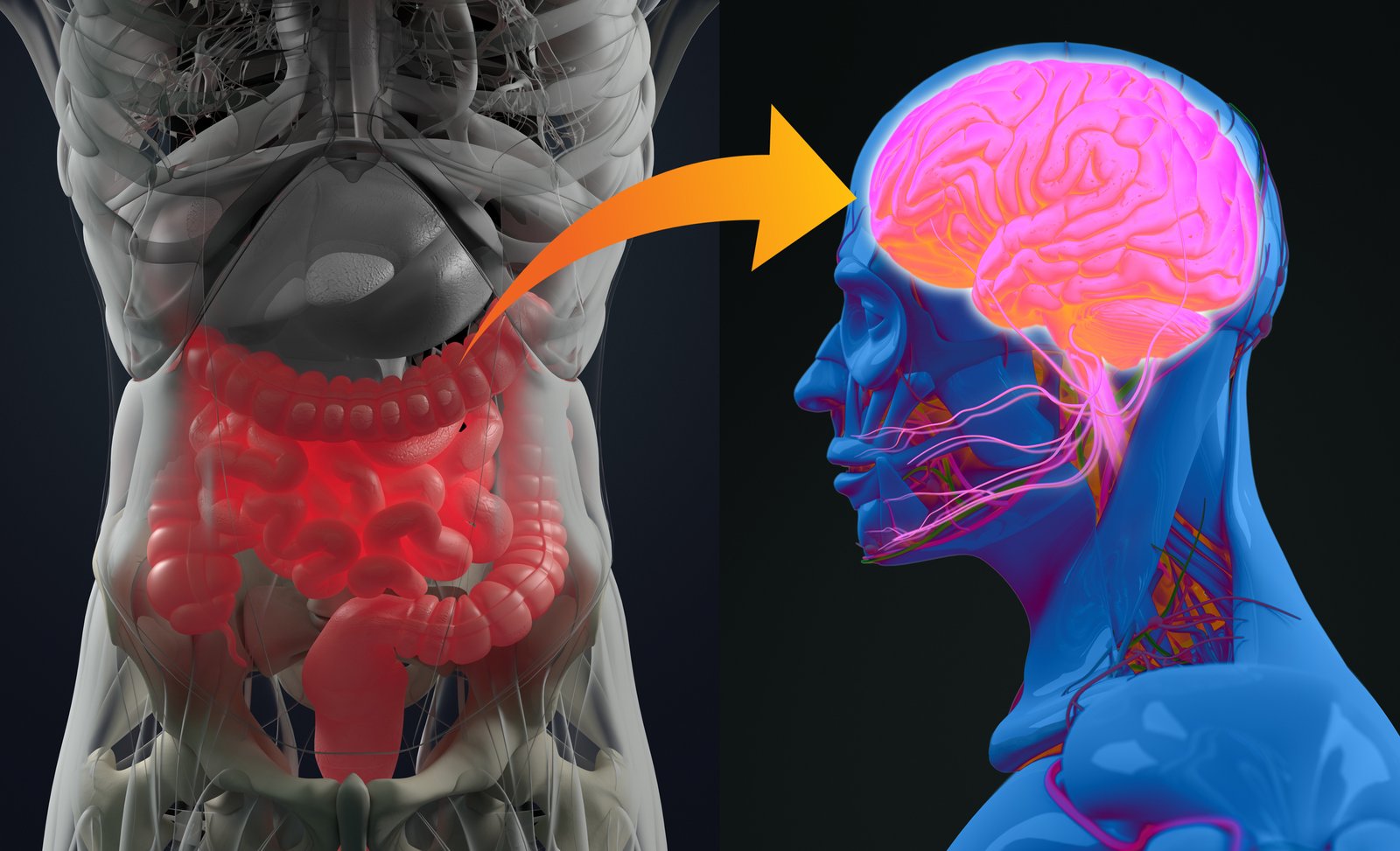
Published in a journal NutrientsThis paper highlights recent advances in specific nutritional strategies, brain conditioning, and muscle recovery with a focus on promoting brain health in competitive athletes and individuals with various activity levels.
Researchers from the University of Gdańsk in Poland conducted a comprehensive bibliographic search in the PubMed database and noted emerging evidence regarding the importance of the gut-brain-muscle axis.
“Investigating the interplay between nutritional strategies, brain-modulation techniques and muscle recovery may provide valuable insights for promoting overall brain health and cognitive function, and improving sports performance,” the report states.
“Nutritional strategies that include various vitamins, antioxidants and essential nutrients not only improve sleep quality but also play an important role in promoting beneficial changes in the gut microbiota. Furthermore, they modulate the protective and regenerative processes of the gut microbiota. [central nervous system] and skeletal muscle.”
The researchers came up with the acronym SPARKS – sleep, probiotics, antioxidants, regeneration, maintaining optimal training, supplements and a balanced diet – as a way of remembering the main factors that contribute to the functioning and regeneration processes of the gut-brain-muscle system.
The acronym SMOULDER (sleep dysregulation, mood disorders, overtraining, imbalanced diet, high inflammation, gut microbiota disturbance, excessive oxidative stress, impaired regeneration) can be used to recall lifestyle characteristics that may negatively impact the functioning of this axis, the researchers said.
Supplements for sleep
The researchers found that melatonin (no“Tryptophan (Trp) is regulated by the circadian cycle and influences sleep timing, nocturnal blood pressure, and body temperature, as well as protecting against oxidative stress, regulating energy metabolism, and acting on the immune system. The researchers added that tryptophan (Trp) is crucial as the main precursor in the synthesis of melatonin in the brain.”
“Tryptophan needs to cross the blood-brain barrier (BBB) in competition with other neutral amino acids, resulting in elevated plasma tryptophan concentrations that favor its transport to the brain,” the researchers explained.
The review outlines several studies that show that consuming foods high in tryptophan (such as milk, cheese, chicken, fish, eggs, pumpkin seeds, nuts, and beans) in the evening may improve sleep quality and enhance sustained wakefulness in the early morning.
Increasing evidence supports the presence of vitamin D receptors (VDRs) in nearly all human tissues. By binding to the nuclear VDR, active vitamin D can regulate important metabolic processes that affect human health through autocrine and endocrine mechanisms (cell and hormone signaling).
The physiological roles and mechanisms of action of vitamin D are multidirectional and complex, involving regulation of the nervous, endocrine, muscular, immune and cardiovascular systems, bone mineralization, gene expression and hormone production.
A study conducted by Bertisch et al. reported that reduced serum levels of 25(OH)D3 were associated with reduced sleep duration. Similarly, Hansen et al. found a positive correlation between 25(OH)D3 and sleep efficiency.
Microbiome Regulation
Discussing the potential of probiotics, the review noted that multiple studies support the gut-brain axis hypothesis and the two-way interaction between these two organs.
Many studies have linked the health of the gut microbiome with sleep quality and mood, the mechanism likely being related to the ability of the microbiome to synthesize neuromolecules such as GABA, melatonin, and acetylcholine, as well as reducing HPA axis activity by modulating inflammatory status.
“therefore, [central nervous system] “It may affect gut function, and conversely, signals from the gut lumen may influence mood, mental health, and brain function,” the researchers wrote. “The gut microbiota plays an important role in gut-brain interactions due to its ability to synthesize certain neurotransmitters.”
“Several Lactic acid bacteria The strain may produce gamma-aminobutyric acid (GABA). Bacillus mycoides And Bacillus—Dopamine; Bacillus cereus, Bacillus Mycoides And Bacillus subtilis –norepinephrine; and Lactococcus lactis, Lactobacillus plantarum And Enterococcus spp.—Serotonin production…
“appropriate Firmicutes/Bacteroides “Sleep quality and bacterial diversity were described as key factors in improving sleep quality.”
Polyphenol
This review outlined the importance of polyphenol supplementation, focusing in particular on the following plants: Beetroot is high in betaine, choline, polyphenols, flavonoids, anthocyanins, phenolic acids, and nitrates; Curcumin has antioxidant and anti-inflammatory properties; Tart cherry contains anthocyanidins (cyanidin, peonidin), flavonols (isorhamnetin, kaempferol, quercetin), catechin, epicatechin, and abundant melatonin;
sauce: Nutrients
Source: 10.3390/nu16121842
“Current Aspects of Selected Factors Regulating Athletes’ Brain Health and Sports Performance”
Author: Przewłócka, K. et al.
