


Despite the current outbreak of avian flu among dairy cows, raw milk continues to grow in popularity. Proponents claim that raw milk is healthier than pasteurized milk, but there is little evidence to support these claims and the risks of serious illness are much greater.
Mississippi State University food scientists Juan Silva and Joel Komakech and nutritionist Mandy Conrad explain the differences between pasteurized and raw milk and address common misconceptions about the health risks and benefits of consuming unpasteurized milk. These questions are more important than ever because cows can shed viral material in their milk. Not only can pathogens get into milk, but at least three farm workers were reported to have been infected with H5N1, the virus that causes avian flu, in 2024. Farm workers can get sick from handling infected animals or by-products such as raw milk.
What is pasteurization? Does it destroy nutrients?
Pasteurization is the process of heating beverages and foods to temperatures above 145 degrees Fahrenheit (62.78 degrees Celsius) to kill harmful microorganisms such as bacteria, viruses and parasites. This reduces the total number of microorganisms in the product and also inactivates enzymes that cause spoilage.
The taste, nutritional value and quality of pasteurized products are not significantly affected by the pasteurization process.
Pasteurization may result in some loss of nutrients, but the changes are generally minimal and outweigh the benefits. Pasteurization generally causes minor denaturation of proteins and has little effect on fats and carbohydrates. Water-soluble vitamins such as vitamin C and some of the B vitamins are not found in significant amounts in milk, except for vitamin B2, and may be partially degraded during pasteurization, but the fat-soluble vitamins (A, D, E, K, which are found in large amounts in milk) are heat stable and losses are minimal.
Therefore, the nutritional losses in milk caused by pasteurization are generally small compared with the significant benefits of reduced food poisoning and spoilage.
Is raw milk healthier than pasteurized milk?
Studies have compared the benefits of raw milk and pasteurized milk and found little evidence that raw milk is superior to pasteurized milk. The benefits of raw milk outweigh the health risks.
First, raw milk does not cure lactose intolerance.
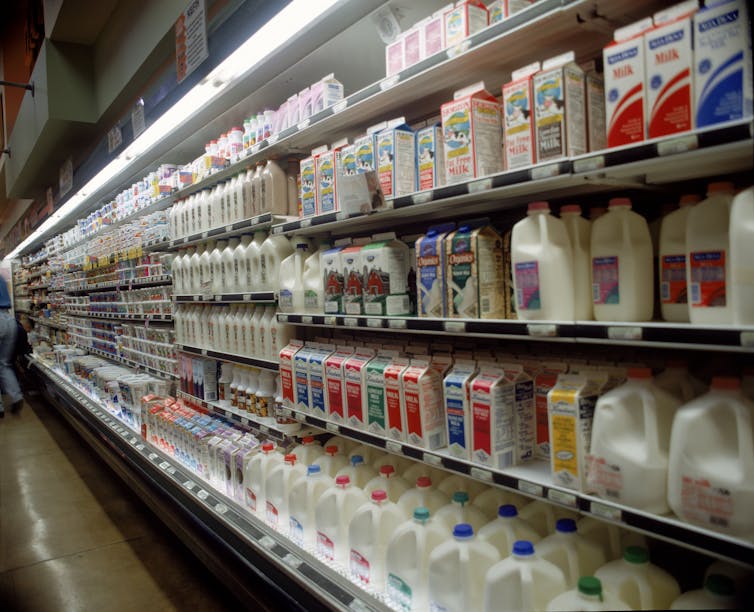
Raw milk does not contain more vitamins than pasteurized milk. Milk is not a good source of vitamin C or other heat-sensitive vitamins. Pasteurization does not significantly reduce vitamin B2 or riboflavin, which are less heat sensitive. In addition, pasteurized milk has vitamin D added to it to increase absorption of the calcium in milk.
Burke/Triolo Productions/The Image Bank via Getty Images
Fortified milk replaces nutrients that may be lost during the pasteurization process. Vitamin D is added to milk to increase absorption of the calcium it contains. No one food is perfect, so it’s okay if milk is missing some nutrients; you can get those nutrients from other foods.
Some people believe that probiotics (foods and supplements that contain live bacteria that are beneficial to health) are more abundant in products made from unpasteurized or raw milk. However, raw milk generally lacks probiotics and contains significantly more harmful bacteria. Probiotics are added to many dairy products, such as yogurt, after pasteurization.
Additionally, a 2011 review of existing research on the health benefits of raw milk found that many of these studies were poorly conducted and their results should be interpreted with caution.
What are the health risks of consuming raw milk?
Consuming raw or unpasteurized milk poses health risks due to harmful microorganisms that may be present in it.
Raw milk has been linked to hundreds of foodborne illness outbreaks. Between 1998 and 2018, 202 outbreaks sickened 2,645 people and hospitalized 228. More recently, in 2022-2023, there have been 18 outbreaks and recalls linked to raw milk. There have already been numerous outbreaks and recalls linked to pathogens in raw milk in 2024. In all cases, human disease-causing pathogens contained in raw milk were the direct cause of these illnesses.
Tungbarat Puruksachat/Moment via Getty Images
Some illnesses caused by pathogens found in raw milk can have serious long-term effects, including paralysis, kidney failure and death.
The researchers found that between 1998 and 2018, areas of the United States where raw milk was legally sold had more than three times as many outbreaks as areas where it was illegal. Areas where raw milk was permitted to be sold at retail stores had nearly four times as many outbreaks as areas where it was only permitted to be sold on farms.
Is it safe to eat foods made from raw milk?
Many, if not all, dairy products made from unpasteurized milk are not safe to eat. There are many products made from raw milk, including soft cheeses such as Brie and Camembert, Mexican-style soft cheeses such as queso fresco, panela, asadero, and queso blanco, yogurt, puddings, ice cream, and frozen yogurt. Pathogens found in raw milk can survive the manufacturing process of these dairy products, making them unsafe to eat.
Only products made from unpasteurized milk that have been processed to inhibit or kill harmful microorganisms may be safe enough, but making products from raw milk increases the chances of cross-contamination between raw and cooked foods and survival of pathogens due to improper processing.
Can pasteurized milk make me sick?
There have been a few reported cases of infection linked to pasteurized milk, but these have been due to contamination after pasteurization. Pasteurized milk is a very safe product if handled properly.
The U.S. government requires farmers to discard milk from cows infected with bird flu, and as of June 2024, 12 states have reported herds of cattle infected with H1N5, the virus that causes bird flu.
At present, there is no evidence that consuming pasteurized milk from infected cows can make humans sick. Based on the available evidence, the Food and Drug Administration currently states that pasteurization can destroy or inactivate heat-sensitive viruses, such as H5N1, in milk.
However, consuming raw milk may pose a risk of transmitting diseases to humans.
Does drinking raw milk provide immunity against H5N1?
Some people believe that drinking raw milk strengthens the immune system. However, there is no scientific evidence that drinking raw milk improves immunity to diseases.
Vaccines train your body to protect against future infections without actually getting you infected and sick. Vaccines do this by exposing your immune system to tiny amounts of dead or severely weakened pathogens.
Raw milk contains live H5N1 virus, which can infect and cause illness. Rather than boosting immunity, raw milk exposes the body to the full force of the virus, which can cause severe illness. The protective antibodies contained in raw milk can be broken down by stomach acid.
Additionally, people who contract avian influenza from raw milk risk infecting other people and animals, giving the virus an opportunity to adapt and become more transmissible from person to person, increasing the risk of the disease becoming more widespread.
