

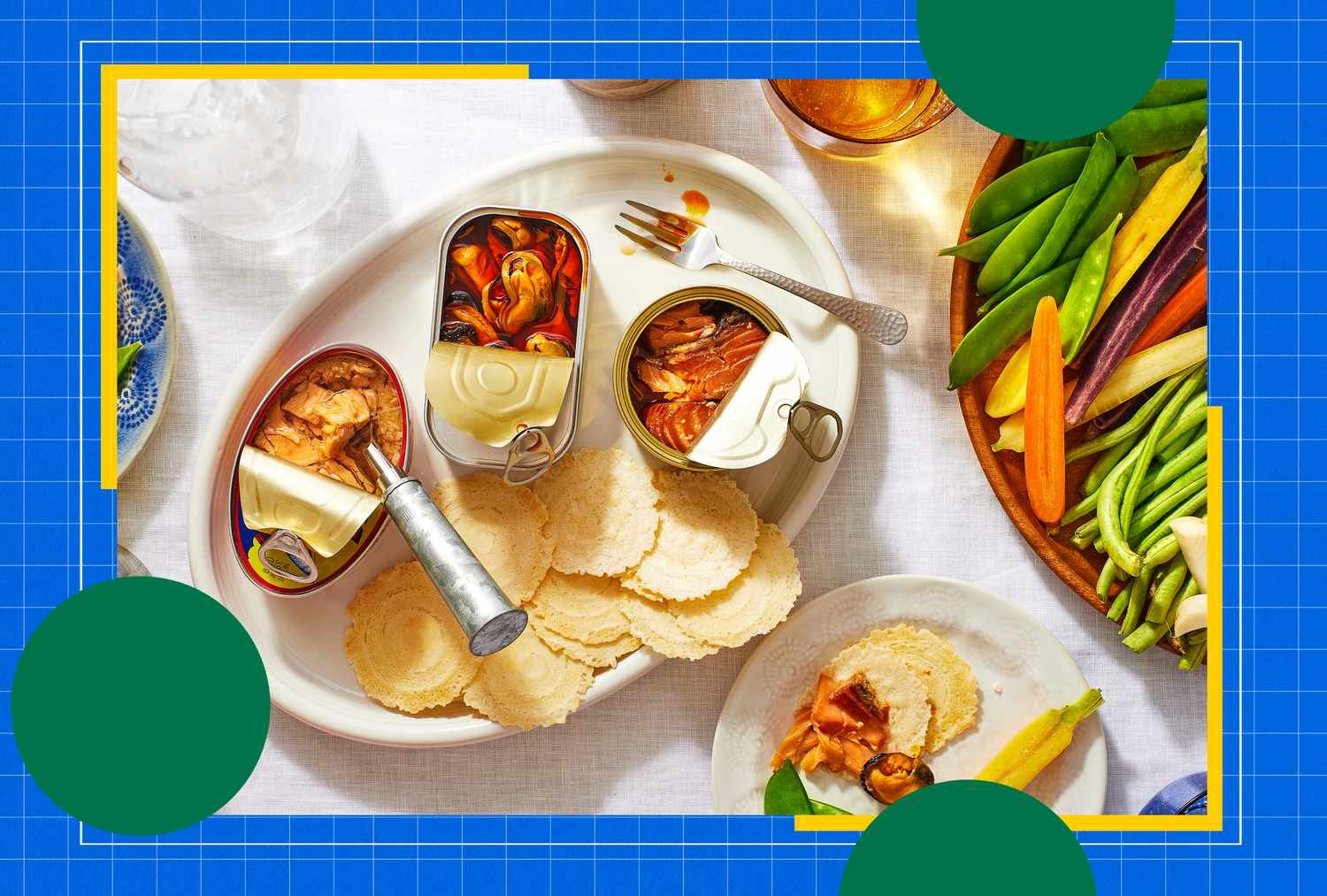
Are you watching your sodium intake? Most people eat too much, and excess sodium can increase the risk of heart disease and high blood pressure. Therefore, limiting sodium intake is even more important for people with high blood pressure, who make up nearly half of the adult population in the United States.
People with high blood pressure should avoid canned foods because they have a bad reputation for being high in sodium. In fact, canned soup is one of the “saltiest six” foods the American Heart Association identifies as contributing to excess dietary sodium intake. But before you give up canned foods completely (and miss out on these nutritious, convenient staples), we want to let you know that canned foods can still be part of a blood pressure-friendly diet.
Adopting the Dietary Approaches to Stop Hypertension (DASH) has been shown to be an effective strategy to prevent and treat high blood pressure. A pillar of the DASH diet is limiting dietary sodium intake to 2,300 mg (1 teaspoon salt) or less per day. Canned foods can be very high in sodium, so look for low-sodium or salt-free options. Draining and rinsing canned foods can reduce sodium by up to 41%.
Additionally, like many diets, the DASH diet emphasizes the importance of fruits and vegetables, though it doesn’t specify that the fruits and vegetables must be fresh. Canned produce is also packed with heart-healthy nutrients, as are high-quality canned proteins like fish and legumes.
In this article, we’ll show you what to look for on the labels when buying canned foods, and nutritionists recommend the most effective canned foods for high blood pressure.
1. Canned sardines
“Canned sardines are packed with omega-3 fatty acids and calcium, both of which have beneficial effects on blood pressure. Omega-3s help reduce inflammation and lower blood pressure, and calcium is an important mineral in the DASH diet,” says Veronica Rouse, RD, owner of The Heart Dietitian. Just one five-ounce can of sardines contains a ton of heart-healthy omega-3s, 18 grams of protein, and more than 20-25% of the recommended daily intake of 1,300 mg of calcium. If you’re not sure how to use canned sardines, try our Greek Salad with Sardines, but because sardines have a high sodium content, we recommend enjoying one cup of this salad instead of the recommended serving size of two cups.
2. Canned beans
There’s a lot to love about canned beans: They’re budget-friendly, convenient, nutritious, and versatile. “Eating canned beans can be extremely helpful in keeping blood pressure healthy,” says Laura M. Ali, MS, RDN, a Pittsburgh, PA-based culinary nutritionist and cookbook author. MIND Diet for Two“Leguments are good sources of potassium, magnesium and fiber, nutrients that are important for controlling blood pressure, and they offer many low-sodium options too.” In fact, research has shown that higher intake of legumes (such as beans) is associated with lower blood pressure.
Just half a cup of low-sodium canned black beans provides a whopping 8 grams of fiber, 7 grams of protein, and blood pressure lowering micronutrients like calcium and potassium. More specifically, calcium plays a key role in controlling blood flow by regulating the narrowing and widening of blood vessels.
If you choose the low-sodium option, you’ll get about half the sodium found in a typical can of black beans. Enjoy this beautiful one-pot white bean, spinach and sun-dried tomato orzo with lemon and feta while protecting your heart.
3. Canned tomatoes
Canned tomatoes are a versatile food that can be used in a variety of dishes, from pastas to soups to sauces, and they’re also packed with heart-healthy benefits: Half a cup of unsalted, canned, crushed tomatoes is not only low in sodium, but also provides 10 percent of your recommended daily intake of potassium.
Potassium helps counteract the effects of sodium by promoting excretion through urine and relaxing blood vessel walls. Plus, canned tomatoes are rich in lycopene, a heart-healthy antioxidant that helps prevent cardiovascular disease. For a delicious and healthy dinner using canned tomatoes, try making this vegetarian stuffed cabbage.
4. Canned tuna
The 2020-2025 Dietary Guidelines for Americans recommends that adults eat 8 ounces of fish and seafood each week. But many Americans aren’t eating enough. Unsalted canned tuna is one of our favorites: it’s budget-friendly, versatile, and rich in omega-3 fatty acids, which help lower blood pressure. In fact, a study of nearly 5,000 participants found that consuming just 2 grams of omega-3 fatty acids per day significantly reduced blood pressure. A 3-ounce can of tuna not only contains 22 grams of high-quality protein, but it’s also a great source of calcium and potassium. Need inspiration? Try this pasta, tuna and roasted pepper salad.
5. Canned pumpkin
Next time you’re grocery shopping, add some potassium-rich canned pumpkin to your cart. “Incorporating more potassium-rich foods like canned pumpkin can help offset the negative effects of salt on blood pressure,” says Ruth. One cup of unsalted canned pumpkin contains about 11 percent of the recommended daily intake of potassium, 4,700 mg. “Canned pumpkin isn’t just for pumpkin pie. I use it year-round in overnight oats and pumpkin oatmeal. My kids love pumpkin muffins.” These healthy pumpkin muffins are perfect for a healthy breakfast or sweet lunch on the go.
6. Canned pineapple
Fresh pineapple isn’t available all year round, so canned pineapple in juice is a reliable alternative. Not only is this popular tropical fruit delicious, it may also help lower blood pressure. One cup of diced pineapple contains over 2 grams of fiber and is a good source of potassium. Fiber is said to reduce the risk of heart disease and lower blood pressure. Enjoy this moist pineapple coffee cake with your next cup of coffee, but keep in mind it contains more sodium than recommended for a heart-healthy dessert, so we recommend keeping it small.
7. Canned spinach
Canned spinach may not be as popular as fresh, frozen spinach, but Popeye may have been on to something. Canned spinach contains a ton of health-boosting nutrients, including some that lower blood pressure. One cup of canned spinach contains over 5 grams of fiber, as well as potassium, magnesium, and calcium, all of which are good for blood pressure. Green leafy vegetables like spinach also contain nitrates, which relax blood vessels and lower blood pressure. In fact, studies have found that people who eat one or more cups of leafy vegetables per day had lower blood pressure and an overall lower risk of heart disease.
8. Canned beets
“Brightly red and packed with antioxidants, canned beets are great for maintaining healthy blood pressure,” says Ali. “Beets contain a variety of heart-healthy nutrients, including fiber, potassium, vitamin C, and B vitamins. Plus, beets get their beautiful red color from plant compounds called phytonutrients, including a nutrient called betalains, which have been shown to reduce inflammation and lower blood pressure.” Like spinach, beets are also high in naturally occurring nitrates, which Ali says may help lower blood pressure and reduce the risk of heart disease.17 Some canned beets have added sugar and salt, so be sure to check the label. Use in our recipe for Browned Onions and Beets with Creamy Feta Dressing. As with the other recipes above, this recipe has a bit more sodium and saturated fat than recommended, so be careful with your portion sizes.
Conclusion
Canned foods are known for their high sodium content. If you’re trying to limit your sodium intake to manage high blood pressure, you may be avoiding canned foods. But don’t throw them out just yet! Canned foods have many benefits, including other blood pressure-friendly nutrients like fiber, potassium, calcium, magnesium, and omega-3s. Using this list to keep your pantry stocked with staples, it will be much easier to plan heart-healthy meals to manage your blood pressure.
