

<p>Multivitamins can be a helpful way to fill in gaps in your diet, but supplements only work well when they meet your individual needs. The best multivitamin for women over 50 is specifically tailored for where you are in life right now, with a mix of nutrients that are designed to help you to look and feel your best. </p><p>The best multivitamin for you depends on your own needs—and any potential deficits you may have. But many women in their 50s will benefit from a specific mix of nutrients, says Keri Gans, M.S., R.D., author of <em><a href=”https://www.amazon.com/Small-Change-Diet-Thinner-Healthier/dp/1451608888″ rel=”nofollow” target=”_blank”>The Small Change Diet</a></em>. “Calcium, vitamin D, and magnesium are important nutrients to help keep bones strong and decrease the risk for osteoporosis,” she says. That’s especially important since the natural decline in estrogen that happens with menopause can lead to bone loss, says women’s health expert <a href=”https://drwider.com/”>Jennifer Wider, M.D.</a> Other crucial nutrients to look for, per Gans: potassium and folic acid. These “play a crucial role in keeping our heart healthy,” she says. </p><p>Of course, you also want to make sure you’re eating a well-balanced diet, says <a href=”http://keatleymnt.com/” target=”_blank”>Gina Keatley</a>, a certified dietitian-nutritionist practicing in New York City. Meaning, it’s best to think of a multivitamin in your 50s as a way to cover your bases, but your diet should be the main way you get in important nutrients. <br> </p><p class=”body-tip”><strong>Meet the Experts:</strong> <a href=”https://drwider.com/”>Jennifer Wider, M.D.</a>, women’s health expert, <a href=”https://globalhealth.rutgers.edu/who-we-are/gloria-bachmann/” data-component=”link” data-source=”inlineLink” data-type=”externalLink” data-ordinal=”1″ target=”_blank” rel=”noopener”>Gloria A. Bachmann, M.D.</a>, associate dean for women’s health at Rutgers Robert Wood Johnson Medical School in New Jersey; <a href=”https://mdmercy.com/find-a-doctor/kathryn-boling-md” target=”_blank” title=”(opens new window)”>Kathryn Boling, M.D.</a>, a primary care physician at Baltimore’s Mercy Medical Center; Keri Gans, M.S., R.D., author of <em><a href=”https://www.amazon.com/Small-Change-Diet-Thinner-Healthier/dp/1451608888″ rel=”nofollow” target=”_blank”>The Small Change Diet</a>;</em> <a href=”http://keatleymnt.com/” target=”_blank”>Gina Keatley</a>, a certified dietitian-nutritionist practicing in New York City.</p><p>Shopping for the right multivitamin can be tricky, especially since <a href=”https://www.fda.gov/consumers/consumer-updates/fda-101-dietary-supplements” target=”_blank”>vitamins are not approved by the FDA</a> before they hit the market. Also, it’s best to consult with a doctor before adding a new supplement to your routine, just to be safe. With all of that in mind, these are the best multivitamins for women over 50, according to women’s health and nutrition experts. </p>”/>
1
Best Overall
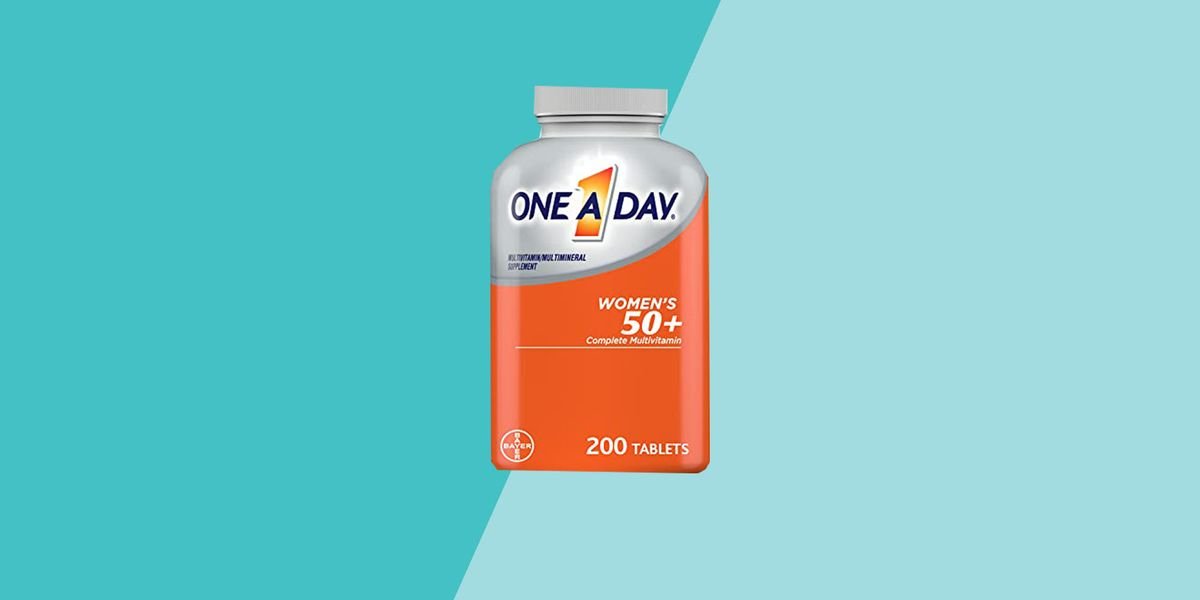
One a Day Women’s 50+ Multivitamins

Pros
- Taken once a day
- Inexpensive
- Third-party tested

Cons
- Some complain about the taste

The One A Day Women’s 50+ Multivitamins are designed to be a quick and easy way to cover your nutritional bases. These vitamins feature nutrients to support your bone health, heart health, eye health, and immune health. The vitamin includes calcium, zinc, folic acid, and vitamins A, B6, B12, C, D, and E. It’s also taken once a day and is free of things you may not want in your vitamins, like gluten, wheat, soy, and dairy.
| Form | Tablet |
|---|---|
| Dosage | 1 per day |
3
Best Formulation Options
Nature Made Multivitamin For Her 50+

Gans suggests these pills from Nature Made. They contain 22 key nutrients, including vitamins to support bone health, immune health, and energy metabolism. “The dose is one pill per day, and it is third-party certified,” says Gans. While these are softgels, the same vitamin comes in tablet form if you prefer something you can chew.
| Form | Softgel |
|---|---|
| Dosage | 1 per day |
5
Best Full Spectrum
Centrum Silver Women’s Multivitamin for Women 50 Plus


Pros
- Gluten-free
- Good range of nutrients
- Take one a day
Cons
- Pills are larger
Centrum Silver Women’s Multivitamin is incredibly popular for a reason (it maintains a 4.8 rating from over 8,000 Amazon customers!). This pick contains important micronutrients like calcium, zinc, beta-carotene, and vitamins B, D3, C, and E, all designed to support your heart, brain, eye, and bone health. The vitamins are also non-GMO and gluten-free.
| Form | Tablet |
|---|---|
| Dosage | 1 per day |
10
Best Absorbable
Thorne Research Women’s Multi 50+

Pros
- Contains highly absorbable forms of nutrients
- Contains lutein to support eye health
- Gluten-free, dairy-free, soy-free
Cons
- Dosage is 3-6 per day
Thorne Research’s multivitamin features a slew of highly absorbable forms of nutrients, including calcium, magnesium, and vitamins A, B12, B6, and D to promote good bone health, skin health, and healthy immune function. It’s also free of gluten, dairy, and soy, and contains lutein for eye health. Just a heads up: You’ll need to take three capsules a day.
| Form | Capsule |
|---|---|
| Dosage | 3-6 per day |
Multivitamins for women over 50: Benefits

Generally, taking a multivitamin can supplement one’s diet and help fill in nutritional gaps, says Gans. As you age, however, there are more health issues that you might deal with.
So, a multivitamin specifically formulated for women over 50 can help ensure you’re getting the vitamins and minerals that your body requires, says Dr. Bachmann. Vitamins for women over 50 contain nutrients that women in this age group are at higher risk of deficiency in or may have increased needs for.
For instance, because women in this age group are at greater risk of osteoporosis, it may be a good idea to supplement with more vitamin D and calcium, which help support bone health.However, there is one nutrient of which your body might generally need less as you age and reach post-menopause: iron.
When you don’t have a monthly period, you don’t need to replace lost blood cells, Dr. Bachmann explains. Still, it’s important to consider your individual needs. If you’re anemic, you may want to consider a supplement that contains iron.
As always, talk with your doctor for individualized recommendations.
How to choose the best multivitamin for women over 50
When you’re 50 and up, experts say there are a few nutrients you should be looking for in a multivitamin:
- B12. This is important if you don’t eat a lot of meat, says Kathryn Boling, M.D., a primary care physician at Baltimore’s Mercy Medical Center. Vitamin B12 is good for your brain and “as you get older, your ability to absorb B12 drops,” Boling points out.
- Calcium. Calcium is a crucial factor in building strong bones and having plenty in your diet lowers the risk of developing osteoporosis, Dr. Boling says. “Since women lose up to 1/5 of their bone [mass] “I tell all women that they need at least 1,200 milligrams of calcium daily for five to seven years after menopause,” says Gloria A. Bachman, MD, vice dean for women’s health at the Robert Wood Johnson Medical School at Rutgers University in New Jersey. If you don’t drink milk or eat dairy products, calcium supplements are a must, says Dr. Bachman.
- Vitamin D. Women’s health expert Jennifer Wider, MD, says the natural decline in estrogen that occurs during menopause can lead to osteoporosis, and points out that vitamin D plays an important role in building strong bones.
- magnesiumMagnesium also helps strengthen bones, which may help reduce your risk of leg cramps, says Dr. Bowling.
- fiberFiber can help in several ways, including keeping your bowels regular, says Keatley. It can also help regulate blood sugar and lower LDL (bad) cholesterol, she adds. (Just be sure not to take fiber with medications or other vitamins, as they can flush them out of your body.)
- Riboflavin (B2). This is food for the eyes, skin, hair and nails, says Keatley.
- Vitamin E. This antioxidant helps support the immune system, Keatley says.
- Folic acid. “It’s good for your heart and has been shown to lower homocysteine levels, which have been linked to heart disease,” says Dr. Wider.
But there’s more to consider than just the ingredients. Pill size and dosage also matter. If you have trouble swallowing large pills, look for smaller sized or chewable tablets. “Ideally, look for vitamins with a recommended dosage of one tablet per day, as people are more likely to take them than multiple pills,” adds Gans.
If possible, look for a multivitamin that’s third-party certified, which ensures that what’s on the label is actually in the bottle, Gans points out.
It doesn’t hurt to choose a popular company, either: “Companies that mass-produce vitamins have a lot to lose if they don’t deliver on what they claim,” says Dr. Bowling.
*Dietary supplements are products intended to supplement the diet. They are not medicines and are not intended to treat, diagnose, mitigate, prevent, or cure any disease. If you are pregnant or breastfeeding, be careful about taking dietary supplements. Also, be careful about giving supplements to children unless recommended by a healthcare professional.
When is the best time to take a multivitamin?
There’s no hard and fast rule about the best time to take your multivitamin — in fact, experts agree that the best time to take your multivitamin is the time you’re most likely to remember.
If you want to see really tangible benefits, Gans says you might want to take a multivitamin with a meal: “However, because multivitamins contain fat-soluble vitamins, they’re best taken with a meal that contains fat so that the vitamins are better absorbed,” she explains.
Some multivitamins are designed to be taken twice a day, with one tablet in the morning and one at night being natural (check the label before buying your multivitamin for more information).
How to Choose the Best Multivitamin for Women Over 50

To choose the best multivitamin for women over 50, we analyzed the top-selling vitamins on the market and consulted several nutrition and medical experts, including women’s health expert Jennifer Wider, MD; Gloria A. Bachman, MD, associate dean for women’s health at the Robert Wood Johnson Medical School of Rutgers University, New Jersey; Katherine Boling, MD, primary care physician at Mercy Medical Center in Baltimore; and Keri Gans, MD, PhD, nutrition and medicine specialist and author of the book “Multivitamins and Supplements.” Small changes in diet; Gina Keatley, a registered dietitian based in New York City.
Why trust us?
For over 70 years, Prevention is a leading provider of trusted health information, engaging readers with practical strategies for improving their physical, mental and emotional health. Our editors interview medical experts to guide their health-focused product selections. Prevention We also research hundreds of reviews and often conduct personal testing by our staff to help you make an informed decision.
Collin Miller is a freelance writer specializing in general health, sexual health and relationships, and lifestyle trends, and has written for Men’s Health, Women’s Health, Self, Glamour, and more. He has a master’s degree from American University, lives by the beach, and hopes to one day run a Teacup Pig and taco truck.
See next

ADVERTISEMENT – CONTINUE READING BELOW
ADVERTISEMENT – CONTINUE READING BELOW
ADVERTISEMENT – CONTINUE READING BELOW
