

When compared to similar cities like Austin, Raleigh, Denver and Dallas, Nashville ranks last when it comes to the health of its residents. Yes, last.
“Nashville has by far the shortest life expectancy, the worst mental health outcomes, the least physical activity, and the highest rates of infant mortality, smoking and obesity. This is unacceptable, especially for a growing, thriving city with so many innovative health care companies and thought leaders. We can do better.”
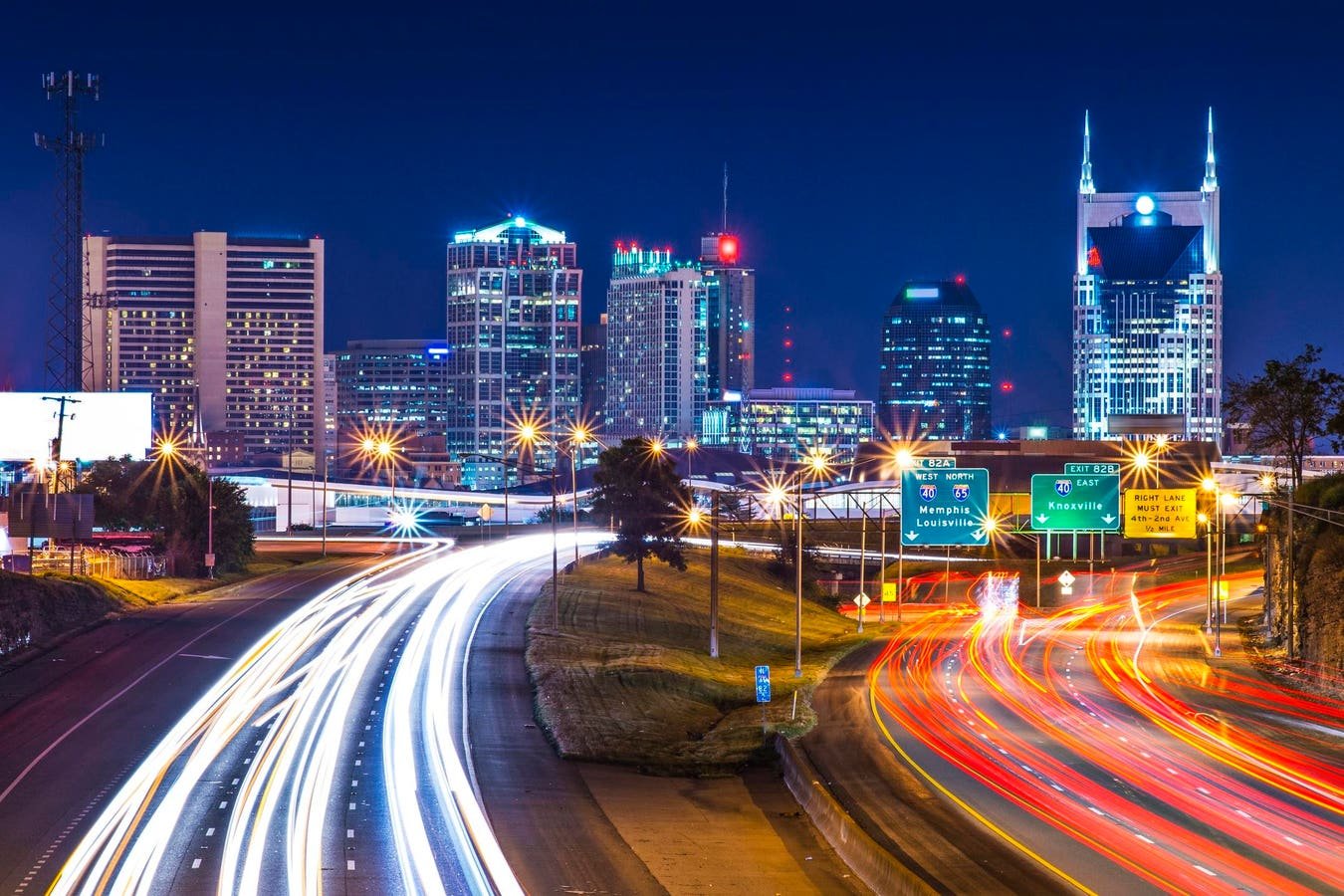
Nashville’s growth is rapidly outpacing our transportation capacity, which in turn … [+]
Health is a product of both the environment and the individual. It is a complex interaction of the two. In fact, many environmental and non-medical factors beyond the hospital or clinic directly affect a person’s health and well-being. Poor health affects every aspect of our lives. It leads to a lower quality of life, less happiness, less productivity, and ultimately, it leads to us falling behind.
That’s why good, common sense policy is so important — it helps steer communities toward healthier futures. As a physician and former government policymaker, I encourage each of us to view policy proposals from all levels of government through the lens of how they will affect the mental, emotional, and physical health of individuals, families, and communities.
Transportation is health
Healthy cities need an equally healthy transportation infrastructure to foster growth, connections, and well-being. It may sound like a cliché, but transportation is health. And collaborative health nonprofit NashvilleHealth has found that inequal access to social and non-medical determinants of health, of which transportation access is a prime example, are at the root of Nashville’s poorer health outcomes compared to other cities. And it’s only getting worse.
Nashville’s growth is rapidly outpacing our transportation capabilities. And that’s impacting the health and well-being of every one of us. This is not a new issue. And this year, voters will have the chance to shape our transportation infrastructure.
Nashville’s current mayor, Freddie O’Connell, has proposed a modest transportation plan to modernize the city’s transportation infrastructure at a time when the city’s population, businesses and cultural resources are booming. The Transportation Improvement Program (TIP) would implement a sales tax. Nashville is one of only four of the 50 largest U.S. cities that currently allocates no funding for transportation, but the currently proposed plan is a scaled-down version of an earlier bill.
“Choose How to Travel gives us the opportunity to improve the quality of life for Nashvillians, regardless of how they use our roads, by supporting their well-being, lowering transportation costs and making our roads safer for everyone,” said Mayor O’Connell. “The public health benefits are wide-ranging – fewer traffic crashes and pollution, increased physical fitness, improved mental health, improved basic access to health care and healthy foods, and reduced financial stress for low-income families.”
The proposed program promises to make Nashville’s transportation infrastructure more efficient, accessible, and affordable. But the purpose of this article is not to debate the merits of Mayor O’Connell’s referendum. Rather, it is to examine the impact TIP will have on our health. And the benefits are clear.
Here is my thoughts on how the Mayor’s TIP will impact the health of residents:
signal: 600 signalized intersections Modernizing with new signal technologyThese smart signals will adapt to changing traffic patterns in real time, reducing congestion and dramatically shortening travel times.
Less unnecessary time spent waiting at traffic lights – less time slowing down, idling and accelerating – less time spent on the road reduces levels of the stress hormone cortisol in the body. This has a positive impact on mental and emotional health. For example, studies have shown that longer commute times can affect employees’ overall job satisfaction as well as their leisure time satisfaction. A shorter commute also reduces more general physical and emotional fatigue.
These signals also improve air quality, which in turn improves your immune system. Starting and stopping, waiting at traffic lights, driving for long periods in a car – all of these contribute to air pollution. And this toxic pollution is directly linked to an increase in heart attacks, strokes, asthma, emphysema and lung cancer. Physiological physical stress combined with increased emissions and pollution suppresses the body’s immune system, making you more susceptible to all kinds of infections.
Sidewalks: 86 miles of trails will be added or upgraded (60% of which will be in traditionally underserved areas).
Nashville is consistently ranked as one of the least walkable cities in America, and improving a community’s walkability reduces symptoms of stress, smoking, and depression. These sidewalk improvements enable one-third of Nashville residents to access transit stops on foot, reducing the need for car trips, shortening travel times, and reducing traffic-related air pollution. This translates to improved respiratory conditions like wheezing and asthma, fewer acute and chronic cardiovascular and pulmonary diseases, resulting in fewer costly hospitalizations and more healthy, productive days at work.
Many of the neighborhoods where the Mayor’s proposal would result in a significant increase in sidewalks are hotspots with high rates of chronic diseases like high blood pressure, diabetes and obesity. Multiple studies support the observation that residents with sidewalks have more opportunities to walk and exercise, which in turn leads to significantly lower levels of obesity and high blood pressure.
Bus service: Bus operating hours will increase by 80 percent. Service will be expanded to connect more neighborhoods, better connecting Nashville’s neighborhoods through 12 transit centers and 17 park-and-ride locations.
Nashville households earning or below the median income spend more than half of their income on transportation and housing. Efficient, affordable public transportation allows people to commute to work more economically and reliably, which in turn promotes access to employment opportunities and increases opportunities to participate in the local economy (both of which have a positive impact on economic productivity and growth). These benefits extend to increased access to health-promoting behaviors, including nutritious food, recreational activities, employment, and social interactions.
TIP also improves the environmental impact of surrounding transit corridors by incorporating street trees, planters, and other green elements. Green spaces around bus stops help minimize exposure to diesel fuel and air pollution. These green spaces also provide shade, making travelling around the city safer during the hottest days.
safety: 35 high injury intersections will be redesigned to reduce risk, improving travel options and safety.
Last year, 37 people were killed while walking or bicycling in Nashville. Well-designed pedestrian infrastructure encourages walking and bicycling as convenient and desirable modes of transportation, which in turn promotes physical activity and greener transportation options – all of which are essential for maintaining heart and lung health, reducing obesity, and improving overall physical and mental health.
To improve pedestrian safety, road improvements will focus on safer intersections, including installing bike path signs, improving street lighting, and adding pedestrian walkways. Complex intersections will have “all-access corridors” that improve the integration of all modes of transportation (bus, car, bicycle, and walking). Improved traffic patterns and signals will optimize the flow of vehicles, pedestrians, and bicycles, while also reducing the risk of congestion and accidents, which benefits all road users, regardless of their mode of transportation.
The Mayor’s TIP will help Nashvillians get around the city more efficiently and economically. It will also help provide opportunities for all Nashvillians to be healthy. Transportation, at the most basic level, determines our ability to move around the world around us. And it is a key driver of health outcomes. With a safe, accessible, and affordable transportation system in place, cities and the people who live in them thrive.
By adopting smart, common-sense transportation policies, we can begin to improve the health and well-being of our entire city. Modernizing transportation will make it easier for all residents to get around our city, regardless of their income, situation, or where they live. This will foster more inclusive and connected communities, improving our health and well-being in the process. And we all benefit.
