

Many of us still rely on old ideas, like taking megadoses of Vitamin C when we’re sick or fasting when we have a fever. Are any of these ideas supported by evidence, and if so, what is it?

Cold and flu season is fast approaching, and with it comes increased demand for vitamins, minerals and supplements that support immune function and ward off nasty illnesses and infections.
There are certainly plenty of remedies people turn to this time of year, from sipping on nutritious bone broth when battling a cold to taking mega doses of Vitamin C.
So before you rush out to buy vitamins or boil some bones, here are some of the most common food remedies you can use when you’re not feeling well.

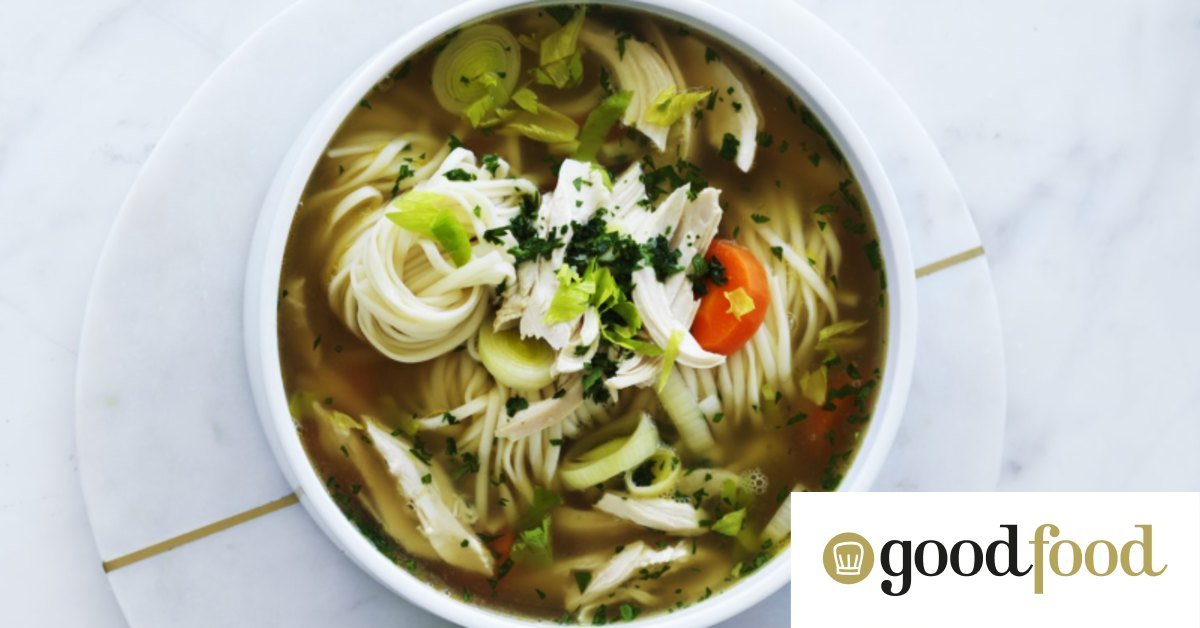
Chicken soup supports the immune system
truth. There are plenty of food and nutrition remedies out there, but you might be pleasantly surprised to hear that there’s scientific evidence that a bowl of bone broth-based soup has some important nutritional benefits related to immune function. Specifically, bones can create a soup base that contains an amino acid called carnosine. This molecule has been shown to help the body fight infections in the early stages by inhibiting infected cells from moving through the body. So while a bagged soup mix is unlikely to have a positive effect on your immune system, a rich chicken- or beef-based soup may certainly help.
Vitamin C helps prevent colds
False (for the most part). While a runny nose might make you want to gulp down some orange juice, there’s mixed evidence on the role vitamin C supplements play in reducing illness. While there’s certainly no solid evidence that vitamin C supplements can prevent illness in low doses, there is evidence that taking larger amounts of this water-soluble vitamin may shorten the duration of cold-like symptoms if they appear within the first day. Remember, if you feel the onset of a cold, a glass or two of juice and a few oranges or kiwifruit won’t hurt and may slightly reduce the time it takes to keep your nose running.

Nourish the cold, starve the fever
Incorrect (partially). Some people will abstain from food altogether as soon as they feel unwell, but many others get over it. So should you really eat or not eat when you’re unwell? Indeed, if we dig into the science, we find that there is data on this very question. The evidence suggests that the second part of this adage – that you should fast to treat a fever – is a myth. Our basic nutritional state impacts our overall immune function, but essentially, when you have a fever or cold, your body needs nutrients to fight infection and fluids to avoid dehydration. While you may not want to eat when you’re sick, it’s better to consume light foods and beverages like soups, teas, water, and electrolyte drinks. There are no nutritional or immune-related benefits to be gained from not eating at all. Rather, recovery is about eating the right foods and rehydrating when you’re unwell.
Drinking milk increases phlegm
error. Ice-cold milkshakes and creamy lattes may not be what spring to mind when you’re not feeling your best, but should you avoid mucus-inducing dairy products when you have a cold? While there’s no solid evidence that dairy actually increases mucus production, dairy and even soy milk naturally change the way your mouth feels after consumption. This may be why milk is often associated with mucus; rather than increasing production, it feels like you’re producing more when your nose is already stuffy. So there’s no specific reason to avoid dairy when you’re sick, except if it makes you feel better personally.

Garlic fights infection
error. Garlic has been used for thousands of years as a treatment for infectious diseases. In theory, organic sulfides found naturally in both onions and garlic are known to support immune function by regulating cytokine production, but there is little data to specifically show that garlic taken in the diet or as a supplement has a direct effect on susceptibility to disease. Of the few studies available, one was published in the journal Treatment Advances Over 20 years ago, a trial of 146 adults found that taking garlic supplements reduced the risk of catching a cold, but this was a one-off study. There are few risks associated with using garlic supplements, but from an overall health perspective, adding garlic to your diet regularly is more likely to have general long-term health benefits than specific cold- or flu-related benefits.
Honey soothes a sore throat
truth. At some point in your life, you may have been advised to drink a mug of hot water with lemon and honey to cure a sore throat. Luckily, this time-honored remedy was spot on. Honey is known to have natural antibacterial properties, and studies have shown that adding honey to your diet to treat upper respiratory tract infections may help reduce the symptoms of the infection. So the next time you find yourself with a scratchy throat or cough, it may be worth considering this option.
Get the best recipes from Australia’s top chefs delivered straight to your inbox.
sign up
