

Your pantry could be the difference between a normal home-cooked meal and a chef-made fancy meal. Easy-to-find, beginner-friendly pantry ingredients are professional chefs’ favorite tools for transforming dishes. To elevate a recipe you already know (and love), all you need is a sprinkle of salt at the end, swap out cane sugar for honey, or mix in a few drops of a chef’s secret umami bomb. We asked chefs to tell us the secret weapons they always have on hand to make their dishes the best they can be. Add some of these ingredients to your pantry to elevate your everyday dishes.
Honey
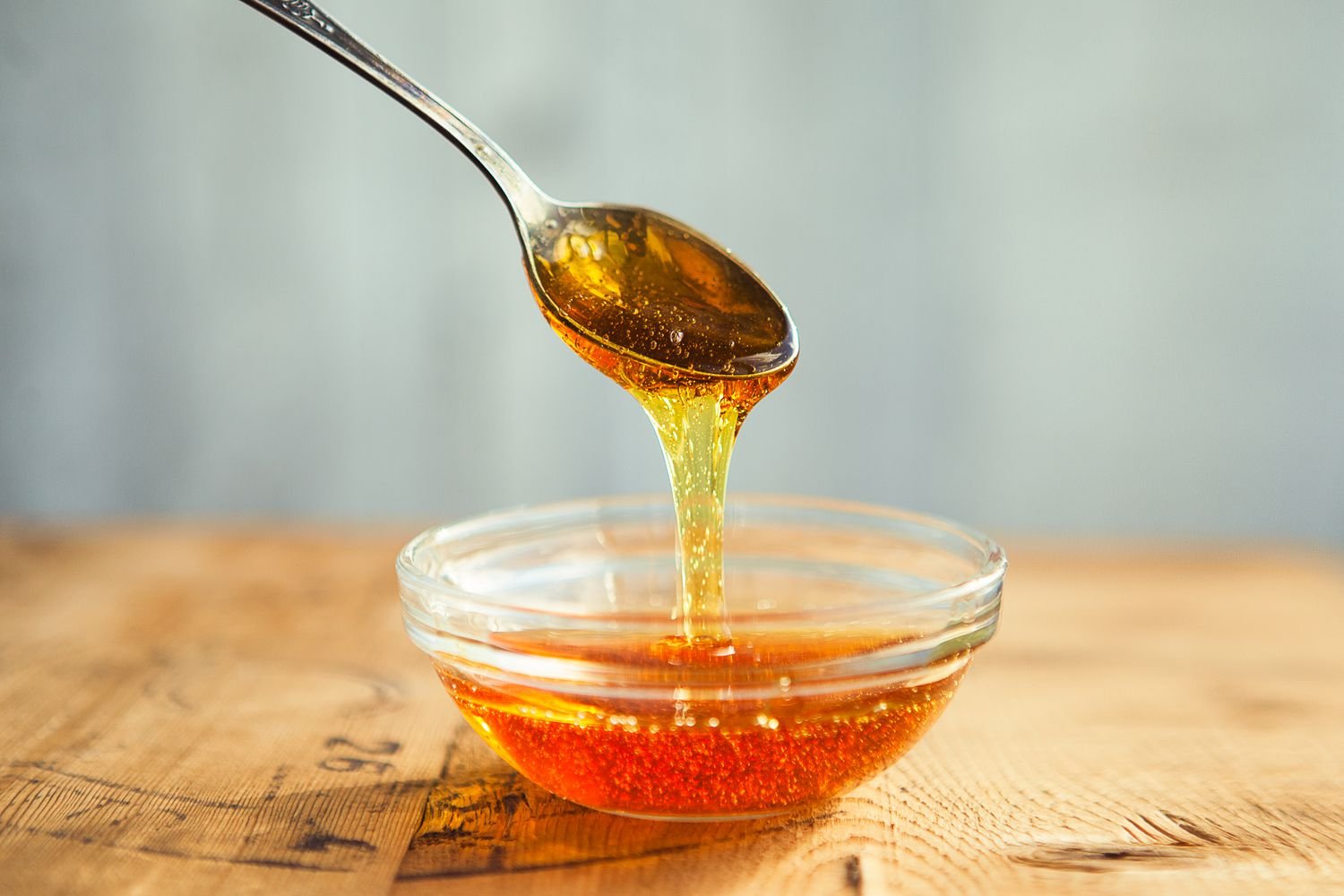
Sometimes a little sweetness really does make a dish taste better. Honey adds more complexity than plain sugar. “Honey is my secret weapon,” says Harris Meyer, chef and owner of Creamline in New York City. He says many soups and sauces benefit from a pinch of sugar to balance the acidity. He uses honey instead of sugar because it’s more natural. “Catskill Provisions wildflower honey adds more than just sweetness; it adds complexity and nutrition to the finished dish.”
culture
Fish sauces, like Italian Clatura or Vietnamese fish sauce, can add umami, saltiness, and depth to a wide range of dishes. “I really love the incredible flavor that fish sauce adds. It’s a really interesting and complex way to add saltiness,” says chef Harold Dieterle of Italian restaurant Il Totano. Best Chef Winner of Season 1. He uses passion fruit and salted chilies in a blistered eggplant basil sauce served with dry-aged Kona amberjack and over whole baked fish.
Curry Block
“I love curry blocks because they add a great flavor base in a short amount of time with little fuss,” says Tony Yin, executive chef at Kinjin in New York City. Brands like Golden Curry make shelf-stable dried curry blocks that can be added to hot dishes for a rich, easy boost of flavor; Yin uses them “as starters for curries, noodles, stews, soups, or one-pot meals that can empty the fridge.”
Special Salt
Any chef will tell you that not all salt is the same, and using a specialty salt can elevate a dish. Flaky sea salt, like the widely available Maldon Sea Salt, is used as a finishing salt, “to season meats, vegetables, fruits, and pretty much anything that needs a pinch of salt. It also comes in travel-sized packs,” says John Tesar, chef and owner of Knife Italian in Irving, Texas.
Tim Mangan, executive chef at Majordomo in Los Angeles, agrees: “No matter what kitchen you’re in, I think this is one of the easiest and greatest ways to enhance the flavor of your food.”
Nyora Pepper Paste
Chef Laila Bazam of Austin’s El Raval began using ñola pepper paste, a rich, fruity red chili paste, while living and cooking in Barcelona. It’s made from the spherical ñola peppers from Spain, known for their sweet, earthy flavor and umami taste. “It’s so versatile, I use it to add depth to paellas, sofritos, fish stews, pastas, and casseroles,” says Bazam. At El Raval, she adds it to the sofrito (onion, garlic, red peppers, ripe tomatoes, ñola paste, and olive oil) that serves as the base for paella, and in the sauce for fried calamari.
Green Cardamom
Image source / Getty Images
“My secret ingredient is green cardamom. I love how versatile it is, you can use it in both sweet and savory dishes,” says Keano Moju, author of a forthcoming cookbook. AfriCali: Recipes from my JikoniShe uses it to add spice and depth to olive oil cakes, scones, cinnamon rolls, and doughnuts, and she also uses it throughout the week when making savory dishes, infusing it with a little ghee on low heat on the stove.
Yondu
Yondu is a liquid umami sauce made from slowly fermented soybeans and simmered vegetables, and it’s Ed Cotton’s favorite. He uses it in several dishes at his New York restaurant, Jack & Charlie’s. Yondu really enhances the flavor of the ingredients he uses in his dishes, he says. “Yondu is like a vegetable extract, it enhances the overall flavor of the dish and adds depth. I like to add Yondu to soups, sauces, vinaigrettes and stocks, and just a few drops are all you need. Gone are the days of spending hours simmering thick vegetable stocks.”
Coconut Aminos
Rachel Marek
A pantry staple for many vegan and gluten-free diners, coconut aminos are a flavorful, dark brown sauce made by fermenting coconut palm sap with sea salt. “Some people use it as a substitute for soy sauce; it’s incredibly versatile,” says chef Jay Kumar of Lore in Brooklyn. He sautes butter, ginger, garlic paste, and a masala spice mix together in a skillet, then adds the coconut aminos. Once reduced, “it becomes a demi-glace with an amazing depth of flavor.” He uses it as a sauce for seafood like scallops, shrimp, and lobster. Kumar’s new summer menu features coconut aminos in a sauce for duck confit with buttery polenta.
