

According to Vericast’s 2024 Restaurant Trends Watch, roughly 60% of consumers are forgoing dinner reservations, instead opting for more affordable options like fast food and frozen pizza.
Two-thirds of U.S. consumers believe that changes to their meal plans are due to rising restaurant prices, up 3% from the number of consumers who said the same in 2023.
Rising food prices are leading Americans to forego casual dining and return to drive-thrus and frozen food aisles.
Gen Z and millennials are bearing the financial strain the hardest, with 71% choosing the more budget-friendly option of eating at home over dining in a restaurant, compared to 68% of other generations making the same switch.
Consumers are increasingly viewing eating out at traditional sit-down restaurants as a luxury they’re willing to sacrifice. Amid inflation and rising costs across the board, Americans are trying to cut back on unnecessary spending, but consumers are noticing a disproportionate increase in costs associated with dinner dates and happy hours. Restaurant prices rose 5.1%, while groceries increased 1.2%.
Decide your dinner plan with great deals
Americans are feeling inflation fatigue as they try to balance the costs associated with socializing, entertainment and family meals without making ongoing sacrifices. As shoppers make dinner plans, they look for deals and discounts to soften the blow to their budgets.
More than half of respondents reported that coupons, discounts, deals and other perks influence their dinner planning decisions. Nearly 30% of consumers say they are not willing to try a new restaurant unless there is some sort of discount or special offer. To save money, American consumers are turning to old-fashioned coupons on social media, restaurant-related apps and print ads.
How coupons are used today
Social media and apps are motivating Americans to change how they spend their food. Consumers cite easy availability of recipes on platforms like TikTok as a motivator for their decision to spend less at restaurants. About 39% of respondents were inspired by cooking videos, and 29% admitted to trying to replicate a recipe they saw on social media.
Nearly a quarter of Americans say they have used a restaurant app in the past month primarily as a way to get in-app discounts. Restaurant apps often offer special in-app promotions or “online only” deals, requiring customers to order using the app or website to get the coupon.
Over half say coupons and discounts encourage them to try a restaurant, order more, or upgrade their order, and 49% say deals help them choose a restaurant.
And mail flyers remain an effective marketing tool: 42% of people order more often from restaurants that offer printed coupons.
Cooking over convenience
Copycat recipes have long been a staple of home cooking. These recipes often aim to replicate dishes from famous chain restaurants, such as Panda Express’s beef and broccoli. These recipes promote convenience for people who choose to stay at home. These recipes leave room for customization of your family’s favorite staples, such as avoiding allergens or modifying the level of spiciness.
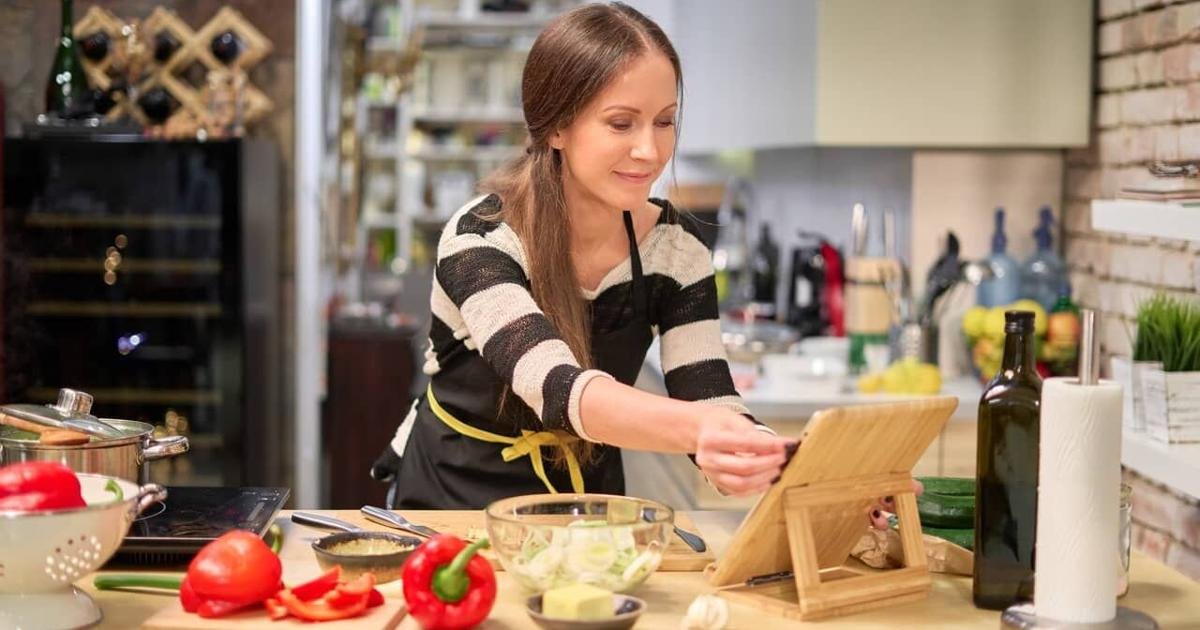
As Americans increasingly choose cooking over the convenience of dining out, online recipe sites are noticing a shift in traffic: Recipe websites received more traffic than food ordering services such as Doordash and Domino’s online ordering portal, according to Statista data from March 2024.
The popularity of online recipe platforms allows consumers to get approximations of their favorite dishes at a fraction of the cost. Americans can try their hand at making chicken fried rice without a wok or teppanyaki using online recipes or watch informative short TikTok and Instagram videos to learn and apply proper techniques.
Although cooking at home comes with its own challenges, including sourcing special ingredients, cooking mistakes, cleanup, dishwashing, and time investment, American families still prefer to prepare meals at home. Concerns over restaurant costs have led consumers to view eating out as an unnecessary “extra” expense or splurge, similar to similarly rising entertainment costs.
Consumer Spending Trends
As food costs soar, frugal American families are finding financial relief in the popularity of recipe platforms and video apps. As American consumers shun budget-busting Sunday brunches in favor of cooking at home, experts are examining their spending habits.
Dana Baggett, executive director of Vericast’s restaurant division, explains, “The steadily increasing cost of dining out is testing the limits of what consumers can and will spend, and we’ve seen a marked decline in consumers dining out, especially among those with household incomes below $75,000.”
“As consumers intentionally reduce spending at restaurants, attracting new customers should become a key focus for restaurant brands.”
