

Isotope studies suggest that ancient Syrians ate mostly grains, grapes, and olives, with very little dairy and meat. If that sounds familiar, it’s basically what many scientists recommend today as the “Mediterranean diet,” which is widely considered to be one of the healthiest diets available to us.

Research on ancient cities
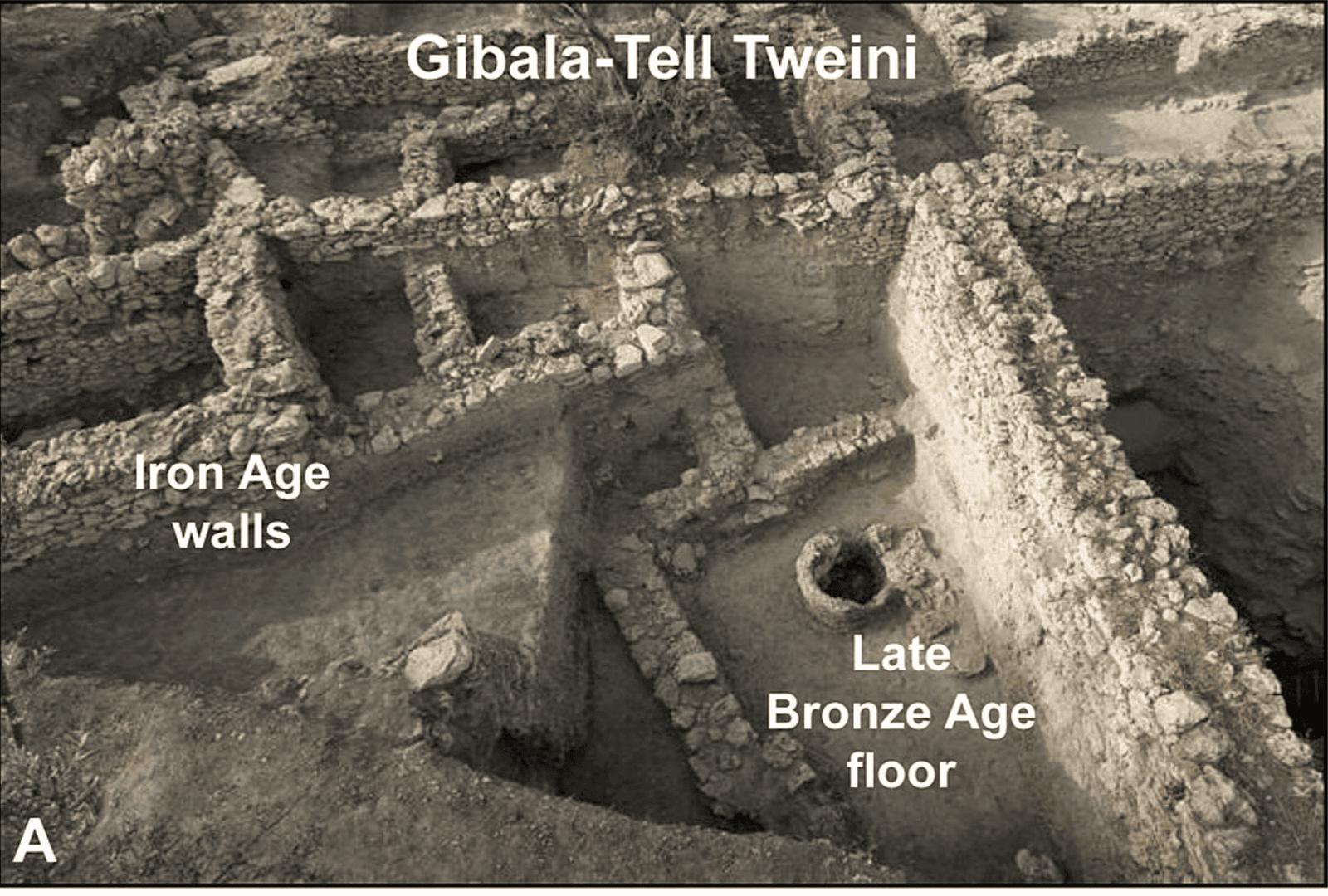
The finds were unearthed at the ancient site of Tell Thweini in modern-day Syria, now identified as the ancient city of Gibala, a major port for the Ugaritic Kingdom. Gibala has been continuously inhabited for thousands of years and contains a large number of priceless artifacts, including dwellings, tombs and agricultural facilities.
In the new study, archaeologists analyzed food remains on jars and other artifacts to try to understand what these people were eating. They performed isotope studies on these remains, as well as animal and human remains. Isotopes are variants of chemical elements that have the same number of protons but a different number of neutrons. By measuring these isotopes, researchers can infer the types of foods consumed and some of the environmental conditions.
Isotopic data indicate that Tell Tweini’s agricultural landscape was diverse and dynamic, reflecting adaptation to climatic variability and socio-economic changes. Seven plant species were analysed: emmer wheat, free-threshing wheat, olive, grape, bitter vetch, ryegrass and barley. Results indicate that these crops were generally well watered, with particular attention paid to high-value crops such as grapes.
During the Early Bronze Age (c. 2400 BC), emmer wheat and barley were the primary cereal grains, cultivated under suitable moisture conditions. By the Middle Bronze Age (c. 2000 BC), open-threshing wheat (now also known as “common wheat”) began to appear, indicating a shift in crop preferences due to changing environmental conditions and agricultural innovations.
During the Late Bronze Age, these trends continued with stable water management practices.Then, during the Iron Age (1200 BC), isotopic evidence indicates increased fertilizer inputs on wheat and olives, suggesting not only more intensive agricultural practices but also a diet similar to the Mediterranean diet.
Ancient Mediterranean, Modern Mediterranean

The researchers also found that people kept animals, including cattle and sheep. But the most remarkable findings came from analyzing the bones themselves. Ancient people ate little meat, instead eating mostly grains and cereals. Olives and grapes were highly prized, and meat was eaten only occasionally.
Dietary patterns are at the heart of any civilization, and understanding these patterns gives us a more nuanced and sophisticated view of what life was like for these people.
“Thanks to interdisciplinary and technological advances in archaeology, we can not only infer the existence of a long cultural tradition of the Mediterranean diet through taxonomic and typological determinations, but also extend these findings through additional analyses, for example stable isotope analyses of human, animal and plant remains, contributing to a deeper understanding of the emergence of a cultural tradition rooted in environmental and social dynamics.”
This isn’t to say “let’s go back to the good old days” — not at all. It’s to suggest continuing a healthy diet rich in whole grains, fruits, vegetables, olives, and small amounts of meat, which are associated with numerous health benefits, including a reduced risk of chronic disease.
Contrary to popular belief, ancient civilizations didn’t eat much meat. In fact, this only became common in the 20th century with the advent of large-scale farms and mass production of meat. The “Mediterranean diet”, as the name suggests, was common in Mediterranean countries and areas with similar climates.
What is the Mediterranean Diet?
The Mediterranean diet is a nutritional pattern inspired by the traditional eating habits of people in Mediterranean countries such as Greece, Italy and Spain. It emphasizes the consumption of plant-based foods, including a variety of fruits, vegetables, whole grains, legumes and nuts. Olive oil is the primary fat source, replacing butter and other fats.
This diet includes moderate amounts of fish and poultry, and red meat is consumed sparingly. Dairy products, primarily cheese and yogurt, are consumed in moderation, and meals are often accompanied by red wine. This diet is high in healthy fats and low in saturated fat, which promotes heart health and overall wellness.
Scientific research consistently shows that the Mediterranean diet is associated with numerous health benefits, especially with regards to heart health. Studies have demonstrated that adhering to the diet reduces the risk of cardiovascular disease, lowers cholesterol levels, and reduces the incidence of strokes and heart attacks. Additionally, the diet has also been linked to a reduced risk of developing type 2 diabetes, certain cancers, and neurodegenerative diseases such as Alzheimer’s.
High intakes of antioxidants, dietary fiber and healthy fats, especially olive oil and fish, contribute to this protective effect. Additionally, the Mediterranean diet has also been associated with improved mental health, including a reduced risk of depression and cognitive decline.
This study was published in PLoS ONE.
Thank you for your feedback!
