

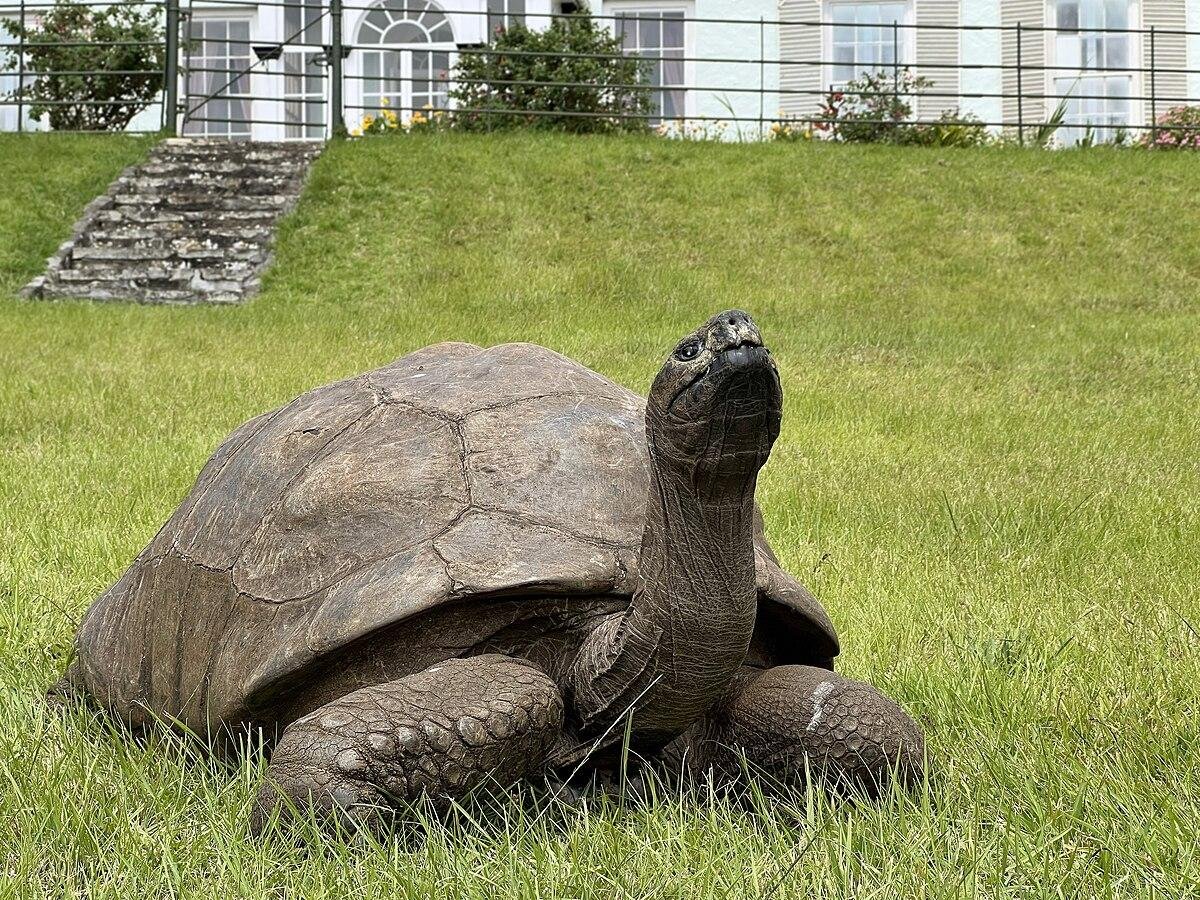
Negligible senescence means a unique resistance to typical age-related declines. It’s a concept that not only fascinates scientists but also has important implications for anti-aging research. Studying these incredible organisms may provide insights that could revolutionize our understanding of aging and lifespan.
The old tortoise and the hare
Negligible aging isn’t just a fancy term. Unlike us humans, who often age around the time of our birthdays, turtles experience minimal deterioration of their biological functions as they age. Unlike most organisms, whose bodily systems slowly decline over time, these creatures appear to defy the typical aging process.
Consider the old tale of the tortoise and the hare, in which the slow and steady tortoise wins the race against the quick but careless hare. Similarly, in the realm of aging, the tortoise plays it slow and steady, maintaining his health and vitality for much longer than most animals, including humans. This stark contrast illustrates how the aging process differs across species.
This isn’t just a theoretical concept: Galapagos giant tortoises, for example, have been known to live for over 100 years. Aldabra giant tortoises are even longer-lived, reaching lifespans of over 150 years. Interestingly, these hardy creatures often succumb to external factors like accidents and predation rather than to natural ageing declines. Their bodies do not undergo the same aging process as ours.
Harriet, a Galapagos tortoise, lived to be 175 years old, while Adwaita, an Aldabra tortoise at Kolkata’s Alipore Zoo, reportedly lived to be 250 years old before dying.
Harriet at Australia Zoo | Photo credit: WIKIMEDIA COMMONS
Life Record
Statistics further attest to the extraordinary lifespan of these reptiles. Many turtles die not from old age, but from external causes such as habitat destruction and human interference. Their natural lifespan is far longer than most other animals, with many species regularly reaching the age of 100. This remarkable resistance to aging provides valuable insight for scientists studying the mechanisms of longevity and how it can be applied to human health and anti-aging research.
The Science Behind Seashells
The near complete lack of aging in tortoises is the result of several important biological mechanisms that contribute to their incredible longevity. Scientists have identified several key factors that influence this process.
- Telomere length: These protective caps at the ends of chromosomes help maintain genetic stability, and in many long-lived reptiles, telomeres shorten very slowly, reducing the impact of aging on cellular function.
- DNA Repair Mechanisms: Tortoises have a highly efficient DNA repair system that allows them to repair genetic damage more effectively than many other species, preventing the accumulation of mutations that often lead to age-related diseases.
- Slow metabolism: A slower metabolic rate means these animals produce fewer free radicals – harmful molecules that damage cells and accelerate aging.
Comparative Analysis
Compared to humans and other animals, these mechanisms show significant differences: for example, humans age faster because their telomeres shorten faster and their DNA repair is less efficient. By understanding these differences, researchers hope to find new ways to combat aging in humans, leading to longer, healthier lives.
Potential uses
The insights gained from studying negligible aging hold great promise for medical applications.
- Drug DevelopmentBy mimicking the biological processes of these long-lived reptiles, scientists may be able to develop drugs that slow aging in humans. These drugs could enhance telomere maintenance, improve DNA repair, or reduce metabolic stress.
- Regenerative MedicineTechnologies inspired by the resilience of turtle and tortoise cells could improve human tissue regeneration and healing, and offer new treatments for age-related conditions.
- Preventive therapyUnderstanding the mechanisms underlying negligible aging may lead to preventive therapies that enhance longevity and quality of life and reduce the burden of chronic diseases associated with aging.
By unlocking the subtle secrets of ageing, scientists hope to transform our understanding of ageing and one day develop innovative therapies that could give humans the long lifespan benefits enjoyed by turtles and tortoises.
Queen bee lifespan
Although queen bees are not immortal, they live much longer (3-4 years) than worker bees (several months). The reasons for this longevity are thought to be:
Royal Jelly Diet
Queen bees are fed a special diet rich in royal jelly throughout their lives. Royal jelly contains a variety of bioactive compounds, including antioxidants, which may help extend the queen’s lifespan. However, research into the anti-aging effects of royal jelly in humans is inconclusive.
Focus on reproduction
Unlike worker bees, queen bees do not engage in physically demanding tasks and focus solely on laying eggs, which may reduce cellular stress and contribute to their longer lifespan.
Worker bee mortality
Busy and short
Worker bees have a short lifespan due to hard work and exposure to dangers outside the hive.
Associated with negligible aging
Although queen longevity is not as unusual as that of turtles, it highlights that certain factors can affect lifespan within a single species, which may prompt further research into the mechanisms behind queen longevity and its potential association with negligible senescence.
This is a premium article available only to our subscribers. To read over 250 premium articles every month,
You’ve reached your limit for free articles. Support quality journalism.
You’ve reached your limit for free articles. Support quality journalism.
You have read {{data.cm.views}} from {{data.cm.maxViews}} Free articles.
This is the last free article.
