

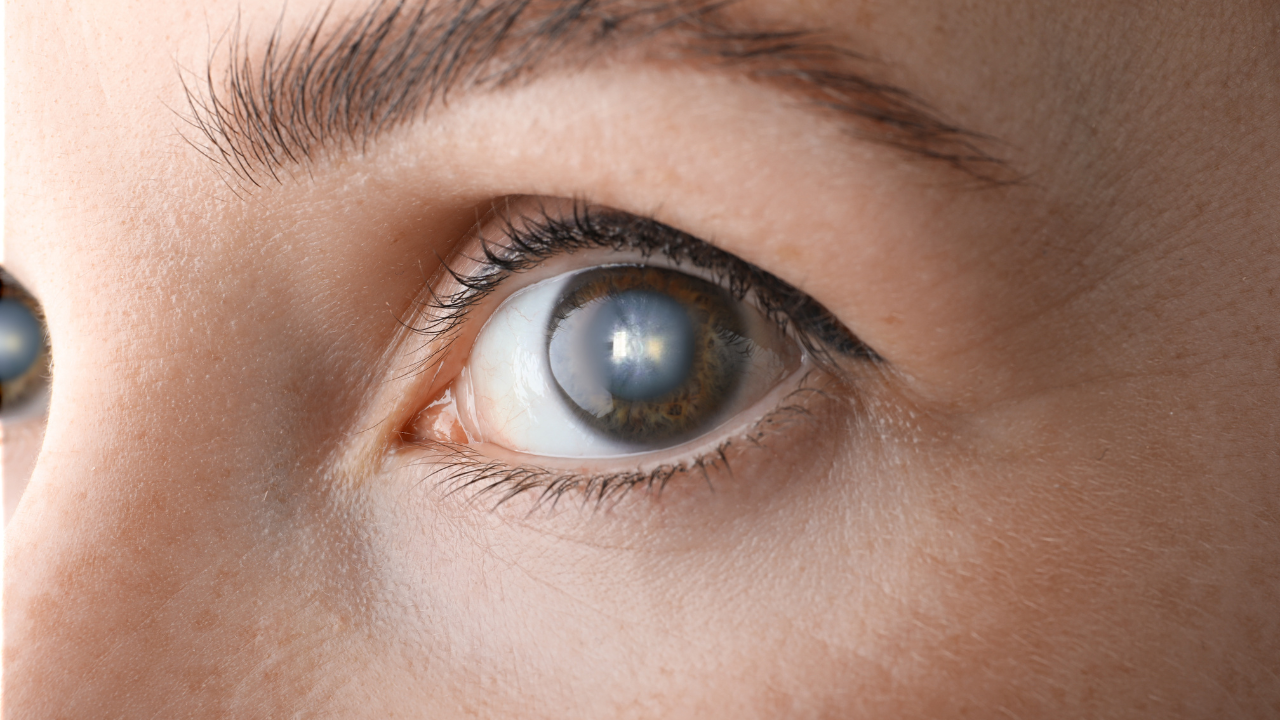
Cataracts are the most common cause of vision impairment worldwide, as the lens becomes clouded, blocking the passage of light and resulting in loss of vision. Understanding the causes, risk factors and prevention strategies for this disease is important to maintain eye health and prevent its progression.
Causes of Cataracts
Age-related cataracts
Age-related cataracts, one of the most common types of cataracts, tend to develop as part of normal aging: Proteins in the eye’s lens begin to break down and clump together, causing the lens to cloud.
Congenital cataracts
Congenital cataracts develop during childhood or before birth and can have a variety of causes, including genetic predisposition, infections during pregnancy (such as rubella), or metabolic disorders.
Traumatic cataract
These cataracts can develop soon after or many years after an injury to the eye. Physical damage can damage the structure of the lens, causing it to become cloudy.
Steroid-induced cataracts
Long-term administration of corticosteroids, either systemically (by mouth) or topically (by eye drops), can cause cataracts. Steroids can affect the protein structure of the lens and promote cataract development.
Risk Factors for Cataracts
1. Smoking: Smoking introduces many toxins into the body, causes oxidative stress, and damages the proteins in the eye lens, increasing the risk of cataracts.
2. Diabetes and Obesity: Diabetics and Obesity: People with diabetes are at higher risk of developing cataracts due to high blood sugar levels, which affect the structure of the lens. This risk is further increased by the effects of obesity on metabolism and oxidative stress.
3. Excessive Sun Exposure: Prolonged exposure to ultraviolet (UV) rays from the sun can alter the proteins in the lens and lead to the formation of cataracts. UV accelerates oxidative damage in the eye.
4. Previous eye injury or inflammation: Eye injury or chronic inflammation can increase the risk of developing cataracts by causing structural damage and promoting protein aggregation in the lens.
5. Excessive use of corticosteroids: According to Dr Mandeep Singh Basu, director, Basu Eye Hospital, “Regular and prolonged use of corticosteroids to treat various medical conditions can affect the clarity of the lens and increase the risk of cataracts.”
6. Alcohol intake: Consuming alcohol in large quantities can cause oxidative stress and nutritional deficiencies that affect eye health and may lead to the development of cataracts.
Ayurvedic Practices and Strategies for Cataract Management
Ayurveda, the traditional Indian system of medicine, offers a variety of treatments to treat cataracts.
1. Regular eye check-ups: Regular eye check-ups can help detect cataracts early and allow for timely intervention and management.
2. Quit smoking: Quitting smoking can significantly reduce the risk of cataracts and other eye-related diseases. Smoking cessation programs and support are available.
3. Manage diabetes and other health conditions: Proper management of diabetes through diet, exercise and medication can help control blood sugar levels and reduce the risk of cataracts. Maintaining a healthy weight and managing other medical conditions also play an important role.
4. Healthy diet: A diet rich in antioxidants, vitamins and minerals can help promote eye health, especially fruits and vegetables high in vitamins A, C, E, lutein and zeaxanthin.
5. Wear Sunglasses: Protecting your eyes from harmful UV rays by wearing sunglasses with UV protection can help prevent cataracts.
6. Reduce your alcohol intake: Limiting your alcohol intake will reduce your risk of cataracts and improve your overall health.
7. Herbal remedies: Herbs such as triphala, amalaki (Indian gooseberry) and gotu kola (centella asiatica) are thought to support eye health. These herbs are available in a variety of forms, including powders and supplements.
8. Eye Exercises: Certain eye exercises like rotating your eyes and focusing on distant objects can help keep your eyes flexible and healthy.
9. Panchakarma Therapies: Detoxifying therapies like Nasyam (intranasal administration of medicated oils) and Netra Tarpana (pouring medicated ghee into the eyes) are used to purify and rejuvenate the eyes.
10. Lifestyle Changes: Ayurveda also recommends stress management, adequate sleep, and avoiding exposure to environmental pollutants to support overall eye health.
Cataracts are common and treatable, and by understanding the causes and risk factors, you can take proactive steps to prevent cataracts from developing.
Causes of Cataracts
Age-related cataracts
Age-related cataracts, one of the most common types of cataracts, tend to develop as part of normal aging: Proteins in the eye’s lens begin to break down and clump together, causing the lens to cloud.
Congenital cataracts
Congenital cataracts develop during childhood or before birth and can have a variety of causes, including genetic predisposition, infections during pregnancy (such as rubella), or metabolic disorders.
Traumatic cataract
These cataracts can develop soon after or many years after an injury to the eye. Physical damage can damage the structure of the lens, causing it to become cloudy.
Steroid-induced cataracts
Long-term administration of corticosteroids, either systemically (by mouth) or topically (by eye drops), can cause cataracts. Steroids can affect the protein structure of the lens and promote cataract development.
Risk Factors for Cataracts
1. Smoking: Smoking introduces many toxins into the body, causes oxidative stress, and damages the proteins in the eye lens, increasing the risk of cataracts.
2. Diabetes and Obesity: Diabetics and Obesity: People with diabetes are at higher risk of developing cataracts due to high blood sugar levels, which affect the structure of the lens. This risk is further increased by the effects of obesity on metabolism and oxidative stress.
3. Excessive Sun Exposure: Prolonged exposure to ultraviolet (UV) rays from the sun can alter the proteins in the lens and lead to the formation of cataracts. UV accelerates oxidative damage in the eye.
4. Previous eye injury or inflammation: Eye injury or chronic inflammation can increase the risk of developing cataracts by causing structural damage and promoting protein aggregation in the lens.
5. Excessive use of corticosteroids: According to Dr Mandeep Singh Basu, director, Basu Eye Hospital, “Regular and prolonged use of corticosteroids to treat various medical conditions can affect the clarity of the lens and increase the risk of cataracts.”
6. Alcohol intake: Consuming alcohol in large quantities can cause oxidative stress and nutritional deficiencies that affect eye health and may lead to the development of cataracts.
Ayurvedic Practices and Strategies for Cataract Management
Ayurveda, the traditional Indian system of medicine, offers a variety of treatments to treat cataracts.
1. Regular eye check-ups: Regular eye check-ups can help detect cataracts early and allow for timely intervention and management.
2. Quit smoking: Quitting smoking can significantly reduce the risk of cataracts and other eye-related diseases. Smoking cessation programs and support are available.
3. Manage diabetes and other health conditions: Proper management of diabetes through diet, exercise and medication can help control blood sugar levels and reduce the risk of cataracts. Maintaining a healthy weight and managing other medical conditions also play an important role.
4. Healthy diet: A diet rich in antioxidants, vitamins and minerals can help promote eye health, especially fruits and vegetables high in vitamins A, C, E, lutein and zeaxanthin.
5. Wear Sunglasses: Protecting your eyes from harmful UV rays by wearing sunglasses with UV protection can help prevent cataracts.
6. Reduce your alcohol intake: Limiting your alcohol intake will reduce your risk of cataracts and improve your overall health.
7. Herbal remedies: Herbs such as triphala, amalaki (Indian gooseberry) and gotu kola (centella asiatica) are thought to support eye health. These herbs are available in a variety of forms, including powders and supplements.
8. Eye Exercises: Certain eye exercises like rotating your eyes and focusing on distant objects can help keep your eyes flexible and healthy.
9. Panchakarma Therapies: Detoxifying therapies like Nasyam (intranasal administration of medicated oils) and Netra Tarpana (pouring medicated ghee into the eyes) are used to purify and rejuvenate the eyes.
10. Lifestyle Changes: Ayurveda also recommends stress management, adequate sleep, and avoiding exposure to environmental pollutants to support overall eye health.
Cataracts are common and treatable, and by understanding the causes and risk factors, you can take proactive steps to prevent cataracts from developing.
