

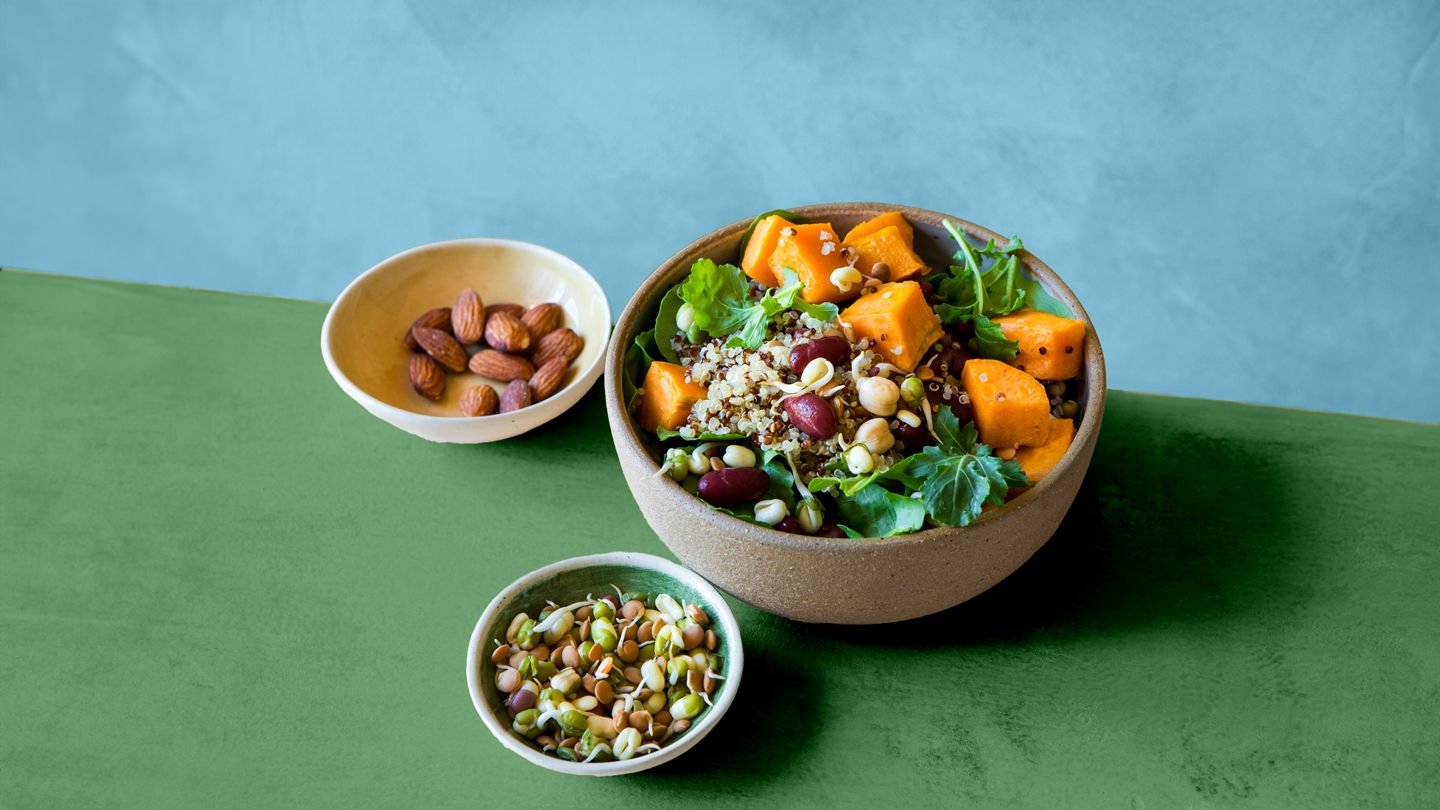
A diet that emphasizes minimally processed, plant-based foods, while still allowing moderate amounts of meat and dairy, could not only have huge environmental benefits, but could also help extend your lifespan.
People who followed this diet most closely all had a lower risk of death from cancer, heart disease, and lung disease. They also produced fewer greenhouse gas emissions and had other positive effects on climate change.
“We were struck by the fact that all leading causes of mortality were lower among participants who adhered most closely to planet-healthy diets, and the magnitude of the environmental benefits was remarkable,” said study author Walter Willett, M.D., professor of epidemiology and nutrition at the Harvard T.H. Chan School of Public Health. “Shifting to planet-healthy diets has the potential to be a huge double win: better personal health now and a major contribution to a livable planet for future generations.”
All major causes of death decreased
The analysis was based on health data from more than 200,000 men and women aged 27 to 70 who were free of major chronic diseases at the start of the study. Participants completed dietary questionnaires every four years for up to 34 years. Adherence levels were determined according to intake of 15 food groups, including whole grains, vegetables, chicken and nuts.
The Planetary Health Diet recommends that half of your diet consist of fresh fruits and vegetables, and the other half consist of mostly whole grains, plant-based proteins (beans, lentils, legumes, and nuts), unsaturated vegetable oils, moderate amounts of meat and dairy products, and small amounts of added sugars and starchy vegetables. Just under 1/4 pound of lean meat per week and no more than 1 cup of milk per day are recommended.
The study authors estimated that the top 10% of people who adhered most to their diet had a 30% lower risk of premature death than those in the bottom 10%.
For specific causes of death, higher adherence was associated with a reduced risk of:
- 14% lower risk of death from heart disease
- 10% reduction in risk of death from cancer
- 47% reduction in risk of death from respiratory disease
- 28% reduction in risk of death from neurodegenerative diseases
Dr. Willett noted that in this study, the reduced risk did not translate into additional years of life.
Environmental factors improve with happiness
“The health of the planet and human health are intimately linked,” Malone says. “If we want to be active, enjoy the outdoors, and have clean air and water, we need to pay attention to how what we eat impacts the planet.”
In the study, researchers noted that high adherence to this type of diet was associated with a 29 percent reduction in greenhouse gas emissions and a 51 percent reduction in land use.
Limiting dairy and red meat consumption reduces greenhouse gas emissions by avoiding the highly inefficient conversion of grains into meat and milk, Willett said.
“this [shift away from meat and dairy] “It also frees up vast amounts of land that can be used for other purposes, such as reforestation, and avoids the continued production of methane by ruminant animals,” he says. Reforestation is an effective way to further reduce the levels of greenhouse gases that contribute to climate change.
The study authors calculated the environmental impact using a summary of previous studies that detailed the greenhouse gas emissions and other environmental factors of specific foods, such as a glass of milk, a hamburger or an ounce of nuts.
How to make an impact without giving up meat
Malone stresses that you don’t have to go completely vegan to reap both health and environmental benefits.
“Start by eating less meat and more plant-based foods, eating small portions, and planning your meals to avoid wasting food,” she says.
Willett said such measures are essential to the health and well-being of everyone on the planet.
“Ultimately, if we don’t change the course we’re on, the planet is going to become an inhospitable place,” he says.
