

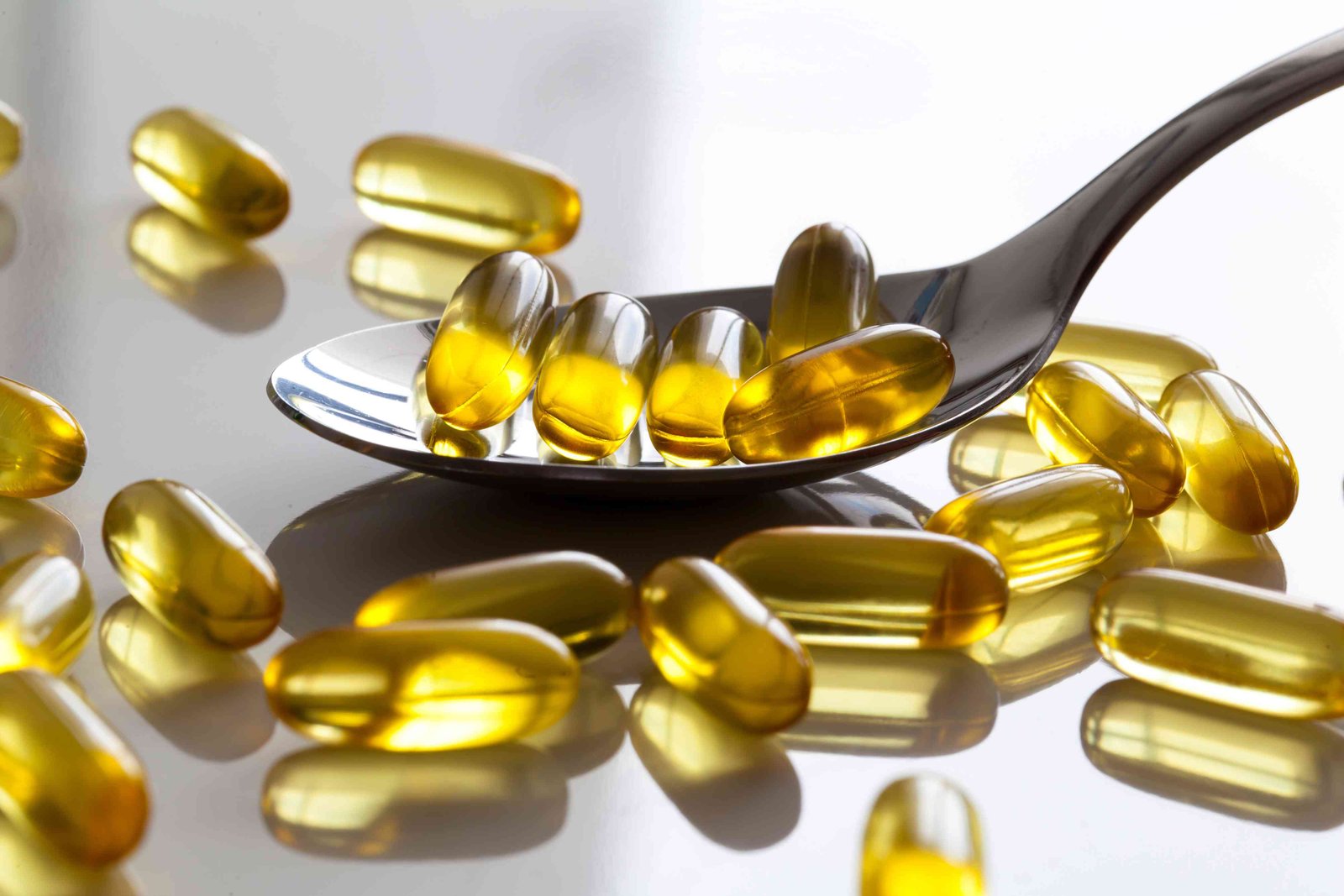
Docosahexaenoic acid DHA is an omega-3 fatty acid found primarily in cold-water fish. Eicosapentaenoic acid EPA (also known as docosahexaenoic acid) is another fatty acid. DHA, one of the most important forms of omega-3 fatty acids, is involved in brain growth and function. In the body, DHA levels are especially high in the retina (eye), brain, and sperm cells. In the grey matter of the brain, DHA makes up up to 20% of the total lipids (fats).
Your body needs DHA at every stage of life: it’s involved in healthy development in the womb, preventing premature birth, preventing heart disease, and improving eye health and cognitive function as you age.
Generally, DHA is safe and can be found in fish and supplements. However, consuming high amounts of DHA or eating too much fish can lead to health risks. For example, high DHA levels can increase the risk of bleeding. DHA may also interfere with some medications, such as those used to treat type 2 diabetes.
Dietary fats, such as omega-3 fatty acids, are an important part of a balanced, nutritious diet. Not only do these fats add interesting flavor to foods, but they also have important health benefits, including reducing heart disease. Omega-3s are also being studied for their use in preventing certain types of cancer, neurological disorders, and arthritis. DHA, in particular, may have beneficial health effects in a number of ways.
May reduce triglycerides
Some studies have shown that taking DHA alone or with EPA can lower triglyceride levels. Studies have shown that in adults with mildly high lipid levels, imbalanced lipid levels, or high triglyceride levels, taking 1.25 to 4 grams (g) daily for up to seven weeks can lower triglyceride levels by 17 to 24%.
Another study found that taking fish oil fortified with 810 milligrams (mg) of DHA and 210 mg of EPA daily for eight weeks reduced triglyceride levels by 23% in premenopausal adults. It’s important to note that DHA does not lower total cholesterol and may increase LDL cholesterol (bad cholesterol) levels.
May prevent premature birth
Research suggests that taking DHA during pregnancy may reduce the chance of premature birth, especially in those with low DHA levels early in pregnancy. A large clinical trial found that taking 1,000 mg of DHA per day from about 12-20 weeks of pregnancy reduced the risk of premature birth by 1.7%, compared with a 2.4% rate for women who only got 200 mg of DHA per day.
However, taking fish oil supplements if you already have good DHA levels may increase your risk of preterm birth. One study showed that taking a fish oil supplement containing 800 mg of DHA daily from 20 weeks before pregnancy until 34 weeks of pregnancy increased the risk of preterm birth compared to placebo in women with a baseline omega-3 status above 4.9%. However, in those with omega-3 levels below 4.1%, this risk decreased from 3.2% to 0.7%.
May reduce risk of heart disease
There’s also evidence that increasing the amount of DHA in your diet, either through food or supplements, may reduce your risk of heart disease. One study found that increasing the amount of DHA you get through supplements reduced your risk of heart-related problems.
Other evidence suggests that DHA may be associated with a lower risk of all-cause mortality, sudden cardiac arrest, and fatal and nonfatal myocardial infarction. However, researchers note that more research is needed to fully understand DHA’s role in promoting heart health.
Although no specific recommended amount for DHA has been established, medical experts recommend a consistent intake of omega-3 fatty acids, including DHA, from foods and supplements.
No tolerable upper intake level has been established, but the U.S. Food and Drug Administration (FDA) states that up to 3 grams of DHA per day is generally recognized as safe for most people.
For pregnant or breastfeeding people, most experts recommend getting about 200 to 300 mg of DHA each day, primarily from food. You can usually get this amount by eating 8 to 12 ounces (oz) of seafood per week during pregnancy and 4 to 8 ounces per week while breastfeeding.
People following a vegan diet can meet their DHA needs with supplements, but it’s important to talk to your healthcare professional about how much to take during pregnancy.
Most types of fish, fish oils, cod liver oil, algae oil, and krill oil contain DHA. DHA may also be added to certain brands of eggs, milk, yogurt, juice, and soy milk. Breast milk and infant formula may also contain DHA. In the United States, most brands of infant formula have had DHA added to them since 2002.
The foods highest in DHA are:
- salmon: 1.24 g
- herring: 0.94 g
- sardine: 0.74 g
- Canned Salmon: 0.63 g
- mackerel: 0.59 g
- sea bass: 0.47 g
- Rainbow trout: 0.44 g
- oyster: 0.23 g
- Canned tuna: 0.17 g
- shrimp: 0.12 g
Eggs and chicken breasts also contain small amounts of DHA.
supplement
If you’re looking to supplement, most omega-3 supplements contain DHA. For example, a typical fish oil supplement contains about 1,000 mg of fish oil and about 120 mg of DHA.
Plant-based sources of omega-3, such as algal oil, typically contain about 100-300 mg of DHA, and researchers have shown that the bioavailability of the DHA in algal oil is similar to that of cooked salmon.
However, different types of omega-3 supplements vary in quality, ingredients, and amounts, so check the product label to be sure you’re getting the types and amounts of omega-3s you need. And because supplements aren’t regulated by the FDA, when you buy supplements, make sure they’re third-party tested for purity and potency.
DHA is generally considered safe. However, consuming large amounts of omega-3 fatty acids such as DHA may increase the risk of bleeding. DHA may also increase blood sugar levels, making type 2 diabetes harder to manage.
For these reasons, the FDA recommends limiting DHA intake from foods to 3 g per day. If you take a supplement, keep DHA intake from foods to 2 g or less per day.
Side effects from taking omega-3 supplements are usually mild unless taken in excess. Typical side effects from regular supplementation include a bad aftertaste, bad breath, smelly sweat, heartburn, stomach upset, nausea, diarrhea, and headaches.
Interaction
If you’re taking medications, it’s important to consult with your healthcare professional before supplementing with DHA. DHA may interact with existing medications or supplements. For example, taking DHA along with high blood pressure medications may increase your risk of low blood pressure (or hypotension).
DHA may interfere with the effectiveness of diabetes medications and may increase the risk of bleeding when taken with anticoagulants or antiplatelet (blood-thinning) medications.
DHA (docosahexaenoic acid) is an important omega-3 fatty acid that contributes to several important functions in the body, including fetal brain development and brain function in adults and children. Most people get enough DHA from their diet, but some people take supplements for additional health benefits.
There’s evidence that DHA may lower triglyceride levels, protect heart health, and prevent premature birth. If you’re concerned about your DHA levels, talk to your health care professional about taking a supplement, especially if you don’t eat fish. However, supplements aren’t suitable for everyone.
