

With the focus on clinician wellness and mental health, medical leaders and medical schools must be mindful of the stress placed on students and residents.
Surveys show the majority of physicians experience burnout: Six in 10 physicians said they have experienced burnout, according to the Physicians Foundation’s 2023 America’s Current and Future Physicians Survey. But the survey also sheds light on disturbing findings among those expected to fill today’s physician workforce.
More than half of medical students (55%) said they felt hopeless, and almost half of residents (43%) said they felt hopeless, according to the report.
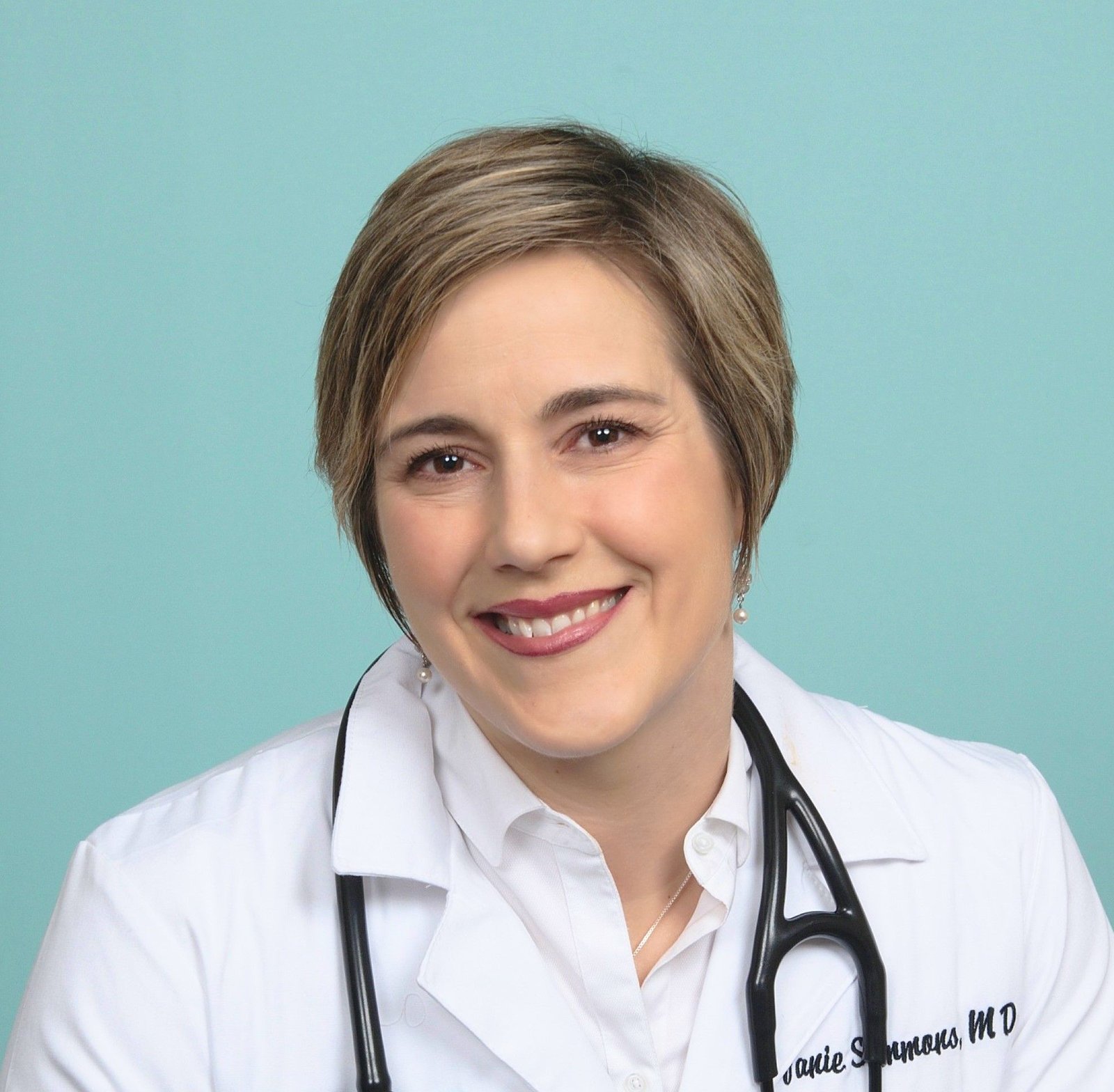
Stephanie Simmons, chief medical officer for the Dr. Lorna Breen Heroes Foundation, told Chief Healthcare Executive® that the healthcare industry needs to think about the pressure it puts on aspiring doctors and nurses.
“I think we need to really think about, not just as medical professionals, but as nursing and all health care professionals, what it takes to graduate competent, skilled health care workers, and what it takes for health care workers to be healthy as people and have the emotional intelligence and empathy to build meaningful relationships with patients,” Simmons says.
At the same time, the US is already facing a doctor shortage: The Association of American Medical Colleges predicts the national physician gap could reach 86,000 by 2036, meaning the health care system can’t afford to let any more doctors go.
On the positive side, she notes, young adults are more likely to admit to their mental health issues and may be more open to getting help.
“Among the new generations of health care professionals who have just completed or are currently undergoing training programs, there is a generational difference in willingness and openness to seek mental health care, especially in the area of internal and external stigma,” Simmons said.
At the same time, students are facing greater academic pressures earlier than those who entered medical school years ago, and Simmons recalls hearing from med school professors that they weren’t sure if they could make it now.
“I always laughed about it,” Simmons said, “and I still feel the same way now.”
To be admitted to medical school, students must meet higher academic standards and are expected to excel in other areas as well.
“A lot of young people going into medical school and nursing school have already published, which is something we didn’t do until residency,” Simmons said, “so it’s less stressful, it’s less stressful of a sense of accomplishment, and it’s getting younger and younger.”
“There are so many different factors that go into why trainees experience burnout,” she added.
Simmons suggested that finding ways to reduce levels of burnout among medical students and residents “is probably something that can be accomplished sooner or later.”
“It’s probably a more diverse human experience,” she says, “and I think that’s the change we need to make if we want to have sustainable health professions training.”
“Medical schools should be serving the needs of the next generation, not the other way around,” said Chip Baggett, executive vice president and CEO of the North Carolina Medical Association.
He also says that settlements cannot simply be viewed the same way they were in the past.
“You can’t do it just because that’s the way you’ve always taught or the way you’ve always trained or the way you’ve always worked,” Baggett said.
He added that working long hours or failing to take vacations should not be seen as a disgrace.
“We have to forget about that for a second and look at these kids and think, wow, they’re smarter than we think they are,” Baggett said. “We need to pay attention and incorporate that into future learning, because if we can find a way to open ourselves to that, future learning will really accelerate patient outcomes to be great.”
Simmons recalls doing her internship before the 80-hour work week limit for residents went into effect, and finishing her internship after the 80-hour cap was imposed. The 80-hour limit, she says, “actually improves your ability to function and be a rational human being.”
“I think we’ve yet to find that fine balance of really supporting and encouraging our trainees while also adequately preparing them for the rigors of the medical profession,” Simmons says.
Nursing leaders are also stressing the importance of giving less experienced nurses time to get their footing: Jennifer Mensik Kennedy, president of the American Nurses Association, said in a recent interview with Chief Healthcare Executive that employers should take experience, or lack thereof, into account when creating work schedules.
“Nurses with only a few months of experience are being asked to do the same amount of work as more experienced nurses,” Menshik-Kennedy said. “So no one has time to stop and think, and people start saying, ‘I don’t need to do this,’ and they start quitting.”
Menshik-Kennedy also points out the need to provide mentoring opportunities for junior nurses, including ensuring that senior nurses have ample time to mentor their less experienced teammates. Too many nurses, she says, are overwhelmed with unmanageable workloads.
“With the amount of work that nurses have to prioritize and allocate care, there’s not enough time in the day to actually stop and provide guidance,” Menshik-Kennedy said, “so new graduate nurses and junior nurses feel and see how hard the more experienced nurses are working and don’t have the time to help or guide them.”
