

The environmentally-advocated plant-protein diet now has a more humane argument: it may lower the risk of death from several major diseases.
“This isn’t just one cause of death, this is across the board,” said Walter Willett, a professor of epidemiology and nutrition at the Harvard School of Public Health.
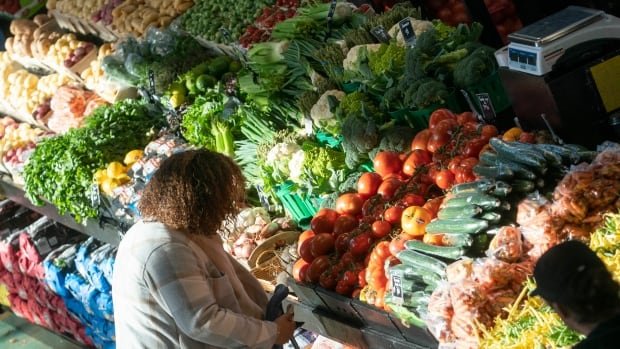
Willett is co-author of a new study looking at the Planetary Health Diet (PHD), which he helped develop as part of the EAT-Lancet Commission in 2019, and its impact on mortality. The diet encourages increased intake of plant proteins such as nuts and legumes, fruits and vegetables, and healthy unsaturated fats, while reducing intake of animal protein sources and added sugars.
The new study, published in the peer-reviewed American Journal of Clinical Nutrition, looked at decades’ worth of dietary data from more than 200,000 US health care workers. They were given a score for how closely participants’ eating habits followed the Planetary Health Diet. The closer they were to the Planetary Health Diet — more nuts, less red meat, for example — the better they fared.
“All the leading causes of death have gone down, including heart disease, cancer, neurodegenerative diseases such as Alzheimer’s and Parkinson’s, and a huge benefit against dementia,” Willett said. [respiratory] death. ”
Willett also noted that the top 10% of participants who followed the diet had a 30% reduced risk of death from any cause.
Mortality data were obtained from more than 54,000 participants who died during the study period.
Certain foods were associated with lower risk
Katherine Bradbury, a senior research fellow at the University of Auckland’s school of population health, said the study was comprehensive and took external factors into account.
“The researchers also looked at other behaviors, such as participants’ exercise and smoking habits,” said Bradbury, who was not involved in the study, who highlighted certain foods that were particularly affected in the study.
“Eating lots of whole grains, nuts and healthy fats like olive oil and sunflower oil was the most important thing in reducing the risk of death,” Bradbury told CBC News from Auckland.
She added that reducing red meat consumption was also important in the analysis.

Making a difference
For Joshna Maharaj, a Toronto-based chef, author and food activist, the research is clear and important.
“This is beautiful, fundamental, basic wisdom,” Maharaj said, adding that it was further academic support for what sustainability advocates have long been saying.
But she stresses that it’s not just about cutting back on certain foods like red meat, but also about growing more food organically.
“There are environmentally friendly ways to eat meat,” Maharaj says. “You might eat less and make more money, but raising and eating animals can be part of a functioning system.”
Maharaj says current meat production is industrialized and puts a strain on the environment, both through the chemicals used and the land used to support factory farms.

Can you tell the difference between local produce and the imported stuff sold in your grocery store? Put your food knowledge to the test with Samira Mohyeddin, host of the CBC Radio series “Unforked,” and Toronto chef and author Joshna Maharaj.
She says Canadians who want to make change can start by looking in their refrigerators and learning about their own consumption patterns.
“Don’t worry about whether some magical change is going to happen,” Maharaj says.
Plates and policies
The good news for Canadians is that the country’s dietary guide, updated in 2019, already encourages consumption of plant-based protein and limits processed foods and sugary drinks.
“The Canadian Food Guide is pretty much aligned with sustainable dietary patterns,” says Benoit Lamarche, scientific director of the NUTRISS Centre at Laval University and recent author of a paper comparing the guide to PHD.

But the challenge remains of educating people on what their ideal diet should consist of: Canada’s dietary guide, for example, has a tidy quarter dedicated to common proteins, and tells people how much of each type they should eat.
“We need protein, but total protein amount is not a good indicator of how healthy we are eating,” Lamarche says. “The source of the protein is a better indicator of the quality of our diet.”
Lamarche stressed that a sustainable diet is not just about eating healthy, but also about affordability, cultural appropriateness and whether it is truly good for the environment.
Can diets really save the planet?
The new study also found that following a PHD reduces environmental impact, based on calculations that the foods included in the diet produce fewer greenhouse gas emissions and require less water, fertilizer and arable land.
“That’s a huge thing,” Willett told CBC News from Cambridge, Massachusetts, “because it means we’re going to be able to return some of our cropland to forest, and that will definitely help stabilize the climate situation around the world.”

Climate change is primarily caused by the burning of fossil fuels, but is also exacerbated by agricultural emissions, including methane, a short-lived but potent greenhouse gas, which create a negative feedback loop in which food production is threatened by droughts and other extreme weather events that are intensified and prolonged by climate change.
According to an analysis of United Nations data by Our World in Data, roughly 80 percent of the planet’s agricultural land is used for grazing and growing feed for livestock.
“If everyone at a population level could reduce their intake of animal-based foods, it would be much more efficient to use that land to directly grow the plants we eat,” Bradbury said.
Willett says there’s an urgent need to address the climate impact of what we eat.
“This is frightening and unusual because it’s not linear, it’s accelerating, and we’re reaching a tipping point of no return.”
