

Protein is a powerful macronutrient famous for helping build muscle. Amino acids are the tiny building blocks that make up protein. Proteins are essential and perform special functions throughout the body, including fluid balance, hormone regulation, and maintaining good health.
The hair on your head, the skin that covers your body, and the muscles you move every day are just a few of the parts of your body that are supported by protein.
Many health-conscious people worry about getting enough protein. Taking protein supplements is a popular way to ensure they’re getting enough protein. According to Statistica, protein powder sales were $4.14 billion in 2018.
But are protein powders healthy? Should you use them? Read on to find out.
What is Protein Powder?
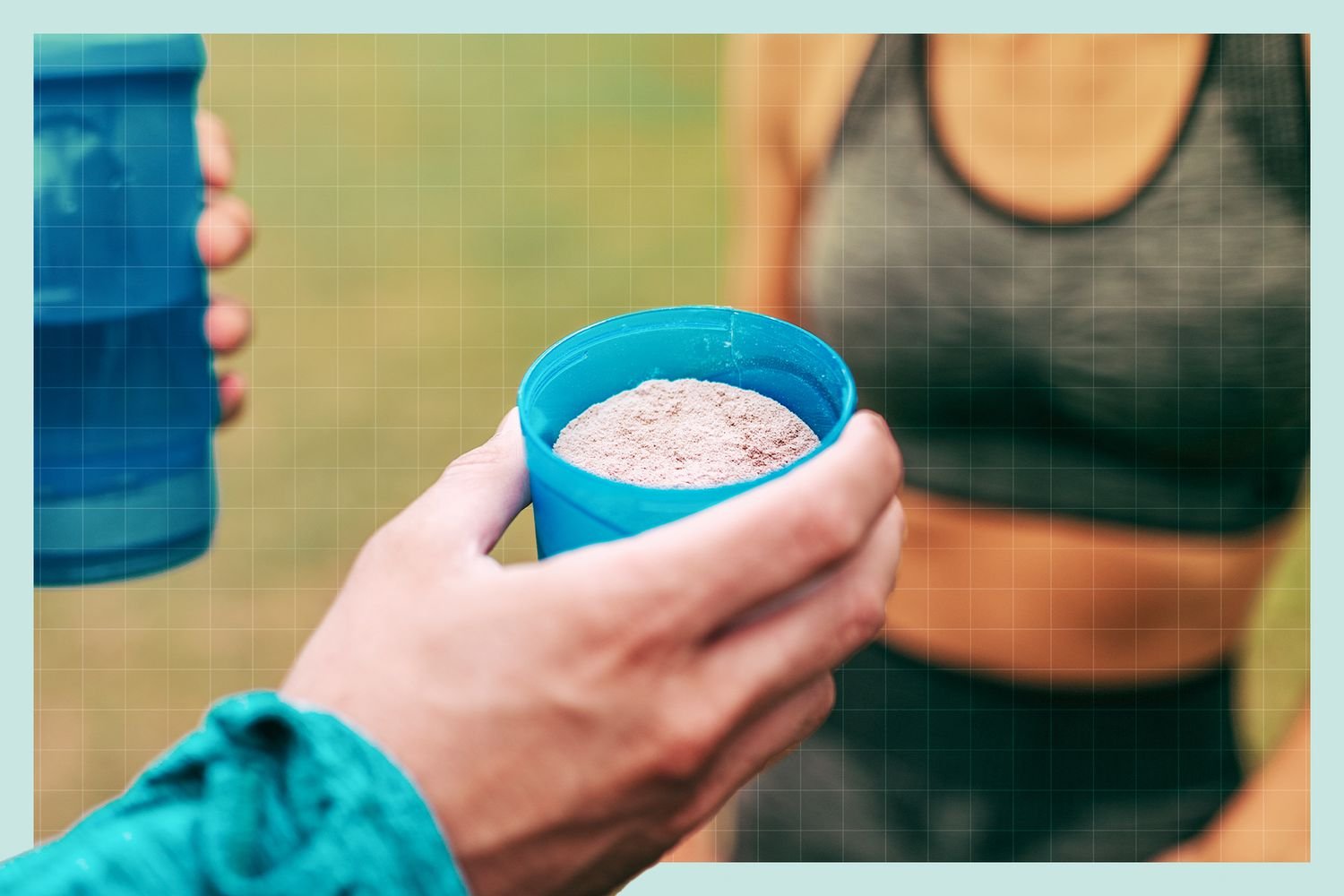
Protein powders are popular among athletes and fitness gurus because they help build muscle and enhance physical performance. But protein powders aren’t just for exercise and sports. Many people turn to protein powders to meet their daily protein needs, gain or lose weight, and recover from injury or surgery. Protein powders are dietary supplements made by extracting protein from animal and plant foods.
Animal Protein
One of the most common types of protein powder is whey protein, which is water-soluble and makes up 20% of the protein in milk. Whey protein is rich in the essential amino acid leucine and is easy to digest.
Other animal protein powders are made from eggs, collagen, and casein, with casein making up the remaining 80% of milk proteins.
Plant Protein
The growing trend towards plant-based foods has led to a rise in the demand for plant-based protein powders. Today, there are many plant-based protein supplements available on the market, including pea, hemp, pumpkin seed, soy, algae and rice protein powders. These products are ideal for people with dairy allergies.
The benefits of protein powder
Weight Management
When I work with clients, I encourage them to include a protein source with every meal to help them feel full and satisfied. While this can be difficult for some people to achieve at breakfast, it has a huge impact on how you feel and eat for the rest of the day. Protein can help you achieve or maintain a healthy weight by making you feel satisfied after eating.
2020 in review Clinical Nutrition ESPEN Adults who consumed whey protein supplements lost weight and fat mass. High-protein diets are hotly debated, but a 2020 review found: Journal of Obesity and Metabolic Syndrome We found evidence that consuming more protein than the recommended dietary intake can lead to weight loss and improved body composition, regardless of total calorie intake.
Ironically, if you’re underweight, adding protein powder to your diet may help you gain weight. Eating too much protein can lead to weight gain because the protein your body can’t use will be stored as fat. Also, if you’re strength training, protein can help build muscle, which can lead to overall weight gain.
Muscle Growth
Weightlifters widely use protein shakes and supplements to build muscle. Protein powders stimulate muscle growth in active people. A 2018 review found that: British Journal of Sports MedicineWeight-training adults who took protein supplements experienced significant increases in strength and muscle mass in just six weeks.
Preventing muscle loss
Older adults have increased protein needs. As they age, older adults may have reduced dietary intake, become less physically active, and lose muscle. Muscle loss increases the risk of falls and increases the risk of injury. A 2020 review found that: Experimental Gerontology Whey protein has been suggested to reduce the risk of falls and muscle loss in older adults.
Convenience
Protein powders come in a variety of flavors, from fruity to chocolate to plain, and can be easily mixed into a variety of foods. They work well in smoothies, soups, drinks, cookies, granola bars, hot cereals, and pancake batter.
The most common way to use protein powder is to mix it into shakes or smoothies, making it easy to eat on the go.
multipurpose
Today’s many special diets and food allergies have created a growing demand for diet-friendly foods. If you’re following a vegan lifestyle, you need a vegan protein powder. If you want to limit your carbohydrate intake, you need a low-carb protein powder. Want to boost your skin health? Collagen protein powder might be just what you need. Whether you’re on a low-carb, plant-based, or gluten-free diet, there’s a protein powder out there that can help you reach your health goals.
Disadvantages of protein powder
Potential Contaminants
The nonprofit Clean Label Project looked at the ingredients of 134 top-selling protein powders and found that 75% of the protein powders tested contained some amount of lead, and 55% tested positive for BPA. The study also found traces of mercury, arsenic, and cadmium.
Possibility of excessive protein intake
Eating large amounts of protein over a long period of time can have a number of negative health effects. For example, too much protein can overwork your kidneys and create an acidic environment, which can lead to an increased need to urinate as well as bone and liver problems.
Increasing your protein intake often means reducing your carbohydrate intake, which can make you feel lethargic and unable to concentrate. Also, reducing carbohydrate intake can lead to constipation, as it reduces nutrients such as whole grains and fiber, which are necessary to keep materials circulating in the intestines.
cost
Quality protein powders can be expensive compared to whole-food proteins. For example, protein powders can cost anywhere from $0.42 to $2.90 per ounce. However, you can buy protein-rich tofu at the grocery store for around $0.18 per ounce.
What to look for when choosing a protein powder
Third Party Tested
It may come as a surprise to some, but the U.S. Food and Drug Administration (FDA) doesn’t analyze protein powders for their content, but a 2019 study found that: Latest Sports Medicine ReportSome organizations offer third-party testing of their products.
One such organization is the National Sanitation Foundation (NSF), which conducts third-party testing of dietary supplements, such as protein powders, to ensure that their safety, quality, and content meet certain standards.
It’s best to choose a protein powder that has been third-party tested to ensure the product is what the manufacturer says it is. You can tell if a protein powder is NSF certified by looking for the blue and white NSF logo on the product packaging.
Types of Proteins
To choose the best type of protein for you, consider your goals: if you’re looking to build muscle mass and strength, you might want to try whey protein, or if you’re looking to add fiber to your diet, consider using hemp protein powder.
Types of sweeteners
Protein powders have a variety of ingredients that make them taste sweeter, some of which are sweetened with sugar alcohols or artificial sweeteners.
It’s best to choose a protein powder with little to no added sugar or artificial sweeteners. Consider ones that use natural sweeteners like stevia or monk fruit. If you have irritable bowel syndrome (IBS), avoid protein powders sweetened with sugar alcohols, as they can wreak havoc on your gut.
Other materials
To choose safe options and avoid harmful additives in protein powders, do your research. Check out studies like this 2020 review. Toxicity Report This is the research of the Clean Label Project and Consumer Reports We also tested the protein powders for their content, including heavy metals.
High Protein Food List
The 2020-2025 Dietary Guidelines for Americans recommend 46 grams of protein for women and 56 grams of protein for men for healthy people 19 years of age and older. Protein recommendations may change based on activity level, health goals, and aging. Depending on your personal needs and health goals, a protein powder supplement may or may not be helpful.
The primary approach to nutrition is to achieve optimal health through whole foods. Many high protein foods can help meet your protein needs. According to the USDA, here are the grams of protein in some foods:
Conclusion
So is protein powder healthy? Yes, it is, as long as it’s a quality, third-party tested product with minimal sugar and no harmful additives. Protein powders fit into most diets and can help you reach your health goals. Remember, protein powders are dietary supplements, which means they enhance your diet. Make sure you’re consuming whole food protein as part of a healthy diet first.
