

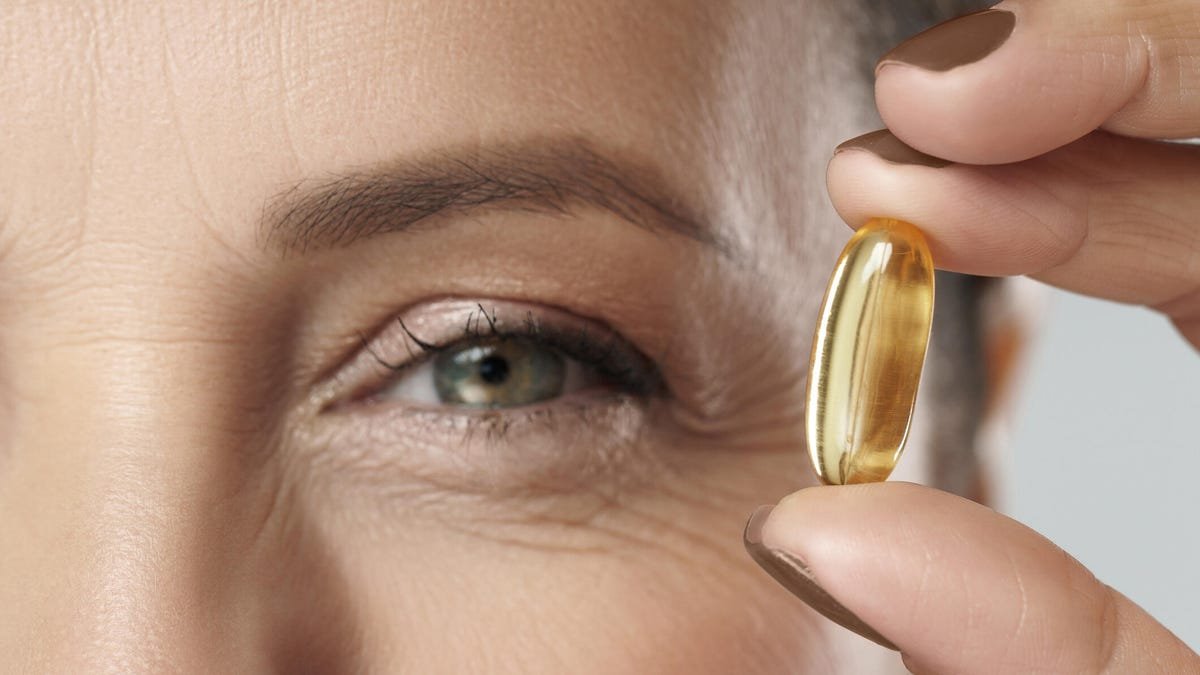
Want to take control of your eye health? You’re probably already eating the best foods for vision, like carrots, broccoli, and salmon. If you want to take better care of your eyes, this should be an absolute priority. But sticking to a balanced diet that includes the essential vitamins and nutrients your eyes need can be a challenge. To strengthen your vision and prevent eye diseases, you may want to choose vitamins and supplements to make up for any missing nutrients. Here are some of our best picks for vitamins and eye supplements for eye health.
The best supplements for your eyes and vision

In addition to a balanced diet, here are the 6 best vitamins and supplements to take for your eyes: Luckily, most of these supplements can be found for under $10.
Vitamin A
Vitamin A supports vision, the immune system, heart, lungs, and overall growth and development. In particular, Vitamin A produces pigments in the retina, which helps you see the entire spectrum of light. It also helps prevent dry eyes. Vitamin A is found in foods such as salmon, broccoli, fortified breakfast cereals, eggs, and carrots.
You’ve probably heard about the magic of carrots. Yes, carrots are really good for your eyes. Carrots (and other brightly colored fruits and vegetables) are rich in beta-carotene, a compound used to make vitamin A in the body. Beta carotene It is also available in supplement form, but it is less common than Vitamin A and is often more expensive.
Vitamin C
Vitamin C is like a sunscreen for your eyes, helping to protect them from UV damage. The more time you spend outside in the sun, the greater your risk of damage. According to the American Academy of Ophthalmology, prolonged exposure to the sun can cause irreversible damage. Vitamin C also lowers the risk of cataracts, a condition that causes the lens of the eye to cloud. Recent studies have found that vitamin C supplementation can already help those with vitamin C deficiency, but more research needs to be done to truly understand the relationship between vitamin C and reduced risk of cataracts.
In addition to getting enough vitamin C, avoid using tanning beds and protect your eyes by wearing sunglasses and a hat if you’re outdoors.
Omega-3
Optometrists regularly recommend omega-3 fatty acids to their patients and recommend supplements if patients aren’t getting enough of these fatty acids in their diet. Omega-3 fatty acids are found primarily in oily fish such as tuna, salmon, mackerel and herring, as well as some nuts and seeds.
The American Optometric Association points out that omega-3s are a nutrient that can slow the progression of age-related macular degeneration. Research has also shown that omega-3s can help prevent dry eye, both of which are beneficial because of their anti-inflammatory properties.
read more: Best Multivitamin
Vitamin E
Another powerful antioxidant, Vitamin E, is essential for all our cells and cell function. Vitamin E helps protect our bodies from cancer-causing free radicals and also plays an important role in vision. Studies have shown that Vitamin E helps protect the retina from free radicals that cause eye disease. Another antioxidant, Vitamin C, has additional properties that aid in regeneration. Vitamin E can only protect cells that are already there.
Vitamin E may also help slow the progression of age-related macular degeneration, with the American Optometric Association recommending 400 IU per day.
zinc
Zinc is such an important nutrient for the body that it’s included in almost every multivitamin. Zinc strengthens the immune system and helps wounds heal faster. Zinc also benefits eye health.
Zinc helps vitamin A produce melanin (a pigment that protects the eye) and may protect the eyes against age-related macular degeneration; the American Optometric Association recommends taking 40 to 80 mg per day to slow its progression.
read more: Best Zinc Supplement
Lutein and Zeaxanthin
Lutein and zeaxanthin are known to be important components for our eyes. Lutein and zeaxanthin are carotenoids found in red and yellow fruits and vegetables, where these compounds give produce its vibrant color. Carotenoids are also powerful antioxidants, which are essential for eye health. They protect the eyes from free radicals that can cause damage. Lutein and zeaxanthin in particular have been shown to prevent retinal damage.
These carotenoids may also slow the progression of age-related macular degeneration. The American Optometric Association recommends taking 10 mg of lutein and 2 mg of zeaxanthin per day.
Lutein and zeaxanthin are available in supplement form, but they can be expensive per bottle. Eating more fruits and vegetables may be more effective, easier, and more affordable.
Eye Risks of Vitamins
Most vitamins and supplements are generally considered safe to take, as they are nutrients that the body needs naturally. Be sure to consult with your doctor before taking any supplements. Some vitamins and supplements can interact with various medications. Talk to your healthcare provider first, especially if you are pregnant or breastfeeding. Your doctor should be able to safely guide you on the best supplements and dosages to take.
Frequently Asked Questions About the Best Vitamins for Eyes
Do eye vitamins really work?
Eye vitamins are especially helpful when you have deficiencies in vitamins essential for vision. These vitamins include Vitamin A, Vitamin C, Vitamin E, Omega-3, Zinc, Lutein, and Zeaxanthin. Research has shown that these vitamins and nutrients may help protect the eyes and slow the progression of age-related eye diseases. These supplements are not a cure, but they do support eye health.
What supplements should I take to improve my eyesight?
You get Vitamin A, Vitamin C, Vitamin E, Omega 3, Zinc, Lutein, and Zeaxanthin. All of these are available in supplement form at various prices, but you can also get these vitamins and nutrients naturally through a balanced diet.
How can I restore 20/20 vision naturally?
Although more research needs to be done to fully determine if 20/20 vision can be restored naturally, there are many natural ways to protect your eyes and improve your eye health. These include limiting sun exposure, wearing UV sunglasses and a hat, getting all the essential vitamins and minerals through your diet and supplements, stopping staring at screens, getting enough sleep, and doing eye exercises.
