

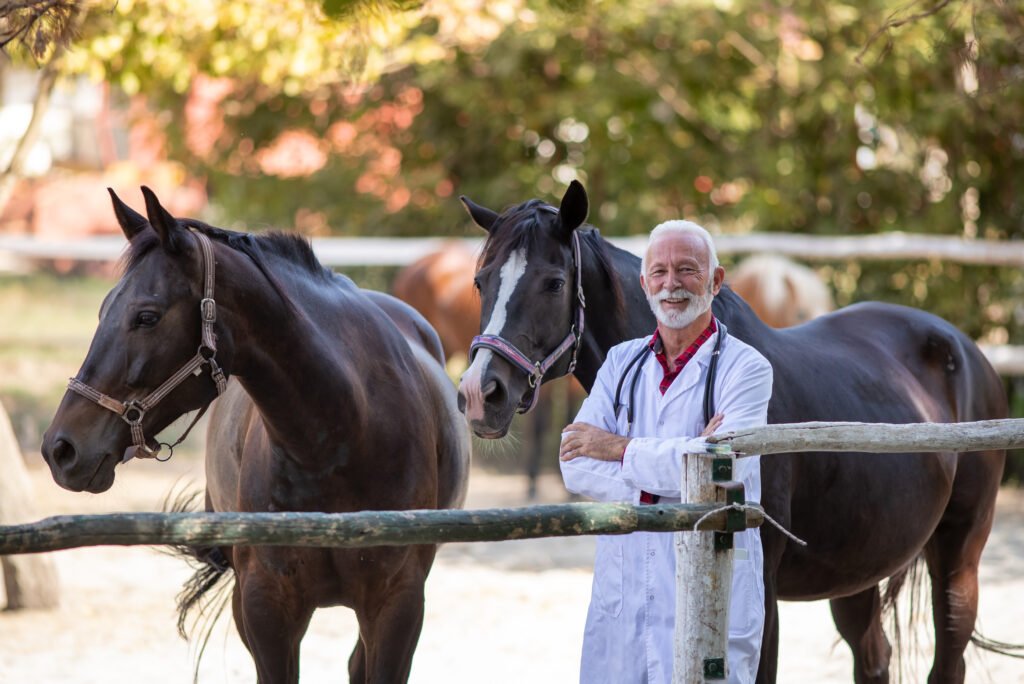
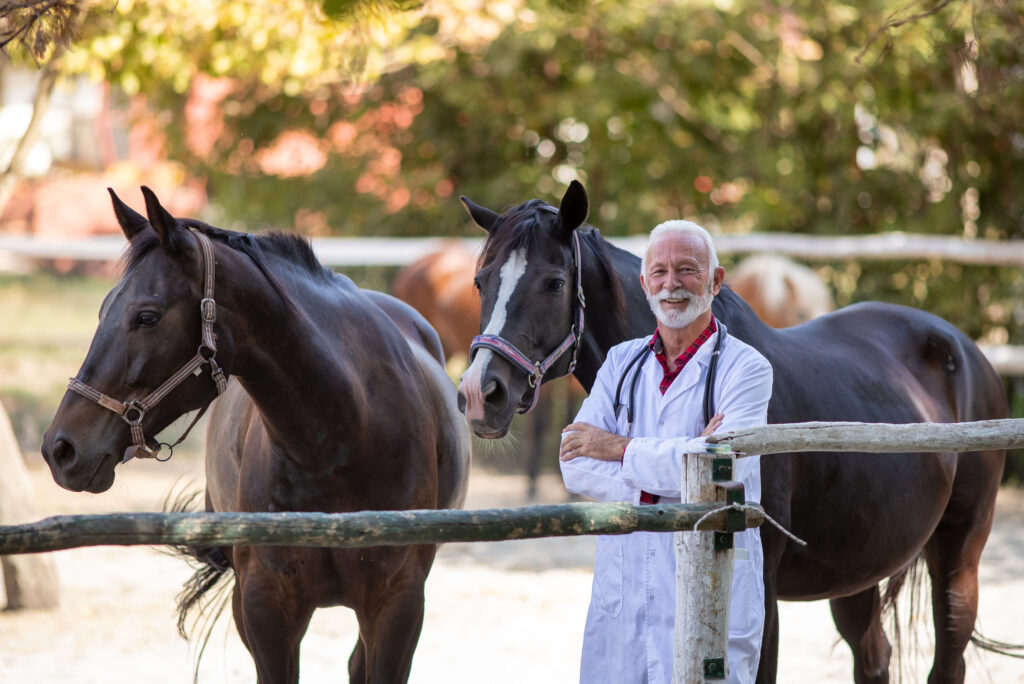
Equine veterinarians frequently injure themselves while working or pursuing active hobbies such as running, skiing, or riding. While many of these injuries heal without incident, some require surgery or other intervention. Knees, shoulders, wrists, and backs are among the most common sites of injury. In addition, over decades, wear and tear from rectal palpation and repetitive lifting, moving, and twisting movements can accumulate and become painful. As we age, old injuries often begin to cause mild chronic pain that worsens with continued use.
Incidence of injuries in equine veterinary practice
In 2016, the AVMA/AAEP Equine Economic Survey asked equine veterinarians about their physical health. Responses to a question about injuries sustained during practice revealed that of 764 respondents, 46% had never sustained an injury, 20% had one injury, 26% had two to four injuries, and 5% had five or more injuries. Nearly half had never missed work, and 37% had missed fewer than seven days. Of the respondents, 159 (21%) required hospitalization and 194 (25%) required surgery.
A follow-up survey published in EquiManagement in 2018 asked respondents if they had ever been hospitalized or visited the emergency room due to an injury sustained while working as an equine veterinarian. Nearly one-fifth (18.4%) had been hospitalized and 48% had visited the emergency room. 32.3% of respondents revealed that they had suffered a fracture in their work as an equine veterinarian. Of the 39 comments reporting fractures, the most common were ribs, followed by toes and fingers, tibial plateaus, and facial bones. Surprisingly, 52.2% of respondents reported suffering an injury to the face or head while working as an equine veterinarian. The most common face or head injury, across 28 comments, was lacerations, followed by black eyes and concussions. As expected, nearly one-third (30.2%) of respondents reported permanent disability or chronic pain due to injuries sustained while working as an equine veterinarian.
The burden of chronic pain in veterinary practice
According to the American Psychological Association, “By definition, chronic pain is pain that lasts for more than six months and affects your daily life.” Chronic pain can be physically and emotionally stressful, and the constant discomfort can lead to feelings of anger, frustration, despair, sadness, and anxiety. Emotional and physical pain are closely related, so persistent pain can lead to elevated stress levels. Although people often think of pain as a purely physical sensation, pain has biological, psychological, and emotional components. Learning how to cope with stress and unpleasant emotions includes all the usual recommendations: eat a healthy diet, get enough sleep, and stay as active as possible. Also, participating in community and family activities that bring you joy and spending time with supportive people each day can significantly help you cope with daily stress and pain. Understanding and managing the thoughts, feelings, and behaviors that accompany pain can help you cope more effectively and reduce the intensity of your suffering.
Strategies to Minimize and Manage Chronic Pain
For early career equine veterinarians, being mindful of ergonomics while working, staying strong and flexible, and avoiding risk during veterinary work will help minimize future chronic pain. For those who already suffer from the wear and tear of a physical job, try to maintain a healthy weight, take appropriate amounts of NSAIDs, and stay as active as possible. Getting older is a privilege, despite the discomfort that comes with it.
Stay Updated! Sign up for EquiManagement’s free weekly newsletter Get the latest equine research, disease alerts and veterinary practice updates delivered straight to your inbox.
