

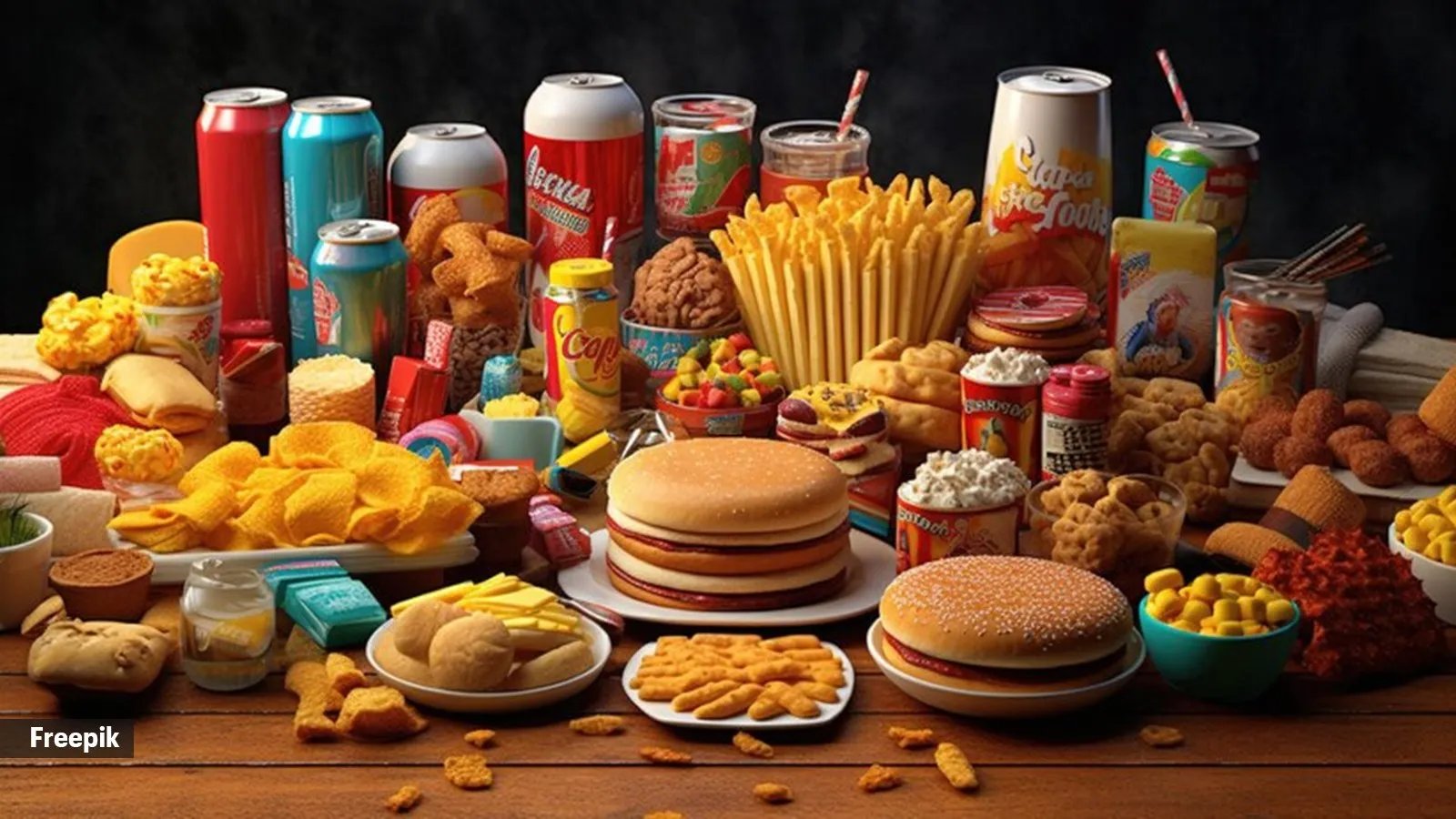
Nutrition should be a basic right that everyone can enjoy, regardless of where they live or how much they earn. But a recent report found that: The dire state of food in IndiaA significant percentage of the population is forced to sacrifice their health for economic convenience.
by World Food Policy Report 2024: Food Systems for Healthy Diets and Nutrition16.6 percent of the country’s population suffers from malnutrition, up from 2011 when 15.4 percent of the population was malnourished.
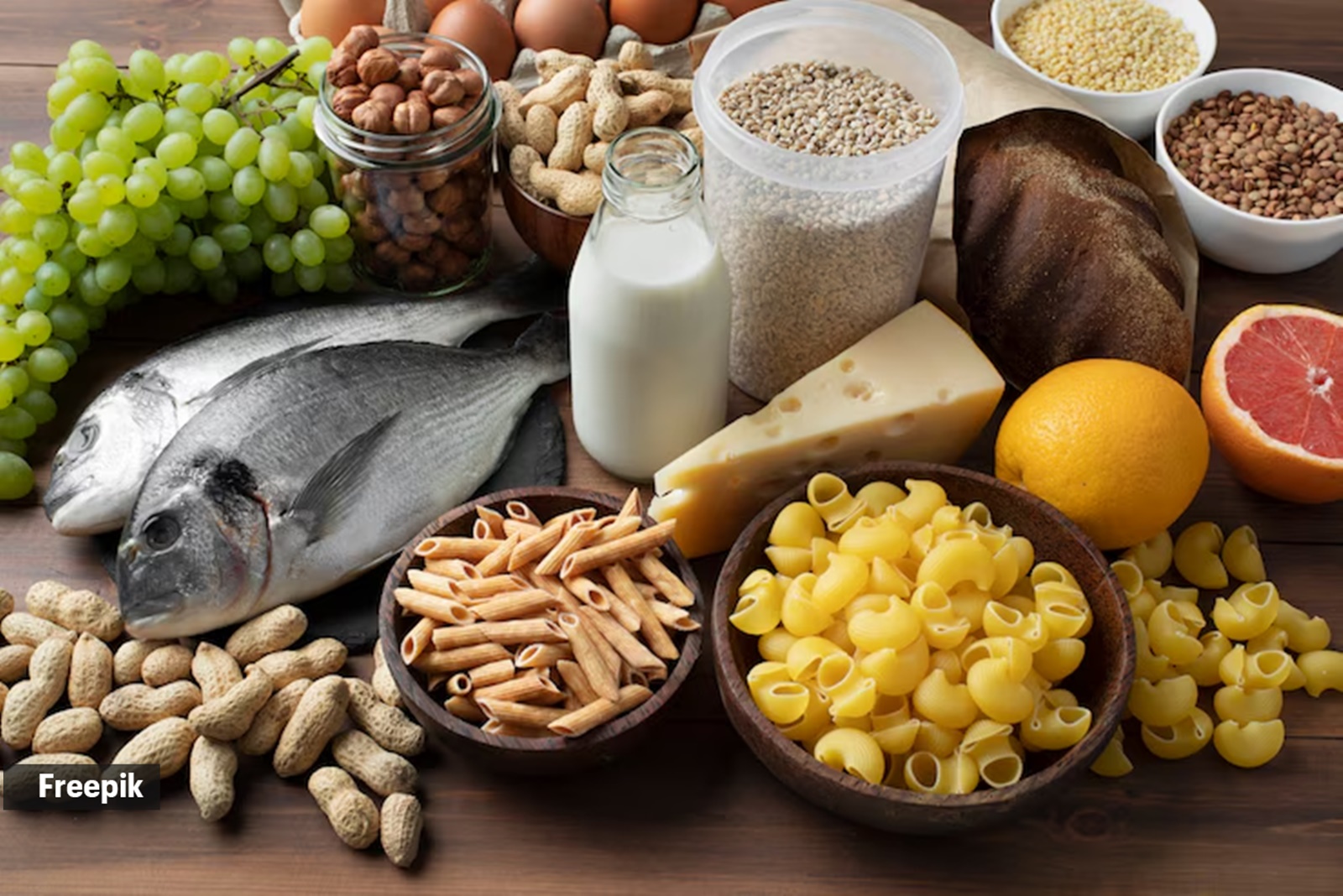
“Dark green leafy vegetables and vitamin A-rich vegetables and fruits cost 8 to 22 times more per calorie than starchy staples and twice as much as sugary and salty snacks,” the researchers wrote. “Furthermore, calories from fats, oils and sugars are even cheaper than calories from staple foods in India and other South Asian countries.”
The report also said that a large-scale, national household survey showed that total annual household expenditure on eating out in India increased by about US$3 billion in real terms, from Rs 619 billion (US$8.8 billion) in 2015 to Rs 820 billion (US$11.6 billion) in 2019. During this period, the share of highly processed, calorie-dense packaged foods increased by Household food costs nearly doubleThis rises from 6.5% to 12%. Wealthy households spend a larger share of their food budget on processed foods.
As the price of nutritious foods soars, many families have no choice but to turn to cheaper, unhealthy alternatives that provide hunger calories at the expense of essential nutrients. This worrying trend not only directly impacts individual health, but also has far-reaching implications that could strain a country’s healthcare system.
“A large section of the population lives on a tight budget and affordability is a key factor in food choices. Processed and unhealthy foods are often cheaper than fresh and nutritious foods,” said Shubha Ramesh L, chief nutritionist at DHEE Hospital.


Unhealthy foods are easily available, especially in urban areas, she says. There are plenty of fast food restaurants and convenience storesAggressive marketing strategies by food companies make unhealthy foods more attractive. These foods are often promoted as convenient, tasty and trendy.
Many people, especially in urban areas, are busy with work and time is a constraint. Unhealthy processed foods are a quick and easy solution. There is also a lack of awareness about the benefits of nutritious foods and the health risks associated with unhealthy eating habits.


Long-term health effects

According to Shubha, a diet dominated by cheap, unhealthy foods can lead to several long-term health problems, including:
Non-communicable diseases (NCDs): Increased risk of diseases such as diabetes, hypertension, and cardiovascular diseaseThe condition is on the rise in India and has been linked to a diet high in sugar, salt and unhealthy fats.
obesity: High-calorie, low-nutrient foods lead to obesity, which increases the risk of various chronic diseases.
malnutrition: It may seem contradictory, but A diet lacking essential nutrients can lead to malnutritionIt is characterized by vitamin and mineral deficiencies.
Mental health issues: Poor eating habits can also affect your mental health, contributing to symptoms such as depression and anxiety.
What steps can be taken at a policy level to ensure affordable access to nutritious food?
To address these issues, Shubha argues that several policy measures can be implemented, including:
* Healthy food subsidies: Government subsidies for fruits, vegetables and whole grains make these foods more affordable.
*Taxing unhealthy foods: High taxes on sugary drinks and junk food can help discourage their consumption.
*Strengthening the food supply chain: Improving efficiency in the food supply chain Reducing the cost of transporting fresh produce can help lower prices.
*Nutrition programs: Expanding programs that provide nutritious meals for free or at subsidized rates, such as school lunch programs, will help children eat a balanced diet.
*Support local agriculture: Encouraging local food production reduces dependency on expensive imported foods and ensures a steady supply of fresh produce.
© IE Online Media Services, Inc.
First uploaded: 06 July 2024 19:29 IST
