

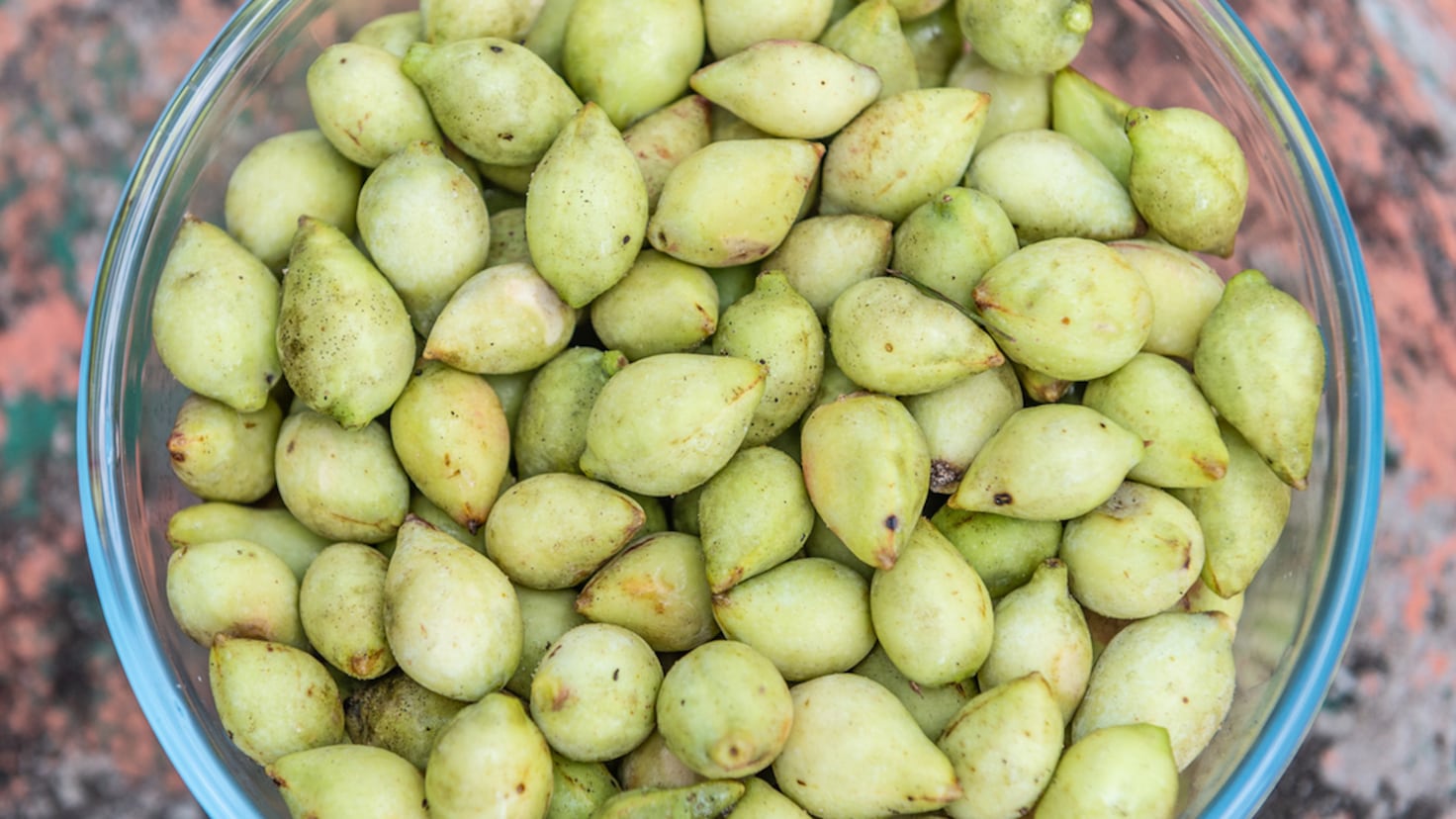
Kakadu plum, also known as billy goat plum, muringe or gbinge, is known as the “Australian superfood star”. This fruit, native to Oceania, is highly nutritious, especially: It has the highest natural vitamin C content of any food in the world..
Kakadu plums, which are grown in Australia from March to June, are about 2 to 3 cm long. It can be eaten raw or used to make jams, sauces, juices, smoothies, etc.It can also be purchased as a powder or extract and used as an ingredient in baked goods recipes like these Kakadu Plum Brownies.
What do Kakadu plums taste like?
The taste of the fruit isIt has a sour and slightly bitter tasteThe Australian Journal of Native Foods and Plants describes it as having “aromas of stewed apples and pears,” and adds, ” [with] A scent of simmered citrus and floral musk.
How much Vitamin C does Kakadu Plum contain?
According to Healthline’s Caroline Hill and Erin Kelly, Kakadu plums contain about 2,900 mg of vitamin C per 100 grams. 440 mg per 15 g plumThis is equivalent to approximately 500% to 600% of the daily recommended vitamin C intake for an adult.
How much Vitamin C do you need?
This depends on factors such as age and gender. According to the National Institutes of Health (NIH): Adult women generally require 75 mg of vitamin C per day, while adult men require 90 mg.Children and teens need less vitamin C, but some, such as pregnant and breastfeeding women, need more than normal. Check the NIH website for a full breakdown of recommended vitamin C intakes for people.
Can you overdose on Vitamin C?
Yes, it is important Too muchIf you eat Kakadu plums, you should be careful not to consume too much, as the NIH has set the daily upper limit for vitamin C for adults at 2,000 mg. According to the NIH, consuming too much vitamin C can cause “diarrhea, nausea, and stomach cramps.”
What are the health benefits of Vitamin C?
The NIH states that vitamin C (also known as ascorbic acid) is Accelerates the body’s healing process when injuredIt also has a positive effect on the immune system and helps absorb iron from plant-based foods, which is used to make hemoglobin, the protein in red blood cells that carries oxygen from the lungs to the rest of the body.
Vitamin C also acts as an antioxidant, helping to protect cells.Antioxidants protect against the harmful effects of unstable molecules called “free radicals,” says Dean Shaban of WebMD. Too many free radicals in the body can damage cells and make you more susceptible to diseases and conditions like cancer, heart disease, high blood pressure, and diabetes, he explains.
Not getting enough vitamin C for a long period of time can lead to scurvyScurvy is a fatal disease if left untreated. “Scurvy causes fatigue, inflamed gums, small red or purple spots on the skin, joint pain, poor wound healing, and spiral hair,” the NIH says.
What other foods are rich in Vitamin C?
While Kakadu plums may not be readily available where you live, there are many common foods that are good sources of vitamin C. For example: Eating citrus fruits such as oranges is the main way to get the vitamin C you need..
According to the U.S. Department of Agriculture: Navel oranges contain about 60 mg of vitamin C per 100 g, with one 140 g navel orange containing just over 80 mg of the nutrient.This is much less vitamin C than Kakadu plums contain, but it’s still enough to meet most or all of your daily needs in one fell swoop.
The UK’s National Health Service (NHS) Bell peppers, strawberries, blackcurrants, broccoli, potatoes As a great source of daily Vitamin C.
