

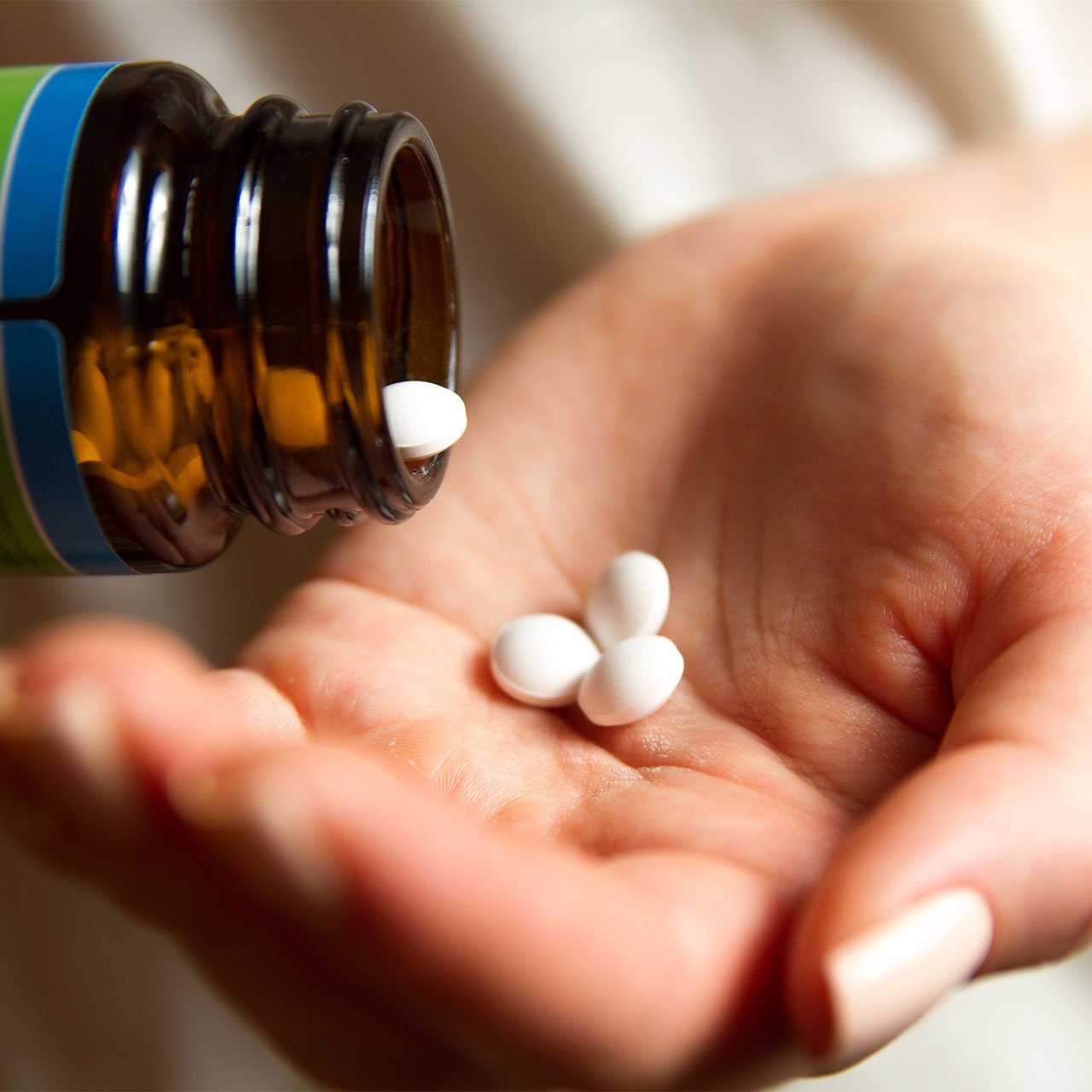
As we age, our skin loses moisture and elasticity, and we experience hair loss and thinning. We consulted doctors and skin care experts to gain insight into the effectiveness of certain supplements to achieve your anti-aging goals.
We’ve identified two commonly used supplements that may not be as effective as advertised, as well as two better alternatives.
Read on for tips, suggestions, and insights from dermatologist and founder of Future Bright Dermatology, Dr. Elaine F. Kung, MD, FAAD, hair expert and esthetician at The Right Hairstyles, Ghanima Abdullah, and registered dietitian Trista Best, RD, LD, MPH, of Balance One Supplements.
The 125 best new beauty products coming in 2023

Shutterstock
Common anti-aging supplements may not be as effective as you think
1. Biotin
According to Kung, biotin may not be as effective at anti-aging hair and skin as many people think. “Signs of biotin deficiency include hair loss, skin rashes, and brittle nails, but biotin in hair, skin, and nail supplements has not been supported by large-scale research as an effective means of treating these conditions,” he says.
“Biotin is actually the only B vitamin that our bodies produce,” she adds. “Furthermore, a typical Western diet provides sufficient amounts of biotin from protein intake,” she continues. “Therefore, biotin supplements for hair, nails, and skin exceed the recommended daily intake and are unnecessary for good health.”
She adds that “biotin supplements may obscure the results of urine and blood tests, such as a urine pregnancy test.”

Shutterstock
2. Elastin
The next supplement Abdullah recommends avoiding if you’re experiencing thinning hair (and want to save money) is elastin.
“It’s an ingredient that makes hair more elastic and less likely to break,” she explains, but it still “doesn’t promote hair growth or help with thinning hair,” she says.

Shutterstock
2 Better Alternatives for Healthy Skin and Nails
1. Vitamin E
One supplement that can help give you radiant, more supple, glowing skin is vitamin E, Best says. “Vitamin E is naturally produced by the sebum secreted through the pores of the skin,” she explains.
“This vitamin is high in oils, which help keep skin healthy, vibrant, and firm. People with dry skin don’t produce enough vitamin E, which can lead to fine lines, dark spots, and irritation,” she points out, adding, “Adding a vitamin E supplement to your morning routine is a great way to reduce and prevent the appearance of wrinkles, including crow’s feet.”
Because vitamin E is fat-soluble, Dr. Best advises that combining it with foods that contain healthy fats can help your body better absorb it: “To optimize absorption and get even more vitamin E, add avocado to your breakfast, which is packed with healthy fats and vitamin E,” she suggests.

Shutterstock
2. Pumpkin seed oil
“Pumpkin seed oil is valuable both as an ingredient in supplements and on its own,” Abdullah concludes. He says it’s “scientifically proven to promote hair growth and help those with thinning hair.” He adds that pumpkin seed oil “pulls more hair follicles into the growth phase,” meaning you’ll see “thicker hair near the roots in just three weeks.”
The supplement’s ingredients also have “moisturizing properties,” Abdullah adds, “and when used correctly, can help prevent hair breakage.”

Shutterstock
Conclusion
It is essential to seek the guidance of a hair specialist or dermatologist to determine the best solution for your specific hair loss concerns and skin care concerns.
Some people prefer using Vitamin E and pumpkin seed oil over biotin and elastin anti-aging supplements, but it’s important to seek expert advice before making any decisions.
Consulting a professional can help you make an informed decision about the best course of action for the health of your skin and hair.
