


In an age of growing interest in spiritual development and mindfulness, Jewish holidays offer a rich tapestry of traditions and lessons that can enrich the spiritual lives of individuals, both within and outside the Jewish community. Michael Stepakoff explains that these celebrations, steeped in ancient wisdom, offer profound insights and practical applications that resonate with modern spiritual seekers from diverse backgrounds.
The Spiritual Aspects of Jewish Holidays
Jewish holidays are more than just days to commemorate historical events; they are imbued with deep spiritual meaning and opportunities for personal growth and reflection. Michael Stepakoff explains that each holiday has its own unique themes, symbols and rituals that work together to form an annual cycle of renewal and transformation.
Rosh Hashanah and Yom Kippur: Reflection and Renewal
Rosh Hashanah, the Jewish New Year, and Yom Kippur, the Day of Atonement, mark the beginning of the Jewish liturgical year and are known as the High Holidays. These holidays emphasize introspection, repentance, and renewal. Rosh Hashanah invites believers to look back on their lives and reflect on their actions and intentions while celebrating creation. Yom Kippur, celebrated ten days later, is a day dedicated to atonement and reconciliation, both to God and to the individual. Michael Stepakoff explains that the concept of teshuva (return or repentance) is central to these holidays, offering broader spiritual lessons about the power of forgiveness and the possibility of starting anew. In the contemporary context, these principles encourage individuals to let go of past grudges, embrace change, and move forward with a clear conscience and renewed purpose.
Passover: Liberation and Storytelling
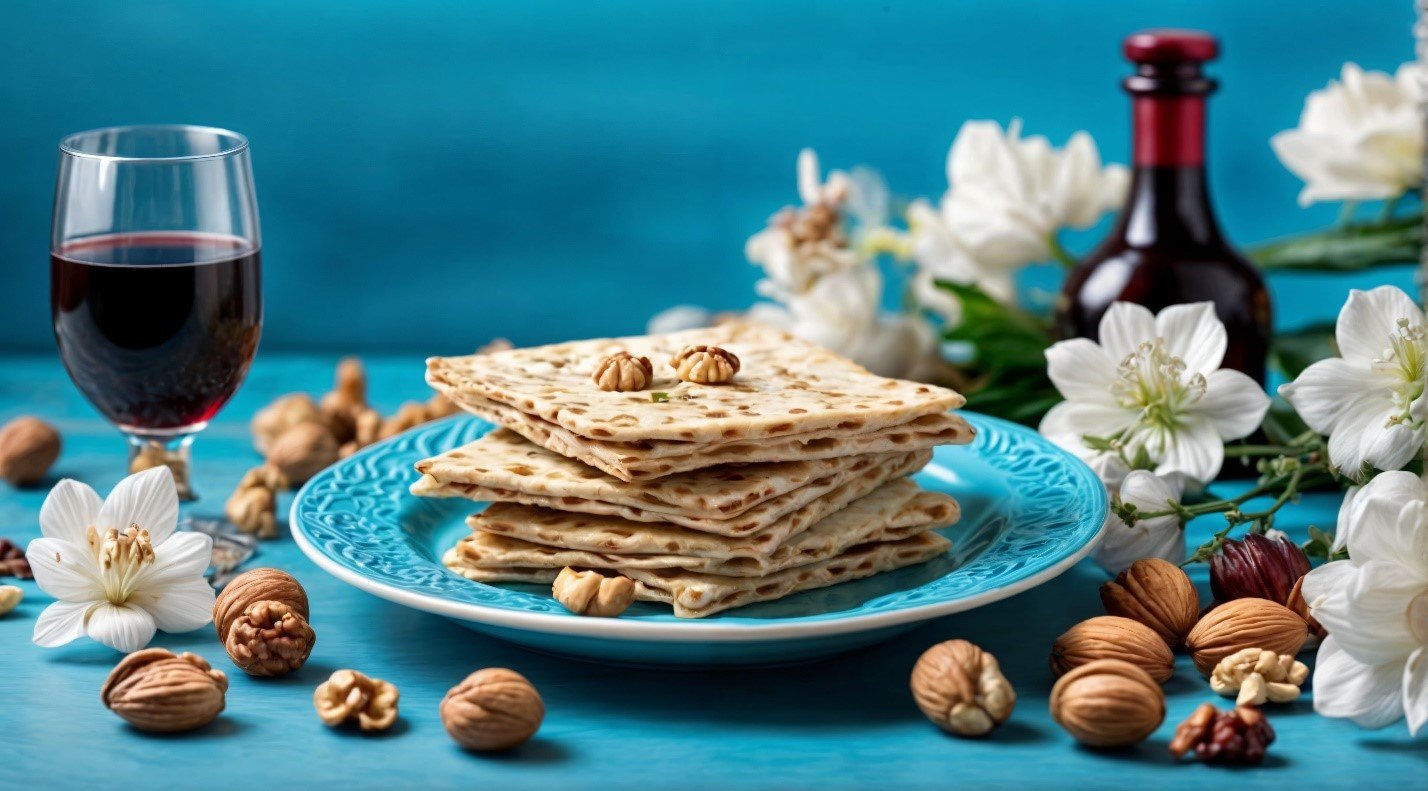
Passover is a festival that commemorates the Exodus of the Israelites from Egypt, focusing on themes of liberation and freedom. The Seder is a ritual meal that includes the reading of the Haggadah (a text that tells the story of the Exodus) and invites participants to reflect on contemporary issues of oppression and freedom. Michael Stepakoff explains that the holiday resonates with spiritual seekers by emphasizing the importance of individual liberation from metaphorical “pharaohs” and constraints that bind the individual, such as harmful habits, limiting beliefs, and social injustices. Storytelling at Passover serves as a powerful tool of spiritual connection that connects participants to their traditions and to each other, and invites them to reflect on the broader human struggle for freedom and dignity.
Sukkot: Impermanence and Gratitude
During Sukkot, the Feast of Tabernacles, the Israelites live in booths (sukkot) for seven days to commemorate their 40-year journey in the wilderness. Michael Stepakoff explains that the practice is a meditation on impermanence and fragility, reminding participants of the fragility of life and the importance of gratitude for the present moment. In a contemporary spiritual context, sukkot may inspire individuals to embrace minimalism, connect more deeply with nature, and cultivate gratitude, all of which are key elements of many contemporary spiritual practices.
Shavuot: Revelation and Wisdom
Michael Stepakoff explains that Shavuot is a festival celebrating the receiving of the Torah on Mount Sinai and emphasizes learning and enlightenment. Traditionally, the festival is marked by all-night study vigils, exploration of religious texts, and philosophical debates. The holiday emphasizes the value of continuing learning as wisdom and spiritual practice, and encourages the lifelong pursuit of knowledge and personal growth.
Incorporating Jewish holidays into contemporary spiritual practices
For non-Jews interested in spiritual growth, Jewish holidays offer a meaningful framework for reflection and growth. Michael Stepakoff explains that incorporating elements of these traditions, such as setting aside time for reflection on the High Holidays or embracing the theme of freedom during Passover, can enrich your spiritual journey.
Mindfulness and Meditation
Many of the Jewish holiday rituals lend themselves to mindfulness and meditation. For example, building and living in a sukkah can be a mindfulness practice that allows one to appreciate the beauty of the natural world and the impermanence of our material condition. Similarly, the reflective practices encouraged during Rosh Hashanah and Yom Kippur can complement contemplative practices that focus on self-examination and renewal.
Community and Connections
Jewish holidays emphasize community and collective celebration, an aspect often emphasized in contemporary spiritual circles as essential to individual and community well-being. Participating in community rituals, whether in a synagogue or an interfaith gathering, fosters a sense of belonging and common humanity.
Jewish holidays are a rich source of spiritual wisdom that transcends religious boundaries. Jewish holidays offer universal themes that are increasingly important in today’s global spiritual context, such as renewal, freedom, gratitude, and wisdom. Michael Stepakoff emphasizes that by exploring these ancient traditions, people of all backgrounds can find new ways to enrich their spiritual lives, connect with others, and navigate the challenges of the modern world with greater insight and compassion. Through such engagement, the ancient traditions of Jewish holidays continue to offer deep relevance and guidance to contemporary spiritual seekers.
