

Image
Hyderabad: Superfoods are like the superheroes of the food world. According to Dr Jyoti Chhabria, nutritionist and founder of Nutriline, these nutrient-rich gems are known for their extraordinary health benefits and are packed with vitamins, minerals and antioxidants that give a major boost to your health.
“While premium superfoods are a great addition to a healthy diet, they can be expensive or difficult to access in India. It is important to prioritise local and regional products that can serve as alternatives. Another important factor to consider is that the carbon footprint of the product can be quite high,” explains Sumitra, nutritionist at Qua Nutrition.
To overcome these challenges, here are some expert-approved, lesser-known Indian superfoods that are comparable in nutritional value, cost a fraction of the cost, and serve as great local alternatives.
Amla – Acai Berry
Amla (Indian gooseberry) and acai berry are both powerful superfoods with numerous health benefits. According to Dr. Jyoti, amla is rich in vitamin C, antioxidants and essential nutrients, even surpassing acai berry in vitamin C content. Amla’s anti-inflammatory, antibacterial and antiviral properties make it a cost-effective and affordable alternative for chronic disease management, liver health, weight management and cognitive function.
Moringa – Matcha
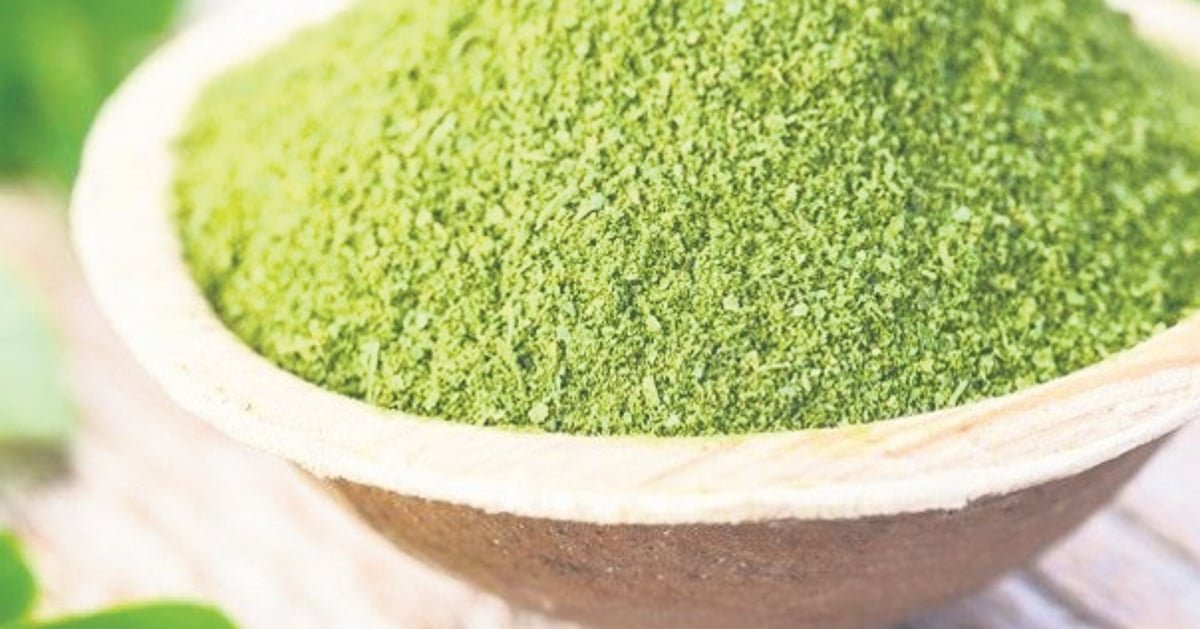
Moringa, an Indian alternative to matcha, is becoming increasingly popular due to its nutritional value and sustainability. Dr Jyoti explains that while matcha is known for its high antioxidant content and energy-boosting properties, moringa has similar benefits, plus it’s packed with vitamins and minerals, making it a powerful superfood that supports overall health and wellbeing.
Spinach – Kale
Kale is a superfood known for its health benefits and culinary versatility. But there’s a flavoursome and nutritious Indian alternative with a similar nutritional profile, suggests Dr Jyoti: spinach, which is packed with vitamins A, C and K, minerals like iron, calcium and magnesium, and powerful antioxidants. Spinach acts as a great alternative to kale, offering similar health benefits and culinary versatility.
Wheat Dahlia – Quinoa
Starting your day with quinoa is a popular choice because it’s high in protein and fiber, but wheat dalia is a great alternative. This whole grain is rich in protein, fiber, and essential vitamins and minerals, including magnesium, iron, and B vitamins. Like quinoa, wheat dalia is a complete protein, containing all nine essential amino acids, making it perfect for vegetarians and vegans, says Dr Jyoti.
Kombucha – Buttermilk
Buttermilk is often overlooked as an alternative to kombucha, a popular fermented beverage made from tea. While kombucha has gained a reputation for its probiotic properties and health benefits, “buttermilk also has a number of nutritional benefits that make it a viable alternative,” says Dr. Jyoti. Buttermilk is rich in beneficial bacteria and yeasts similar to those found in kombucha, which can help improve gut health and digestion. Plus, buttermilk is a more affordable and accessible option compared to kombucha, which can be quite expensive to buy or make at home.
