

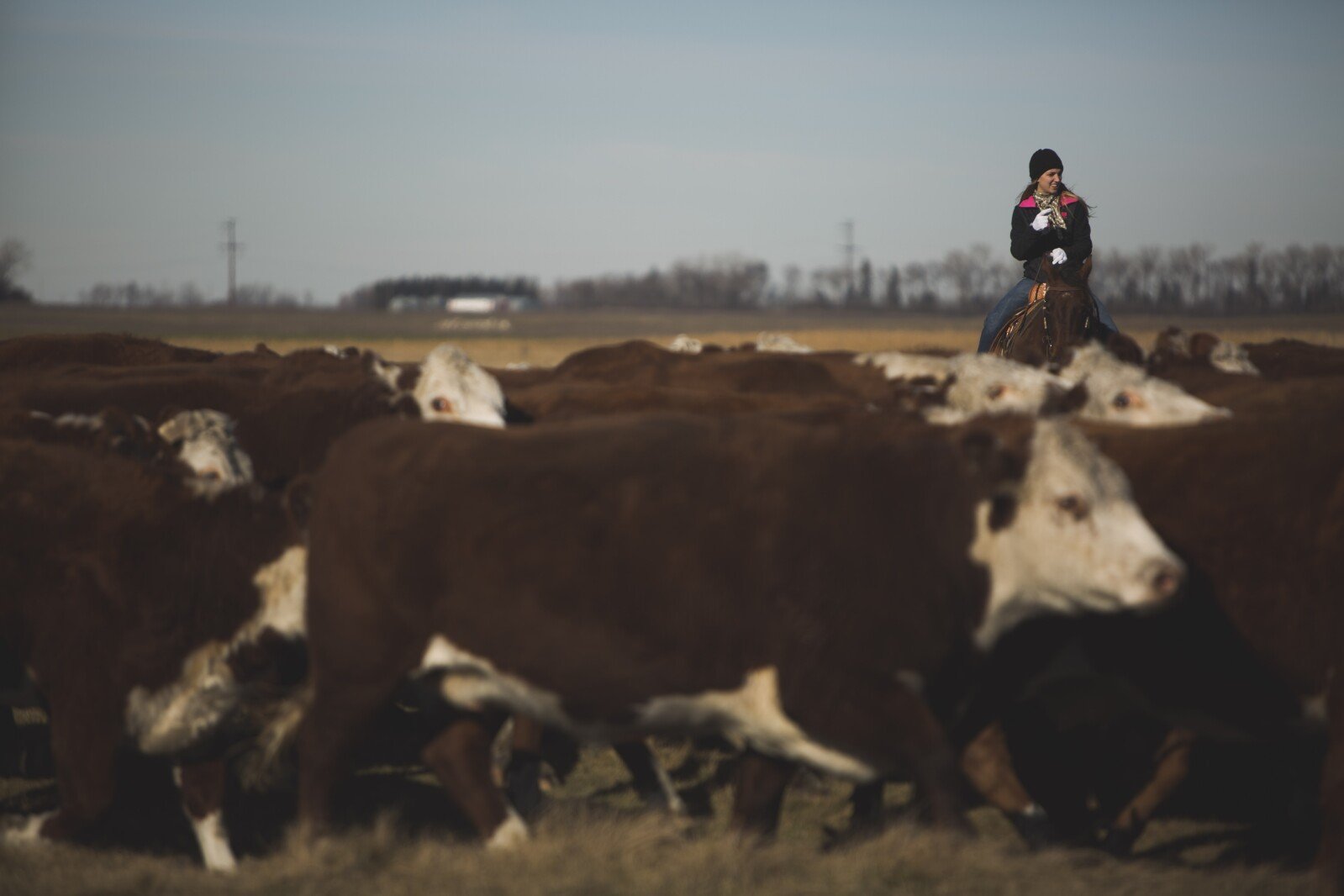
Farmers, ranchers and service providers face unique challenges amid climate change, including mental strains such as stress, anxiety, grief and trauma.
American Farmland Trust hosted an online conversation during Mental Health Awareness Month, highlighting some of the climate stress challenges facing members of the agricultural community.
In a 2021 survey of 16-25 year olds across 10 countries, 59% of respondents said they were “very or extremely” worried about climate change, and 84% said they were at least “moderately” worried. More than 50% of respondents said they had strong negative feelings about climate change, and three-quarters of respondents said they were afraid for the future.
Addie Candive of the American Farm Land Trust, who moderated the conversation, said climate-related stresses could wreak havoc on farmers, ranchers and food producers who are “intensely connected to natural ecosystems and weather patterns.”
“They have experienced firsthand the impacts of climate change on these systems and may have deep connections to the lands and places that are affected by climate change and climate-related disasters,” Candive said. “There’s a lot of talk about climate resilience and climate-resilient practices, especially in the agriculture sector, so it’s important to broaden our understanding to encompass the social and emotional components of both community and individual resilience.”
Lianne Zeitz, who works for the Climate Mental Health Network, a nonprofit that tackles the mental health impacts of the climate crisis, said climate change could “amplify” existing mental health disorders.
“If you’re experiencing any kind of mental health issue for a variety of reasons, then the combination of climate change just exacerbates that issue and increases the intensity of the issues that you’re experiencing,” Seitz said. “We already live in a world where there are limited mental health resources and limited collective support and education, and the exacerbation of that is a huge issue, and I think farmers are experiencing that in their families.”
The “intensity” of the climate crisis makes things even worse, Zeitz said.
“For example, last year was the hottest year on record for a long time, and there’s a direct correlation between extreme heat and mental illness,” he said. “Farmworkers and rural people are the ones who often spend the most time in these extreme weather conditions and are the most exposed to changing landscapes. And the rapidly changing nature of things also amplifies the challenges.”
Climate Café groups, which are popping up all over the country, allow people to discuss their feelings about climate change as a group.
“It’s an open-source model for people in the community to come together and process their feelings about the climate together,” Zeitz said of the Climate Cafés. “It’s on the lighter end of the spectrum of direct mental health support, and I think it’s great for processing in the community.”
Zeitz said she would like to see more group treatment models in the U.S. that can help people work through their experiences in a way that makes them feel supported.
Caitlin Arnold Stefano is the program manager for Farm Aid Hotline (1-800-FARM-AID), a 40-year-old organization.
“We are the only national agricultural hotline in the country,” Arnold Stefano said. “We’re not specifically a mental health hotline, we’re not just a crisis hotline, but we do receive calls related to crisis situations and farm stress, and we get a fair number of those calls, and we also get calls from farmers all over the country with a variety of questions and requests for resources.”
Arnold Stefano began farming immediately after graduating from college and farmed for over 10 years until he was no longer able to afford land or make farming financially.
“So now I run the Farmer Hotline at Farm Aid, and the reason I’m really motivated by this work and the reason I continue to do this work is because I know what it feels like to be a young farmer and not be able to achieve your dreams,” she said. “I know how painful that experience can be. And if I can encourage just one farmer to continue farming and continue to work the land, then to me this work is all worth it.”
If you or someone you know is experiencing a serious mental health crisis, please call 988 or visit 988lifeline.org.

