

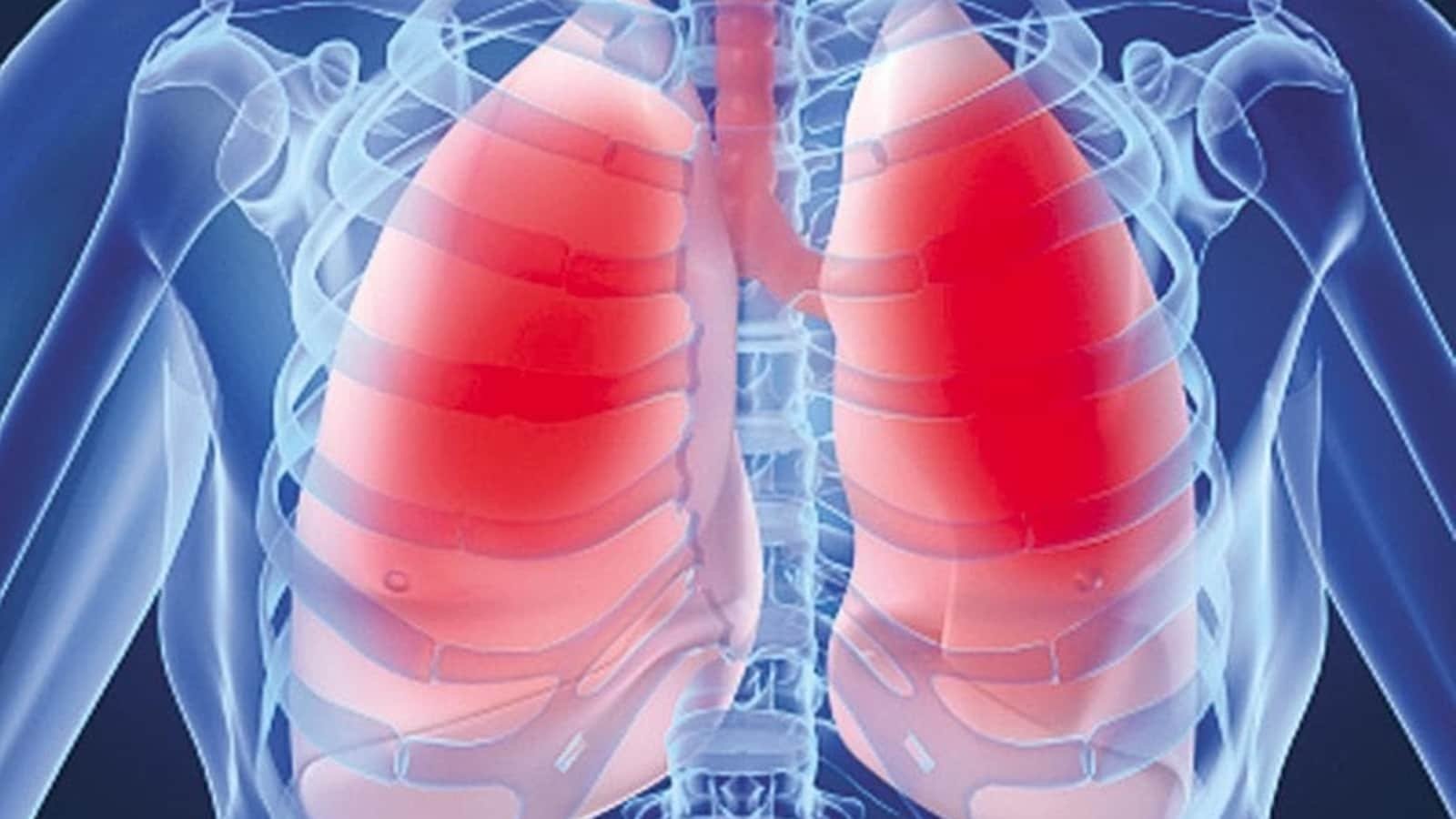
Quitting smoking is a transformative journey that not only improves your overall health, but also strengthens your lungs and paves the way for a healthier future. The healing process begins as soon as you quit smoking, and you will see noticeable improvements in a relatively short period of time.
Speaking to HT Lifestyle, Dr Kuldeep Kumar Grover, head of intensive care and respiratory medicine at CK Birla Hospital, Gurgaon, said, “Within 12 hours of smoking your last cigarette, carbon monoxide levels in your blood normalise, oxygen blood flow is boosted and the recovery process begins. Amazingly, within just a year, the risk of suffering a heart attack is significantly reduced.”
He revealed, “Over time, the benefits continue to increase. Within two to five years, your risk of stroke drops to the same level as a non-smoker. Perhaps the most compelling milestone is the 10th year, when your risk of dying from lung cancer is halved. These incredible health improvements are a powerful motivator to break the clutches of smoking addiction. Quitting smoking can be difficult, but there are practical steps you can take to support your journey to lung health and overall wellness.”
Dr. Kuldeep Kumar Grover suggested:
1. Gradually reduce your tobacco consumption: Gradually reducing your daily tobacco consumption can help reduce withdrawal symptoms and ease the transition to a smoke-free life.
2. Avoid smoking triggers Avoid situations and places that encourage smoking and try new activities to occupy your time and divert your attention from the urge to smoke.
3. Consider nicotine replacement therapy: Talk to your pulmonologist about the best ways to manage nicotine withdrawal symptoms and increase your chances of successfully quitting, such as using patches or gum.
4. Prioritize stress management: To manage stress without smoking, engage in stress-relieving activities such as exercise, meditation, or a hobby.
5. Incorporate chest rehabilitation exercises: During your smoking cessation journey, incorporate exercises such as yoga, pulmonary rehabilitation, and deep breathing techniques to improve your lung function and overall respiratory health.
Sharing his expertise, Saurabh Bothra, CEO of Habuild and certified yoga instructor, said, “The body’s purpose is to keep you healthy and it works tirelessly to keep everything running smoothly, but it only does so if you do. The moment a smoker puts out his last cigarette, the body starts working to heal itself and flush out toxins.”
Here are 5 helpful tips for those who want to quit smoking and strengthen their lungs.
- Stay hydrated: Drink plenty of water and warm fluids such as herbal teas to flush out toxins, moisten your throat and lungs, and remove built-up mucus.
- Regular exercise: Exercise strengthens your respiratory muscles, increases lung capacity and helps detoxify your body. Choose exercise that gets your heart pumping, like brisk walking, cycling or swimming, and improves blood circulation and oxygen flow throughout your body.
- Consume Anti-inflammatory Food: Incorporating anti-inflammatory foods such as turmeric, leafy greens, cherries, blueberries, olives, walnuts, seeds, beans and lentils into your diet can help reduce inflammation and support lung health.
- Practice Steam inhalationAdding a few drops of essential oils, such as eucalyptus or peppermint, to hot water and inhaling the steam can help clear sinus congestion, soothe irritated airways, and make breathing easier.
- Practice Pranayama Practices such as deep breathing, alternate nostril breathing (Nadi Shodhana) and Kapalabhati can help increase lung capacity, improve oxygenation and promote relaxation, while also helping to reduce stress and control cravings.
As you put these tips into practice, remember to be patient with yourself, celebrate your progress, and believe in the power of consistency.
Get daily updates on fashion, Taylor Swift, health, festivals, travel, love, recipes and other latest lifestyle news on Hindustan Times website and app.
