

 (002) (1).jpg)
Lena Koi, FNP
The Pioneer regularly publishes information to educate the Tillamook County community about mental health awareness (not just during Mental Health Awareness Month). The goal is to bring hope and help to people experiencing mental health issues or who know someone who needs help managing their mental health. In this article, we will look at children’s mental health issues.
Why children’s mental health is important
Like physical health, mental health is important to a child’s well-being. Good mental and physical health enhances a child’s overall quality of life. If left untreated, mental health problems cause stress for children. Children may engage in aggressive behavior and struggle to form healthy peer relationships. They may also withdraw from family and social interactions. A child’s ability to learn declines as they have difficulty concentrating and retaining information. These negative effects have ripple effects well into adulthood.
Children’s mental health disorders are characterised by significant changes in how they usually learn, behave and handle emotions. They can cause increased stress and make it hard for children to get through their day. A child’s symptoms may interfere with school, play and home life.
How many children have mental illnesses?
The number of children suffering from mental illness is on the rise. National estimates suggest that one in five children ages 3 to 17 suffers from a mental illness. This rate began to rise before the pandemic and has continued to worsen since. According to a report from the Health Resources and Services Administration (HRSA), the number of children ages 3 to 17 diagnosed with depression increased 27% between 2016 and 2000, and the number of children living below the poverty line is on the rise.
Nationally, the most common mental health disorders among children are attention deficit hyperactivity disorder (ADHD), anxiety disorders, depression, and behavioral disorders. Clinical social worker Collin Smith sees students in the Nea Ka Nee School District at the Nea Ka Nee Student Health and Wellness Center at Nea Ka Nee High School. He lists anxiety disorders, depression, trauma-related issues, and substance abuse as the most significant issues children face. “Addressing these issues requires a combination of individual therapy, family support, and community resources to provide comprehensive care and support for affected children,” Smith says.
Smith said several factors contribute to the mental health issues children face, including:
Socio-economic challenges: Poverty, food insecurity and lack of stable housing can create significant stress and anxiety for children.
Family Dynamics: Problems such as parental substance abuse, domestic violence, and divorce can lead to mental health issues in children.
Community environment: Limited access to recreational activities, social isolation, and a range of social challenges faced by minors living in rural communities can have a negative impact on their mental health.
School-related stress: Academic pressure, bullying and lack of support at school can lead to anxiety and depression.
Access to Mental Health Services: Inadequate access to mental health care and resources exacerbates these issues and makes it harder for children to get the help they need.
Recognizing the signs
It can be difficult for parents to know whether their child’s moods or behaviors are typical for their age group or whether they are issues that need to be addressed with a health care provider. Signs that a child’s mental health is good include affection, curiosity, and self-control.
Signs to look out for in young children:
- Are struggling in school or have recently experienced a drop in their grades?
- When I’m not watching videos or playing video games, I’m always on the move
- Frequent tantrums and irritability
- Not being interested in playing with other children or having trouble making friends
- Often appears anxious or fearful
- Frequent stomach aches or headaches with no apparent medical cause
- Lack of sleep, daytime sleepiness, nightmares, or sleeping too much
Signs in older children and adolescents:
- Loss of interest in things you previously enjoyed
- Less contact with friends and family
- Self-harming behaviors, such as cutting or burning the skin
- Lack of energy, excessive sleep, daytime sleepiness
- Increased energy and activity, and less need for sleep than usual
- Smoking, drinking, and drug use
- Excessive exercise, strict dieting, and worries about weight gain
- Suicidal thoughts
Talk to a health care professional if you notice any behavior or feelings that are distressing to your child or family over a period of several weeks, including behaviors that keep your child from functioning normally at home or school.
Getting help
Mental illnesses often continue into adulthood. The CDC estimates that only 20% of children who need mental health care receive care. Early diagnosis and treatment of mental health issues during childhood improves quality of life and provides the best long-term outcomes.
According to Smith, parents can help their children at home by “creating a supportive environment of open communication and active listening to their concerns,” and “encouraging healthy habits like regular exercise, healthy eating, and adequate sleep. Limit screen time with activities that promote mental wellness.”
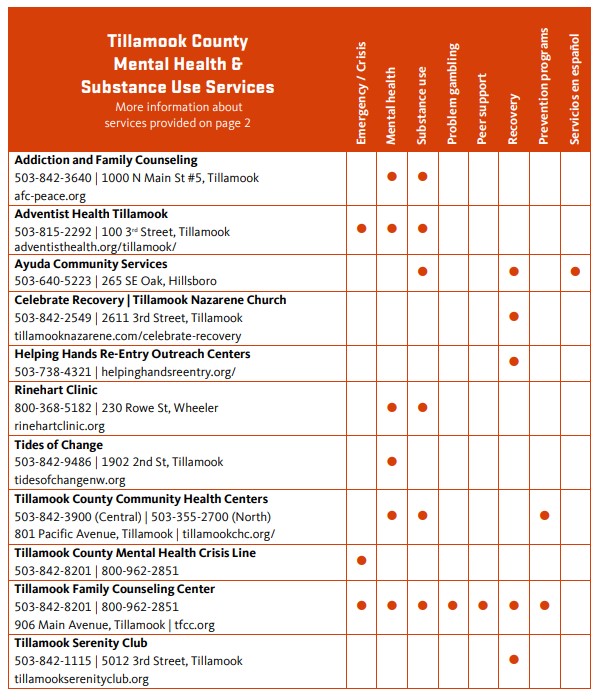
Every child deserves the chance to live a happy and healthy life. ““Don’t hesitate to reach out to a mental health professional for support and guidance if necessary,” Smith says. In Tillamook County, help is available from your child’s health care provider, the Tillamook Family Counseling Center, the YMCA, and the Nea Khar Nee Student Health and Wellness Center. If you, your child, or someone you know needs emergency help, call or text the 988 Suicide and Crisis Lifeline.
References
NIH, Child and Adolescent Mental Health Statistics https://www.ncbi.nlm.nih.gov/books/NBK587174/#:~:text=Nearly%2020%25%20of%20children%20and,in%20the%20decade%20before%202019.
NIH, Child and Adolescent Mental Health
https://www.nimh.nih.gov/health/topics/child-and-adolescent-mental-health
NIH, Children and Mental Health: Is this just a phase?
https://www.nimh.nih.gov/sites/default/files/documents/health/publications/children-and-mental-health/children-and-mental-health.pdf
HHS, Youth Mental Health
mental health
NIH Mental Health, Children
https://www.nimh.nih.gov/research/research-conducted-at-nimh/join-a-study/children
CDC, Children’s Mental Health Facts and Statistics
Click here for details
