

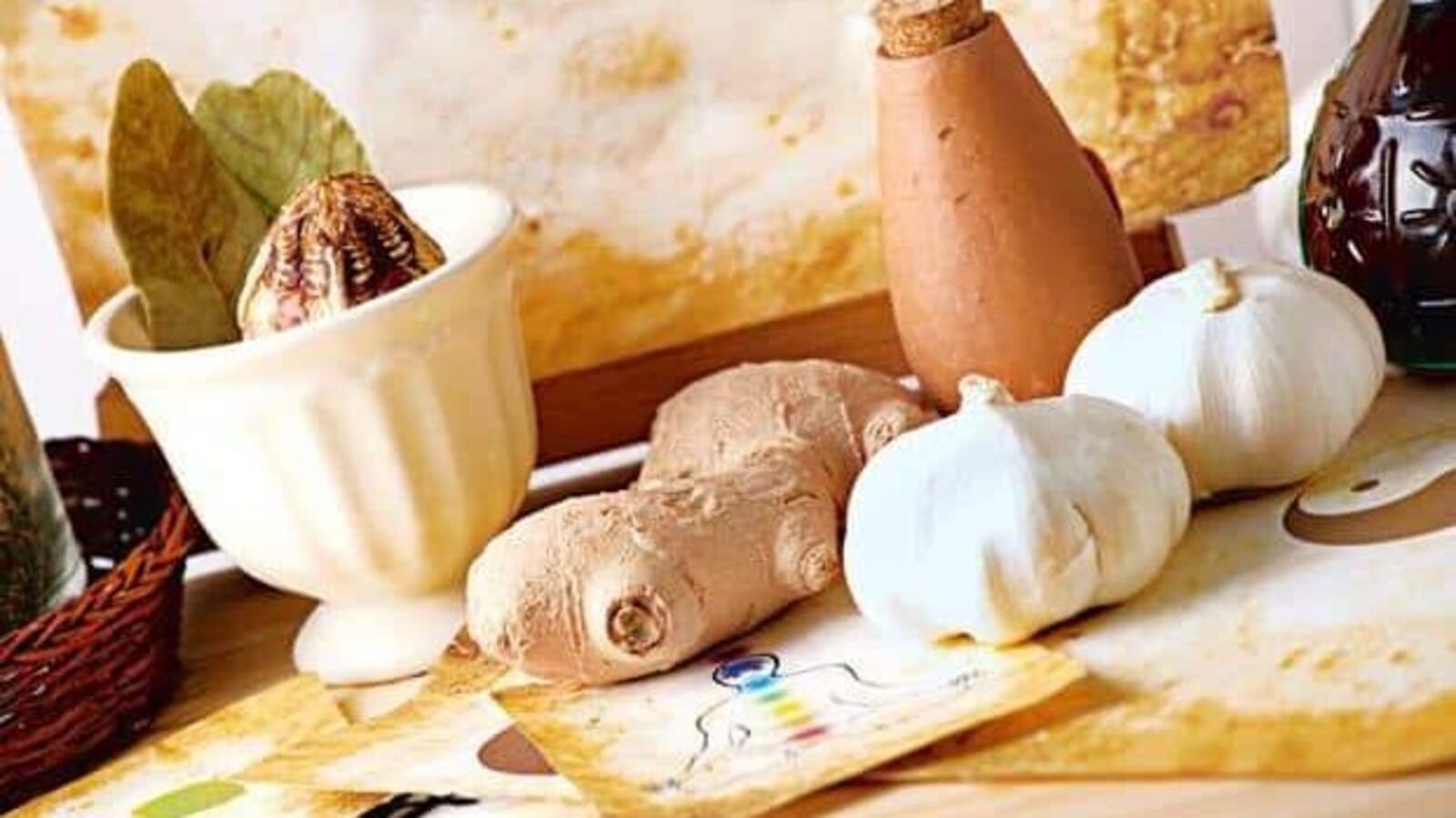
New DelhiThe Food Safety and Standards Authority of India (FSSAI), in consultation with the Union Ministry of Ayurveda, is drafting licensing and logistics norms for companies that can manufacture and sell food products under the Ayurvedic Ahara category and is expected to issue guidelines soon. the official said.
Ayurvedic Aharas (dietary) foods do not contain any drugs or medicines but have ingredients that are believed to promote health. The Ayurvedic Aharas will be notified in 2022 and will contain five categories and around 800 Ayurvedic recipes, and standards governing their production will be announced after the elections, one of the officials said.
The rules define “Ayurvedic Ahara” as food which is prepared according to recipes, ingredients or processes as prescribed in authoritative Ayurvedic books and is mentioned in “Schedule A” of the FSSAI rules.
Ayurveda is now a global issue
“Ayurveda is now a global issue and has great value. We have to look at it from a commercial perspective. For that, we need avenues of branding. We have avenues for pharmaceuticals and cosmetics. There are a lot of Ayurvedic food supplement products that come under the nutraceutical category, across the world. Ayurveda has so many recipes and all these recipes are spread across various classical literatures. Many of these are still practiced. For example, Ayurveda has a recipe for ‘shashkuri’, which is an Ayurvedic deep-fried food and is now known as jalebi. Similarly, ‘krishtada’, which is now used as khichudi, has various recipes and is used for various ailments. This idea originated from here,” Ayurveda Ministry Secretary Rajesh Kotecha told Mint.
Related article: Ayurveda boosts recognition of alternative medicine
When we talk about Ayurveda, we only refer to medicines, but the scope of Ayurveda goes beyond that. There are many other principles and treatments apart from medicines. One interesting area of Ayurveda is “Patya”. Patya refers to a proper lifestyle, diet, traditional home cooking whereas Apatya means staying up late at night, not exercising, eating anything and whenever, not paying attention to the food while eating etc.
“These are very detailed and so we need avenues to disseminate them, especially in the area of recipes. If we decide to take a category commercially forward, we need regulation, branding and avenues for the industry to explore this possibility,” Kotecha added.
Related article: Ayurvedic treatments attract wealthy tourists
“After much consideration on the matter, we held discussions with FSSAI and proposed it to the Ministry of Health. In a joint meeting, both the ministries decided to notify a separate category of Ayurvedic food separately. This is the start. The notification has already been issued and the final rules are currently being drafted and will be issued soon. What is distinctive is that we have created several categories. One category is for recipes mentioned in classical books, which have been documented and handed over to FSSAI. They have now been notified as Schedule A. Food business organisations can opt for a licence from FSSAI to prepare and sell Schedule A recipes. There is another category which looks at recipes, where they can modify the recipes with the ingredients mentioned and present them in a palatable form,” the secretary said.
“This move will bring huge business opportunities and promotion to the local and international communities. These recipes have health benefits. Through this, the government is also trying to revive recipes using vegetables other than wheat, rice, onion and potato that were used for a balanced diet 40-50 years ago,” Kotecha said.
“Once a new law or notification is released, rules are made to implement it. If one decides to do Ayurvedic Aahara, then there will be a boost in the possibilities of Ayurveda. After notification, rules to implement it need to be drafted, including logistical details like categories, who is eligible to apply, business size, application format, application fee, label format etc. The logistical details are being finalised and a committee is visualising it, Ayush Ministry officials are on board and it is in the final stages. As soon as the committee completes its work, FSSAI will announce it or formally launch it. We are in the process of facilitating it with our expertise, technical support etc. The rules and regulations will involve how to define the categories that have already been notified, what will be the application format based on categories, who will screen it, what will be the criteria, how will the licence be provided and the validity period of the licence. It will be launched soon after the election results,” Kotecha said.
Unlike Ayurvedic medicines, which are used to prevent or treat illnesses, Ayurvedic Ahas are not medicines or supplements, but are foods that can be consumed by patients or healthy people. Ayurvedic Ahas are intended to provide nutrition and may also have therapeutic effects.
You are on Mint! India’s No.1 News Site (Source: Press Gazette). For more of our business coverage and market insights, click here!
