

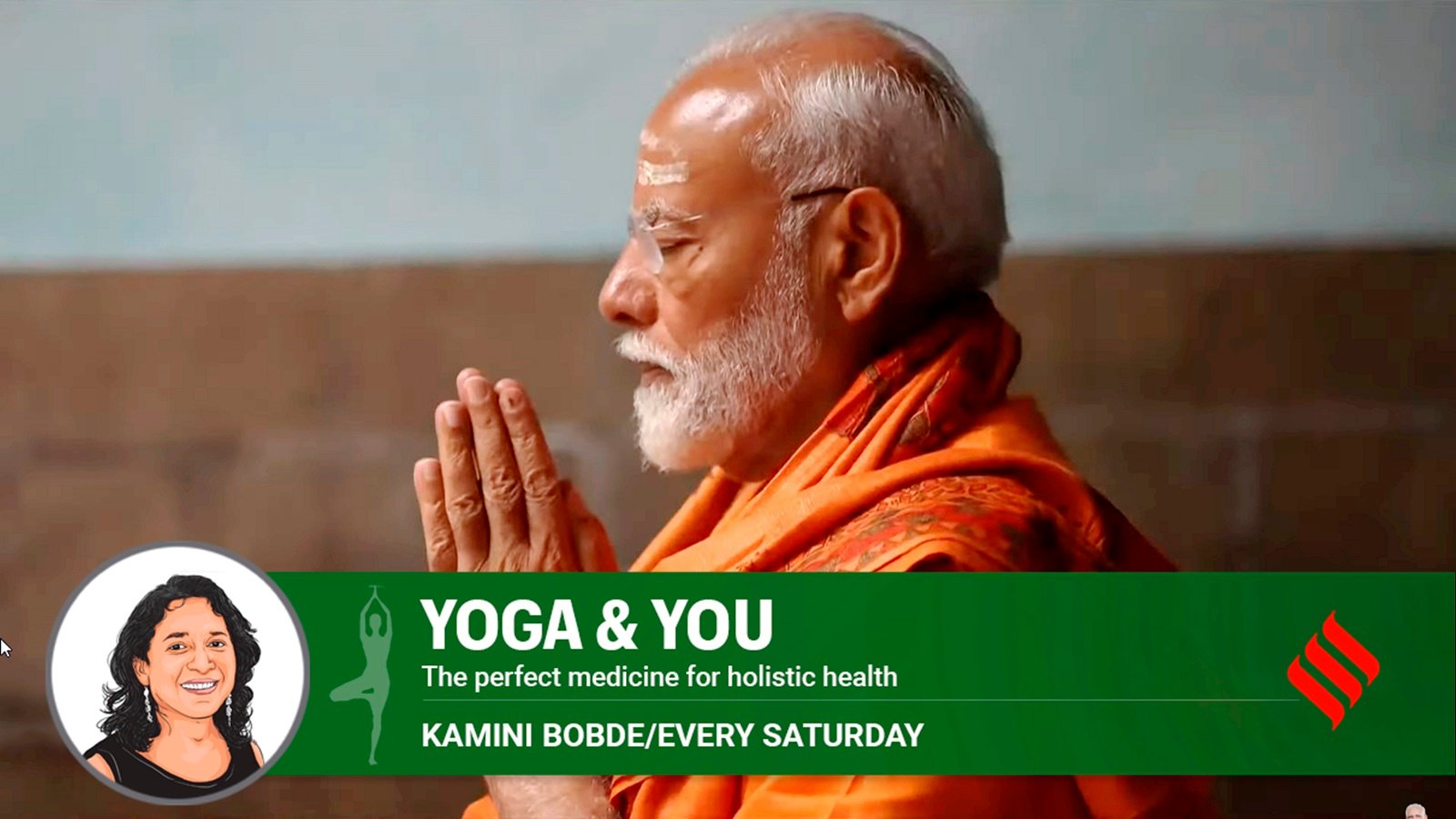
Meditation is the best way to disconnect from the outside world, refuel, calm the mind and rejuvenate. More and more companies are taking day-long meditation retreats to de-stress and re-center, just like Prime Minister Narendra Modi took a 45-hour getaway to Vivekananda Rock Memorial in Kanyakumari.
1. A Harvard University study found that eight weeks of meditation increased the thickness of the hippocampus, the part of the brain responsible for learning and memory, and also affected the parts of the brain that regulate emotions and self-reference.
2. The same study also found a decrease in brain cell volume in the amygdala, the center of fear, anxiety, and stress.
3. John Hopkins University found that the effect size of meditation for patients with depression, anxiety, and pain is 0.3. This is impressive considering that the effect size for antidepressants is also 0.3.
4. A Yale University study found that regular simple meditation reduces activity in the “monkey brain,” which can tire you out unnecessarily.


5. A study from the UCLA School of Medicine found that long-term meditators had better brain health as they aged than non-meditators.


6. According to a study conducted by the Stanford University School of Medicine, people who practice mindfulness meditation report reduced stress-related symptoms and an increased sense of control over their lives. For example, mindfulness meditation can reduce stress symptoms by 30 percent in people with serious illnesses.
7. Meditation increases grey matter, helping you process information, improve attention and manage emotions more efficiently.
8. Last but not least, these clinical findings of changes in brain mass, structure, and new connections were consistent with the subjective positive changes reported by study subjects.
practice
1. Sit in a meditation pose.
2. Sit upright in Gyan or Chin Mudra with your head and spine in alignment and your hands on your knees.
3. Close your eyes and relax your whole body.
4. During your meditation practice, tell yourself to be still and relaxed.
5. Throughout, your attention should be on three things: your breath, the chanting of the mantra, and the thoughts that arise.
6. The first step is to observe your breathing.
7. Concentrate on the tip of your nose and observe the cool air flowing in as it touches your nostrils and the warm air flowing out as it leaves your nostrils.
8. Now become aware of all aspects of your breathing: is it fast, irregular and rough, or is it slow, regular and subtle? Are both your nostrils equally open or is one nostril more open than the other?
9. As you chant, thoughts become less intrusive.
10. Imagine your breath moving along the hollow of your spine.
11. When you inhale, the air moves from the hollow of your throat down along your spinal cord to your navel.
12. As you exhale, the breath rises from your navel to the hollow of your throat.
13. As you progress, you can slowly extend your breath from the center of your eyebrows down to your tailbone.
It sounds simple, but you should know that sitting still is not easy, nor is watching your breath. Therefore, start with some easy asanas and pranayamas so that you can sit for long periods without feeling any physical discomfort, back pain, numbness in your limbs, etc.
© Indian Express Ltd.
First uploaded: January 6, 2024, 7:40 AM
